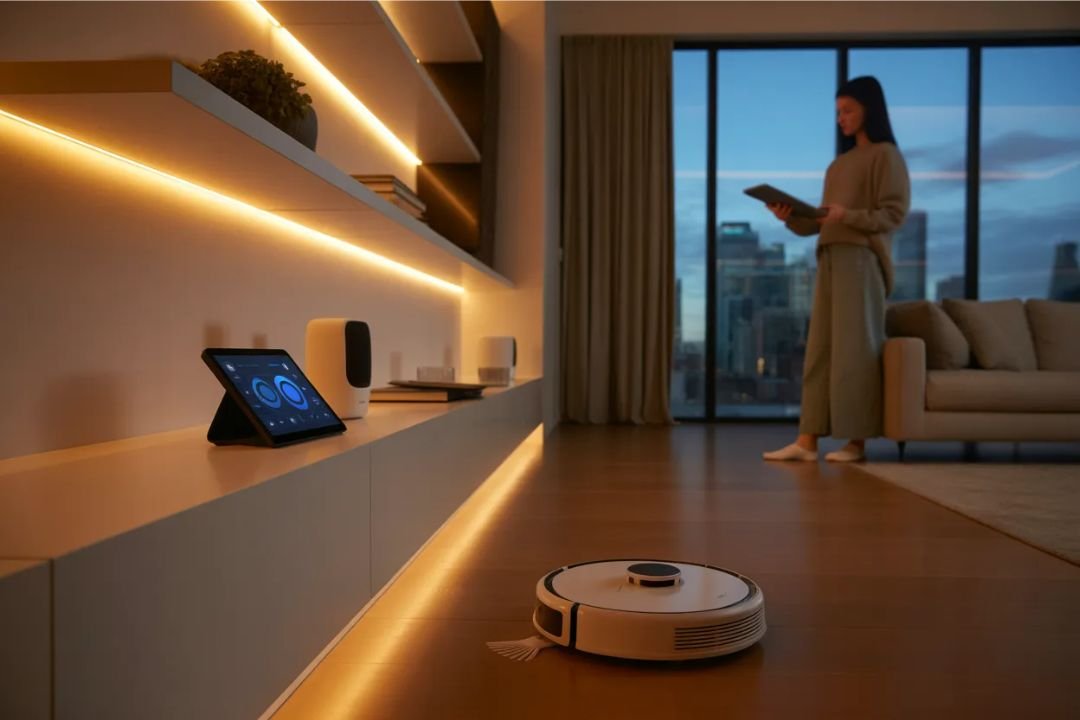
The future of smart living is here, and AI-powered gadgets are at the heart of it. In 2026, homes, workplaces, and personal devices are becoming smarter, more connected, and capable of anticipating our needs. From intelligent home assistants to wearable devices, AI technology is transforming daily life, making it more convenient, efficient, and enjoyable.
This article explores how AI gadgets are shaping the future of smart living and improving the way we live, work, and interact with technology.
🔹 1. AI-Powered Smart Home Assistants
AI assistants are becoming central to home automation, managing routines and simplifying tasks.
Key Features:
- Voice, gesture, and emotion recognition for seamless interaction
- Predictive suggestions for schedules, reminders, and household management
- Integration with smart appliances, lighting, and climate control
- Personalized recommendations for entertainment, shopping, and wellness
Impact: Reduces workload, enhances convenience, and creates a fully responsive home environment.
🔹 2. Smart Home Appliances
AI is transforming traditional appliances into intelligent, adaptive devices.
Key Devices:
- Refrigerators that track inventory and suggest recipes
- AI ovens and coffee machines that automatically adjust settings
- Smart washing machines and dishwashers that optimize water and energy use
- Robotic vacuums and lawn mowers with adaptive cleaning patterns
Impact: Saves time, reduces waste, and improves household efficiency.
🔹 3. Wearable AI Gadgets
Wearables are no longer limited to fitness tracking—they are personal assistants on the go.
Key Features:
- Smartwatches monitoring health metrics like heart rate, sleep, and stress
- AI earbuds providing real-time language translation and notifications
- AR glasses offering navigation, productivity tools, and immersive media
- Smart rings for notifications, payments, and gesture control
Impact: Enhances health, productivity, and communication seamlessly.
🔹 4. AI-Enhanced Entertainment Devices
Entertainment systems are becoming intelligent and personalized.
Key Features:
- Smart TVs with AI content recommendations
- Multi-room audio systems adjusting sound based on room and activity
- VR/AR-enabled gaming and immersive media experiences
- AI-driven home theaters optimizing visuals and sound automatically
Impact: Provides personalized, immersive entertainment experiences.
🔹 5. AI for Health & Wellness
AI gadgets are revolutionizing personal health management.
Key Features:
- AI wearables monitoring vitals and offering actionable insights
- Smart mirrors and sensors for fitness tracking and posture correction
- Meditation and mindfulness apps providing personalized recommendations
- AI-assisted meal planning and nutrition tracking
Impact: Encourages healthier lifestyles, proactive health management, and mental well-being.
🔹 6. Smart Home Security with AI
Safety is a key component of smart living, with AI enhancing home security.
Key Devices:
- AI cameras with facial recognition and motion detection
- Smart locks and doorbells with remote access
- Real-time alerts and automated emergency responses
- Integration with AI assistants for predictive monitoring
Impact: Protects homes, prevents unauthorized access, and provides peace of mind.
🔹 7. Connected Work & Productivity Gadgets
AI devices are reshaping how we work and manage tasks in the smart home.
Key Features:
- AI-powered project management tools and smart notebooks
- Virtual assistants scheduling meetings, reminders, and email management
- VR/AR devices for immersive collaboration and training
- Smart desktops and devices that adapt to user behavior
Impact: Boosts efficiency, reduces stress, and enhances remote work capabilities.
🔹 8. AI-Driven Energy and Resource Management
Smart homes of 2026 focus on sustainability and efficiency.
Key Features:
- AI-controlled lighting, heating, and cooling systems
- Real-time monitoring of energy and water consumption
- Smart appliances optimizing resource usage automatically
- Integration with renewable energy sources and storage solutions
Impact: Saves money, reduces environmental impact, and promotes eco-friendly living.
🔹 9. Robotics in Smart Living
Robotic gadgets are increasingly part of AI-powered homes.
Key Features:
- Household robots assisting with cleaning, cooking, and organization
- Elderly care robots providing support and companionship
- Delivery and service robots integrated into smart homes
- AI-enabled drones for home surveillance and deliveries
Impact: Reduces manual effort, improves safety, and enhances quality of life.
🔹 10. Future Trends in AI Gadgets for Smart Living
The coming years will bring even more intelligent and adaptive AI gadgets.
Expected Innovations:
- Predictive AI systems anticipating needs before users request
- Fully autonomous smart homes managing tasks, energy, and security
- Brain-computer interface (BCI) integration for direct thought-based control
- Seamless ecosystems connecting wearables, home devices, and vehicles
Impact: Makes daily life more automated, efficient, and personalized than ever.
🔹 Conclusion
The future of smart living in 2026 is powered by AI gadgets that simplify daily routines, enhance productivity, improve health, and make life more convenient. From AI assistants and wearable devices to smart appliances and home robotics, technology is turning homes into intelligent, responsive environments.
Pro Tip: Start by integrating AI-powered assistants and smart appliances, then expand to wearables and home robotics. Gradually, your home can evolve into a fully connected, smart ecosystem that anticipates your needs and makes life easier every day.