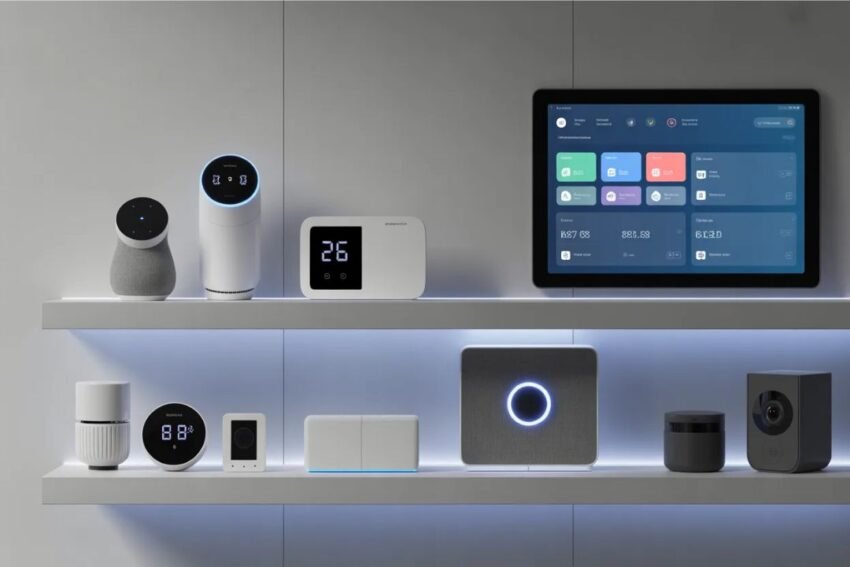
Smart home technology is revolutionizing the way we live. In 2026, smart home devices and automation systems are more advanced, affordable, and accessible than ever before. From controlling lights with your voice to managing home security remotely, automation is making life easier, safer, and more efficient.
This guide will help you understand how to transform your home into a fully automated living space using the latest smart devices.
What is Smart Home Automation?
Smart home automation refers to using connected devices that can be controlled remotely through smartphones, tablets, or voice assistants. These devices communicate with each other to automate everyday tasks.
For example:
- Lights that turn on automatically when you enter a room
- Thermostats that adjust temperature based on your routine
- Security cameras that send alerts to your phone
Benefits of Smart Home Devices
Convenience
Control your home from anywhere using a mobile app or voice commands.
Energy Efficiency
Smart devices help reduce energy consumption by optimizing usage.
Enhanced Security
Monitor your home in real-time with cameras, smart locks, and alarms.
Comfort and Lifestyle
Create personalized settings for lighting, temperature, and entertainment.
Essential Smart Home Devices
Smart Speakers and Voice Assistants
Devices like voice assistants act as the central hub of your smart home. You can control other devices using voice commands.
Smart Lighting Systems
Automated lighting allows you to schedule lights or control them remotely.
Smart Thermostats
These devices learn your preferences and adjust temperature automatically to save energy.
Smart Security Systems
Includes cameras, motion detectors, and smart locks to keep your home safe.
Smart Plugs
Turn regular appliances into smart devices by controlling them remotely.
How to Set Up a Smart Home
Choose a Smart Ecosystem
Select a platform like Google, Amazon, or Apple to connect your devices.
Start Small
Begin with basic devices like smart bulbs or plugs, then expand gradually.
Ensure Strong Wi-Fi
A stable internet connection is essential for smooth automation.
Use a Central Hub
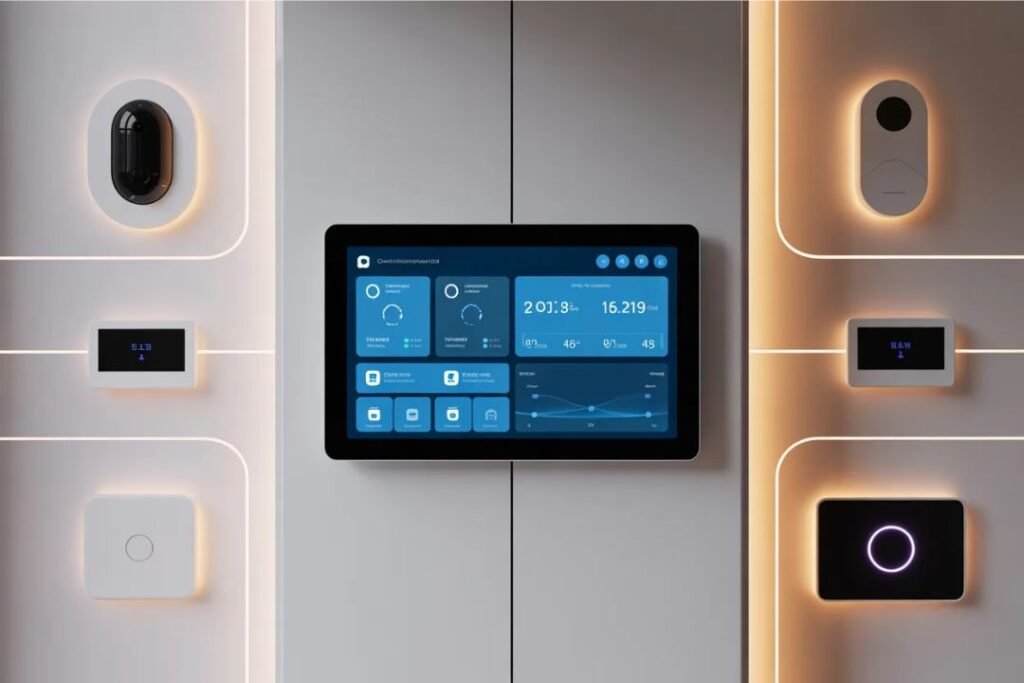
A smart hub can help connect and manage all your devices in one place.
Smart Home Automation Ideas
- Schedule lights to turn on at sunset
- Automate your coffee maker in the morning
- Set security alerts when you leave home
- Control curtains and blinds automatically
- Sync entertainment systems with voice commands
Smart Home Security Tips
- Use strong passwords for all devices
- Enable two-factor authentication
- Keep firmware updated
- Avoid using unsecured networks
- Regularly monitor connected devices
Common Challenges in Smart Home Automation
Compatibility Issues
Not all devices work together, so choose compatible products.
Internet Dependency
Most smart devices require a stable internet connection.
Privacy Concerns
Connected devices may collect data, so review privacy settings.
Future of Smart Homes
Smart home technology is evolving rapidly. Future trends include:
- AI-powered automation
- Fully voice-controlled homes
- Advanced energy management systems
- Integration with smart cities
Conclusion
Smart home devices and automation are transforming modern living. By investing in the right technology, you can create a home that is more convenient, secure, and energy-efficient.
Start small, choose reliable devices, and gradually build a system that fits your lifestyle. The future of living is smart—and it’s already here.