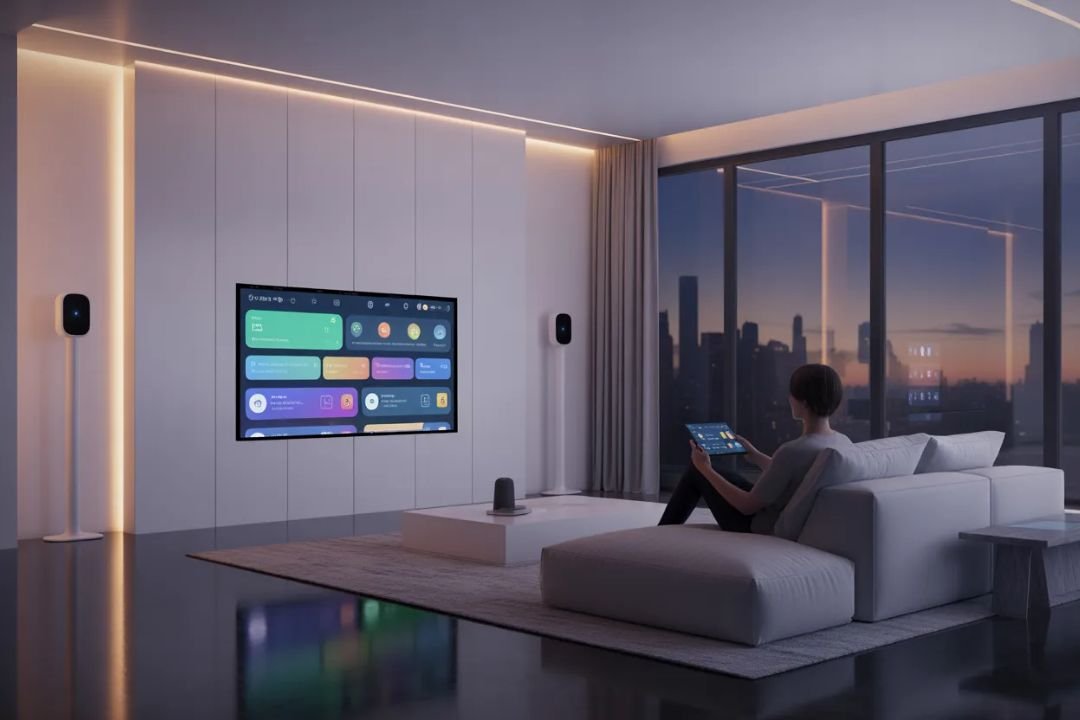
The concept of a smart home has evolved dramatically by 2026. Today, homes are no longer just living spaces—they are connected ecosystems powered by Artificial Intelligence (AI), Internet of Things (IoT), and advanced automation. From energy-efficient appliances to AI-driven assistants, smart homes offer convenience, security, and efficiency like never before.
This article explores the must-have devices for a fully connected life in 2026, highlighting their features, benefits, and how they can transform daily living.
🔹 1. AI-Powered Smart Assistants
Smart assistants are the brains of a modern smart home, managing everything from schedules to home automation.
Key Features:
- Voice, gesture, and emotion recognition
- Predictive suggestions for reminders, tasks, and entertainment
- Integration with smart appliances, lighting, and security systems
- Personalization based on user habits
Impact: Streamlines daily routines and increases efficiency throughout the home.
🔹 2. Smart Lighting Systems
Lighting has evolved into a smart, energy-efficient, and mood-enhancing feature.
Key Features:
- AI-controlled brightness, color, and schedules
- Motion-sensor and adaptive lighting for safety and convenience
- Integration with voice assistants and smart hubs
- Energy consumption monitoring
Impact: Reduces energy costs, enhances ambiance, and improves home security.
🔹 3. Smart Thermostats and Climate Control
Modern smart thermostats adapt to your lifestyle and optimize energy usage.
Key Features:
- AI-driven temperature adjustments based on occupancy and preferences
- Remote control via mobile apps
- Integration with HVAC systems and smart home ecosystems
- Energy usage analytics for sustainability
Impact: Saves money, reduces carbon footprint, and ensures comfort year-round.
🔹 4. Smart Security Systems
Security is a top priority in 2026 smart homes.
Key Devices:
- AI-powered cameras with facial recognition and motion detection
- Smart locks and biometric entry systems
- Real-time alerts and remote monitoring
- Integration with smart assistants for automated responses
Impact: Enhances safety, prevents break-ins, and provides peace of mind.
🔹 5. Smart Appliances
Connected appliances make daily tasks simpler, faster, and more efficient.
Key Devices:
- Smart refrigerators tracking inventory and suggesting recipes
- AI-enabled ovens and coffee machines with automated settings
- Robotic vacuum cleaners and lawn mowers
- Connected washing machines and dishwashers with scheduling features
Impact: Saves time, reduces waste, and makes home management effortless.
🔹 6. Home Entertainment Systems
Smart entertainment integrates AI, streaming, and immersive experiences.
Key Devices:
- Smart TVs with AI-driven content recommendations
- Multi-room audio systems controlled by voice or mobile apps
- VR/AR home gaming and entertainment setups
- AI-assisted home theater optimization
Impact: Provides personalized, immersive entertainment and seamless media experiences.
🔹 7. Smart Health & Wellness Devices
Smart homes now monitor health and support wellness directly within living spaces.
Key Devices:
- AI-powered air purifiers and climate sensors
- Smart mirrors for fitness tracking and posture correction
- Connected sleep monitors and smart beds
- Health-integrated smart kitchens for nutrition tracking
Impact: Promotes healthier lifestyles and enhances personal well-being.
🔹 8. Smart Home Hubs & Connectivity
Centralized hubs ensure all devices communicate seamlessly.
Key Features:
- Unified control for lights, appliances, security, and entertainment
- Integration with AI assistants and IoT devices
- Remote access via smartphones or wearable devices
- Real-time monitoring of home energy and device status
Impact: Simplifies management, improves efficiency, and enhances user experience.
🔹 9. Robotics for Home Assistance
AI-powered robots are becoming common in daily household operations.
Key Devices:
- Cleaning and maintenance robots
- Robotic assistants for elderly care or companionship
- Delivery and service robots for indoor tasks
- AI-enabled kitchen helpers
Impact: Reduces manual labor, increases convenience, and improves lifestyle quality.
🔹 10. Sustainable Smart Devices
Eco-friendly technology is integral to modern smart homes.
Key Features:
- Solar-powered devices and battery storage systems
- Energy-efficient lighting and appliances
- Smart irrigation and water management systems
- Real-time monitoring for energy and resource usage
Impact: Supports sustainability, reduces utility costs, and fosters environmentally conscious living.
🔹 Conclusion
Smart homes in 2026 are connected, intelligent, and highly personalized. AI, IoT, and robotics are transforming the way we interact with our living spaces, enhancing convenience, security, energy efficiency, and entertainment.
Pro Tip: Start with a smart home hub or AI assistant, then expand to lighting, appliances, and security systems. Gradually integrating these devices creates a fully connected and automated home that saves time, reduces stress, and improves quality of life.
Smart living is no longer optional—it’s the future of everyday life.