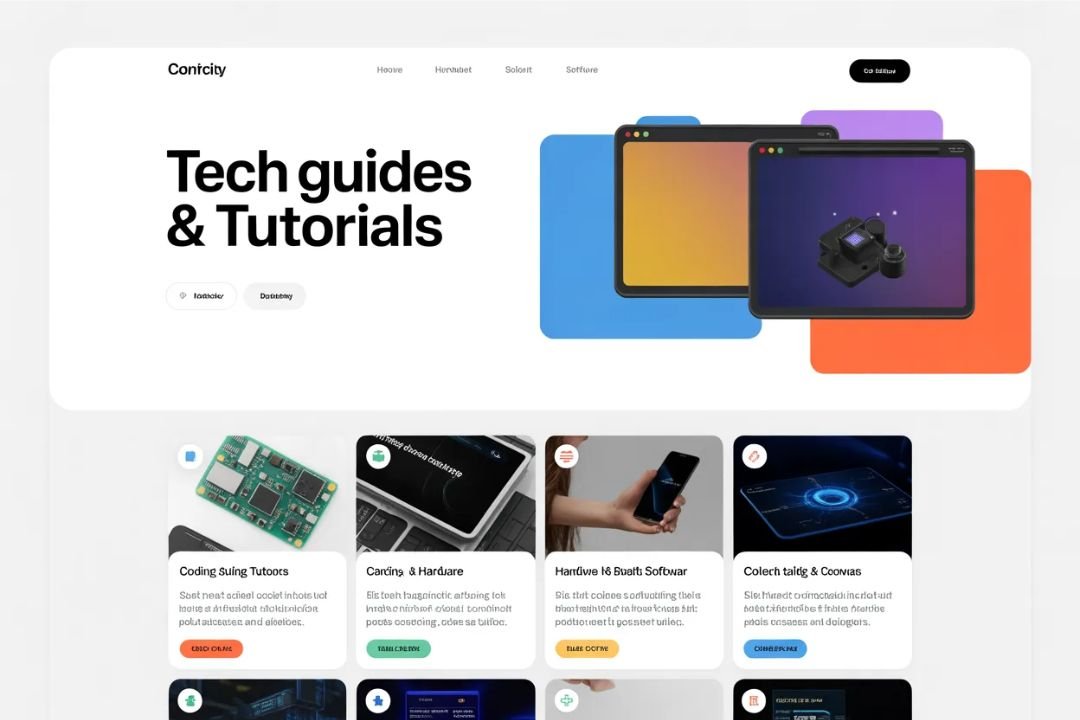
Starting a tech blog in 2026 is a powerful way to share insights, review gadgets, and establish yourself in the tech community. With AI tools, modern CMS platforms, and SEO strategies, launching a blog is easier and more effective than ever. This guide provides a step-by-step approach to starting a successful tech blog, from idea generation to monetization.
🔹 Step 1: Choose Your Tech Niche
The first step is selecting a specific area of technology to focus on.
Tips:
- Focus on emerging tech like AI, smart home devices, robotics, or wearables
- Consider sub-niches like software reviews, tech tutorials, or gadget comparisons
- Research what tech topics have growing search trends in 2026
- Align your niche with your personal expertise and passion
Impact: A well-defined niche helps attract a targeted audience and makes content creation easier.
🔹 Step 2: Select a Domain Name and Hosting
Your domain name is your online identity, and hosting ensures your blog is accessible.
Tips:
- Choose a memorable, brandable name related to tech
- Use domain extensions like .tech, .ai, or .io for relevance
- Select reliable hosting platforms like Bluehost, SiteGround, or cloud-based solutions for scalability
- Ensure fast load times, security, and 99% uptime
Impact: A strong domain and reliable hosting improve credibility and user experience.
🔹 Step 3: Choose a Blogging Platform
The right CMS platform makes content creation and management easy and efficient.
Options:
- WordPress with AI-powered content plugins
- Ghost for lightweight, fast-loading blogs
- Wix or Squarespace for drag-and-drop simplicity
- Platforms with integrated AI SEO tools to optimize content
Impact: A user-friendly platform saves time, enhances design flexibility, and supports growth.
🔹 Step 4: Design Your Blog
A professional, responsive design improves user experience and engagement.
Tips:
- Choose clean, modern themes optimized for mobile devices
- Use AI tools for automated design suggestions and layout optimization
- Include easy navigation, search, and category menus
- Prioritize fast loading and SEO-friendly structures
Impact: Good design increases reader retention, trust, and accessibility.
🔹 Step 5: Plan Content Strategy
A content strategy ensures your blog is relevant, engaging, and consistent.
Tips:
- Create content calendars using AI-driven tools for trending tech topics
- Mix content types: tutorials, product reviews, news updates, and opinion pieces
- Research keywords for SEO optimization in 2026
- Incorporate multimedia like images, infographics, and videos
Impact: Structured content planning improves engagement, search engine ranking, and audience loyalty.
🔹 Step 6: Write High-Quality, SEO-Optimized Posts
Content is the backbone of any blog, and SEO ensures visibility.
Tips:
- Use AI writing assistants to generate ideas, outlines, or first drafts
- Write in-depth, informative articles with clear headings and bullet points
- Optimize for SEO: meta titles, descriptions, alt text, and internal links
- Focus on readability with short paragraphs and visual elements
Impact: High-quality, optimized content attracts traffic and builds authority in the tech niche.
🔹 Step 7: Promote Your Tech Blog
Promotion is essential for gaining readers and building your online presence.
Tips:
- Share posts on social media platforms like LinkedIn, Twitter, Instagram, and TikTok
- Engage with tech communities, forums, and newsletters
- Use AI-powered tools to analyze audience engagement and optimize marketing
- Consider collaborations with tech influencers for wider reach
Impact: Effective promotion drives traffic, builds community, and increases credibility.
🔹 Step 8: Monetize Your Blog
Monetization turns your passion into a sustainable income source.
Options:
- Affiliate marketing for gadgets, software, and tech services
- Sponsored posts and brand collaborations
- Display ads with platforms like Google AdSense
- Premium content, courses, or newsletters for subscribers
Impact: Monetization enables you to invest in better content, tools, and growth strategies.
🔹 Step 9: Analyze and Improve
Continuous improvement ensures your blog stays competitive and relevant.
Tips:
- Use analytics tools like Google Analytics and AI-driven insights to track traffic, engagement, and conversion
- Identify top-performing posts and replicate success
- Gather audience feedback via surveys or comments
- Update old content regularly to maintain accuracy and SEO ranking
Impact: Data-driven decisions improve traffic, user experience, and revenue potential.
🔹 Step 10: Stay Updated with Tech Trends
The tech industry evolves rapidly, so keeping your blog updated is crucial.
Tips:
- Follow tech news, industry reports, and research papers
- Test new gadgets and software as they are released
- Attend virtual tech events and webinars
- Incorporate future trends like AI, IoT, and smart devices into your content
Impact: Staying current ensures your blog remains authoritative and attracts tech-savvy readers.
🔹 Conclusion
Starting a tech blog in 2026 combines strategic planning, AI tools, and creativity. By defining your niche, creating quality content, leveraging smart promotion, and continuously analyzing performance, you can build a successful and influential tech blog.
Pro Tip: Start with consistency over perfection. Use AI to streamline content creation and SEO, and gradually expand your blog into a trusted tech resource. In 2026, the future of blogging is smart, data-driven, and highly connected.