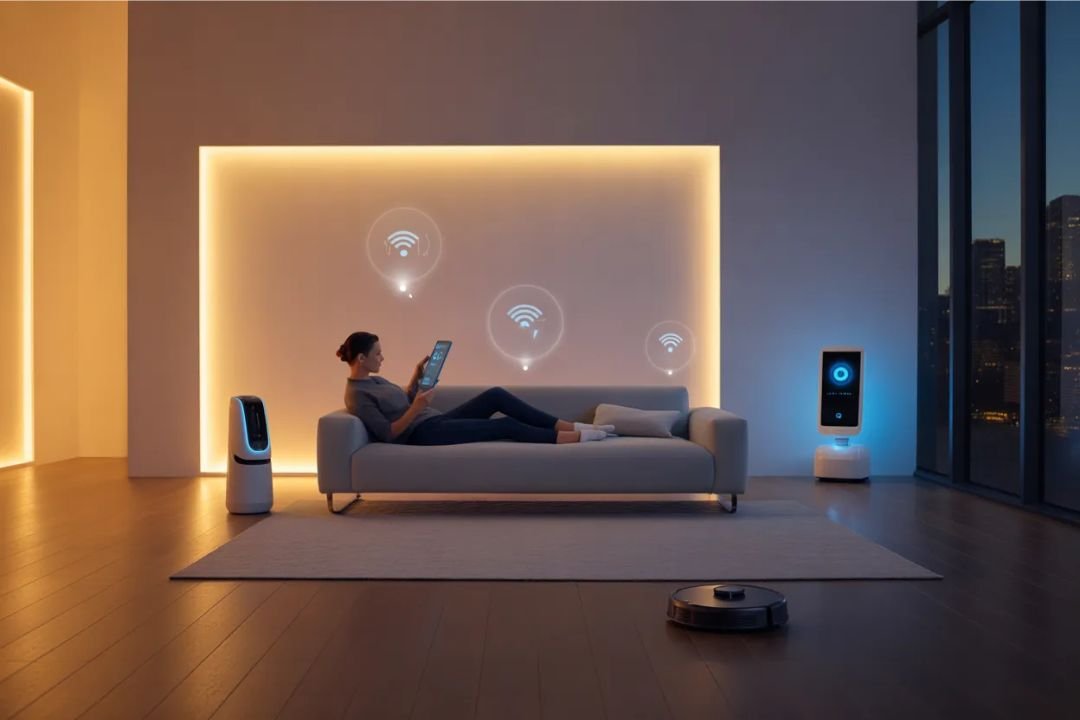
Wearable technology has evolved from simple fitness trackers to sophisticated devices that enhance health, productivity, and daily convenience. In 2026, AI-powered wearables, augmented reality (AR) glasses, and smart clothing are redefining how we interact with technology, monitor our well-being, and manage everyday tasks.
This article explores the wearable devices that are transforming daily routines, highlighting their features, applications, and impact on personal and professional life.
🔹 1. Smartwatches and Health Monitors
Smartwatches remain the cornerstone of wearable technology, offering comprehensive health monitoring and connectivity.
Key Features:
- Heart rate, oxygen saturation, and blood pressure monitoring
- Sleep tracking and stress management
- AI-powered fitness coaching and workout recommendations
- Notifications, calls, and app integration on the wrist
Impact: Keeps health on track, improves fitness habits, and enhances productivity without being intrusive.
🔹 2. AR Glasses for Daily Assistance
Augmented Reality glasses are becoming a hands-free digital companion for work, navigation, and entertainment.
Key Features:
- Real-time translation and navigation overlays
- Notifications, schedules, and reminders displayed in the user’s view
- Interactive AR apps for work, learning, and gaming
- Integration with smart home and IoT devices
Impact: Enhances productivity, learning, and convenience while keeping your hands free for tasks.
🔹 3. Smart Rings
Smart rings are compact wearables offering advanced functionality with minimal footprint.
Key Features:
- Health tracking including heart rate, temperature, and sleep patterns
- Contactless payments and authentication
- Gesture controls for devices and apps
- Notifications and reminders with discreet vibration alerts
Impact: Offers discreet monitoring and connectivity for users who prefer minimal wearable devices.
🔹 4. Fitness & Posture Wearables
Specialized wearables help improve fitness, posture, and overall physical well-being.
Key Features:
- Posture-correcting wearable devices
- AI-powered feedback for running, cycling, and strength training
- Smart clothing with embedded sensors to track muscle activity
- Recovery and injury prevention monitoring
Impact: Enhances physical health, reduces injury risk, and optimizes workouts.
🔹 5. Smart Earbuds and Audio Devices
Wearable audio devices are becoming multipurpose personal assistants.
Key Features:
- Noise cancellation and adaptive sound environments
- AI-powered real-time language translation
- Integration with virtual assistants for hands-free control
- Health monitoring features like heart rate sensors
Impact: Combines entertainment, communication, and health monitoring in a single wearable device.
🔹 6. Smart Clothing & Textiles
Clothing is evolving into a wearable technology platform for fitness, comfort, and safety.
Key Features:
- Temperature-regulating fabrics for climate control
- Embedded sensors for movement, heart rate, and posture
- Haptic feedback for notifications and immersive experiences
- Washable and flexible electronic textiles
Impact: Integrates technology into daily life seamlessly while enhancing comfort and health.
🔹 7. Sleep and Relaxation Wearables
Wearables are helping users optimize sleep and manage stress.
Key Features:
- Sleep cycle monitoring and AI-driven recommendations
- Stress and mood tracking
- Smart vibration or sound-based sleep aids
- Integration with smart home lighting and climate systems
Impact: Improves sleep quality, reduces stress, and boosts overall well-being.
🔹 8. Wearables for Productivity and Work
Professional wearables enhance efficiency and connectivity throughout the workday.
Key Features:
- Notifications, calendar, and task management on smartwatches or AR glasses
- Gesture-based controls for devices and presentations
- Remote collaboration tools integrated into wearables
- AI-driven reminders and workflow optimization
Impact: Keeps users organized, connected, and efficient without being tethered to screens.
🔹 9. Safety and Emergency Wearables
Wearables are increasingly focused on personal safety and emergency response.
Key Features:
- Fall detection and automated emergency alerts
- GPS tracking for outdoor activities and children
- Wearable panic buttons for quick help
- Integration with medical devices and health monitoring systems
Impact: Provides security and peace of mind for everyday life, outdoor activities, and elderly care.
🔹 10. Future Trends in Wearable Technology
The future of wearables in 2026 includes more seamless, intelligent, and multifunctional devices.
Expected Innovations:
- AI-integrated wearables providing predictive health insights
- Brain-computer interface (BCI) devices for direct thought-based control
- Fully integrated wearable ecosystems combining health, productivity, and entertainment
- Flexible, lightweight, and fashion-forward devices
Impact: Wearables will become essential for health, work, and lifestyle management, seamlessly integrated into daily routines.
🔹 Conclusion
Wearable technology in 2026 is transforming daily routines by combining health monitoring, productivity, entertainment, and safety into compact, intelligent devices. From smartwatches and AR glasses to wearable clothing and safety devices, these tools make life more convenient, connected, and personalized.
Pro Tip: Start with a wearable that aligns with your lifestyle—like a smartwatch for health tracking or AR glasses for productivity—and gradually expand into a full ecosystem. By 2026, wearables will not just complement your life—they will enhance every aspect of it.