Introduction
Money tracking is an important habit that helps people understand how they earn, spend, and save their money. In everyday life, small expenses can quickly add up and affect a monthly budget. Without proper financial monitoring, it can become difficult to identify where the money goes. Money tracking provides a clear picture of personal finances and encourages better spending decisions. By making this practice part of a daily routine, anyone can work toward greater financial stability and peace of mind.
1. What Is Money Tracking?
Money tracking is the process of recording and reviewing all financial activities, including income, expenses, savings, and payments. It helps individuals understand how their money moves throughout the day, week, or month. This practice can be managed through a notebook, spreadsheet, budgeting software, or mobile application. The main purpose is to maintain a clear record of financial transactions. When people know where their money goes, they can make informed decisions and develop healthier financial habits. Money tracking is useful for students, employees, families, freelancers, and business owners who want better control over their finances.
2. Why Money Tracking Matters
Understanding personal finances is essential for making responsible financial decisions. Money tracking helps people recognize unnecessary spending and focus on their most important needs. It also reduces the confusion that can occur when several bills and payments are due at different times. By reviewing financial records regularly, individuals can identify spending patterns and make adjustments when necessary. This process encourages accountability and helps prevent money from being wasted on unplanned purchases. Over time, consistent money tracking can improve financial awareness and make everyday money management easier.
3. Benefits of Tracking Your Expenses
One of the biggest benefits of tracking expenses is gaining a better understanding of spending behavior. People often underestimate how much they spend on snacks, transportation, subscriptions, and online shopping. Recording these purchases reveals their actual financial impact. Once unnecessary expenses become visible, it is easier to decide which costs can be reduced. Expense tracking also helps people prepare for upcoming bills and avoid spending more than they can afford. These small improvements can create meaningful financial progress and help individuals use their income more effectively.
4. How to Start Money Tracking
Starting a money tracking routine does not require advanced financial knowledge or expensive tools. The first step is to record all sources of income and list regular expenses, such as rent, groceries, utilities, and transportation. Next, write down every purchase, regardless of its size. At the end of each day, review the records to make sure nothing has been missed. After a week or month, compare total income with total expenses to understand the financial situation. Beginning with a simple method makes the process less stressful and easier to maintain over time.
5. Choosing the Right Money Tracking Method
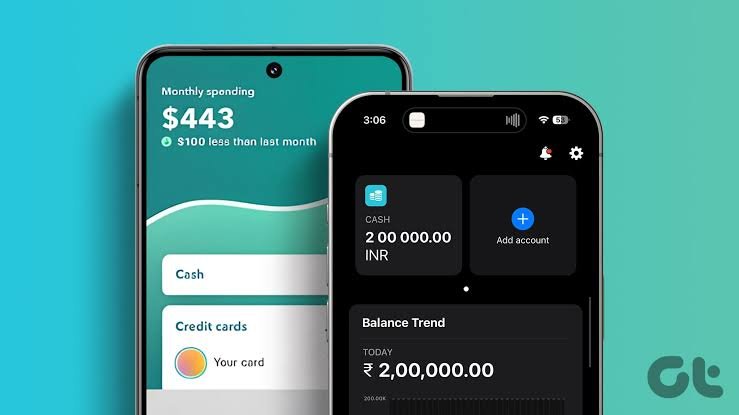
Different people prefer different ways of organizing their finances. Some find a traditional notebook useful because it allows them to write down transactions without digital distractions. Others prefer spreadsheets because they can calculate totals and organize expenses into categories. Mobile applications may offer automatic transaction imports, reminders, and spending reports, depending on the service and account settings. The best method is the one that fits a person’s lifestyle, comfort level, and financial needs. It is also important to consider privacy and security when using digital tools. A simple, consistent system is generally more helpful than a complicated one that is rarely used.
6. Creating a Monthly Budget
A monthly budget works well alongside money tracking because it gives every part of an income a purpose. Begin by calculating the total amount of money expected during the month. Then divide expenses into categories such as housing, food, transportation, healthcare, savings, and entertainment. Set realistic limits based on actual needs and previous spending records. During the month, compare recorded expenses with the budget to identify areas that need attention. A budget should remain flexible enough to accommodate unexpected costs. Regular reviews help people stay organized without feeling that every purchase is a restriction.
7. Money Tracking for Saving Goals
Saving becomes easier when people understand how much money they can comfortably set aside. Money tracking helps identify opportunities to save by revealing unnecessary or repetitive expenses. For example, someone may discover that unused subscriptions or frequent takeaway meals are reducing their ability to save. The money recovered from these expenses can be directed toward a specific goal, such as education, travel, home improvements, or an emergency fund. Setting a clear target and reviewing progress each month can provide motivation. Although savings may grow slowly at first, consistent contributions can make a meaningful difference over time.
8. Avoiding Common Money Tracking Mistakes
One common mistake is forgetting to record small purchases because they seem unimportant. However, these transactions can become a significant part of monthly spending. Another problem is recording expenses for only a few days and then abandoning the habit. Some people also create unrealistic budgets that are difficult to follow in everyday life. To avoid these issues, record transactions as soon as possible and review them regularly. Use simple expense categories and adjust spending limits when circumstances change. Being consistent is more important than maintaining a perfect record from the beginning.
9. Using Technology for Money Tracking
Technology has made money tracking more convenient for people who prefer digital financial management. Budgeting applications and spreadsheets can organize transactions, calculate totals, and display spending patterns in easy-to-understand formats. Depending on the tool, users may also receive payment reminders or notifications when they approach a budget limit. These features can reduce manual work and help people stay aware of their financial position. However, users should select reliable services, protect their accounts with strong passwords, and understand what financial information an application collects. Technology can support good financial habits, but regular review and thoughtful decisions remain essential.
10. Money Tracking for Families
Money tracking can help families coordinate their financial responsibilities and prepare for shared expenses. Household costs such as groceries, electricity, education, rent, and transportation can be recorded in one organized system. Family members can discuss spending priorities and agree on realistic limits for different categories. This approach makes it easier to plan for school fees, medical expenses, holidays, and future savings. It can also reduce misunderstandings about shared financial responsibilities. When family members communicate openly and review their budget together, they can make more informed decisions and work toward common financial goals.
11. Building Better Financial Habits
Money tracking is not only about recording numbers; it is also about developing a responsible relationship with money. Reviewing expenses regularly encourages people to think carefully before making purchases. Instead of buying something immediately, they can consider whether it fits their needs and financial priorities. Over time, this habit may reduce impulsive spending and improve planning. It is helpful to choose a regular time each week to review income, expenses, bills, and savings. Celebrating small improvements can also make the process more rewarding. Consistency, patience, and realistic expectations are the foundations of long-term financial progress.
12. The Long-Term Value of Money Tracking
The long-term value of money tracking comes from the knowledge it provides about financial behavior. After several months, records can reveal seasonal expenses, recurring bills, changing needs, and opportunities to improve savings. This information can support better decisions about major purchases, debt repayment, and future financial goals. It also helps people prepare for unexpected situations by showing whether their current spending leaves enough room for emergencies. Although money tracking cannot guarantee financial success, it provides a practical foundation for planning and discipline. With regular use, it can help individuals feel more confident and organized when managing their money.
Conclusion
Money tracking is a practical way to understand personal finances and make smarter financial choices. By recording income, monitoring expenses, and reviewing spending habits, people can identify areas for improvement. A suitable tracking method and a realistic budget can make financial management easier and more organized. Small changes in daily spending can gradually support savings and future goals. The key is to remain consistent, learn from past transactions, and adjust plans when necessary. With patience and regular effort, money tracking can become a valuable lifelong habit.
Frequently Asked Questions (FAQs)
1. What is the main purpose of money tracking?
The main purpose of money tracking is to understand how money is earned, spent, and saved. It helps people monitor expenses, control unnecessary purchases, plan budgets, and make informed financial decisions.
2. How often should I track my money?
Ideally, record transactions daily and review your overall financial activity at least once a week. A monthly review can help you compare spending with your budget, evaluate savings progress, and plan for upcoming expenses.
3. Which tool is best for money tracking?
The best tool depends on your preferences and needs. A notebook is suitable for simple manual tracking, a spreadsheet is useful for calculations and customization, and a budgeting application may provide automated features. Choose a method that is easy to use consistently and offers suitable privacy protections.