Introduction
An emergency fund is an essential part of managing personal finances wisely. It provides financial support when unexpected expenses arise in everyday life. Medical bills, job loss, car repairs, and urgent home expenses can affect anyone. Having savings set aside for emergencies helps reduce financial stress and uncertainty. Building an emergency fund is a simple step toward a more secure financial future
1. What Is an Emergency Fund?
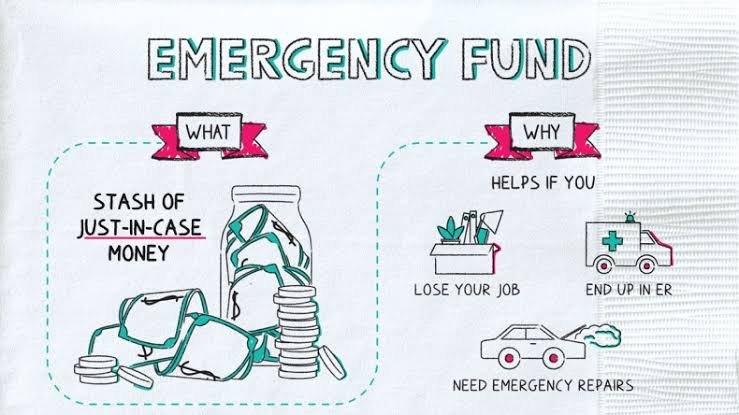
An emergency fund is money saved specifically for unexpected expenses or financial difficulties. It acts as a safety net when life takes an unexpected turn. Instead of borrowing money or using credit cards, you can rely on your savings to manage urgent costs. This fund is separate from the money you use for regular household expenses, shopping, and entertainment.
The main purpose of an emergency fund is to provide financial stability during difficult situations. For example, if you lose your job or face an unexpected medical bill, your savings can help cover essential expenses. Having this financial backup allows you to make decisions calmly without feeling pressured to borrow money immediately.
2. Why Is an Emergency Fund Important?
An emergency fund is important because unexpected expenses can occur at any time. Even people with stable jobs and regular incomes may experience financial challenges. Without savings, a sudden expense can disturb the monthly budget and create unnecessary stress. Preparing in advance makes it easier to handle these situations.
Another benefit is that an emergency fund can protect you from unnecessary debt. When people do not have savings, they may depend on credit cards, personal loans, or money borrowed from friends and family. These options can create additional financial pressure. Emergency savings provide an alternative and help you maintain greater control over your money.
3. How Much Money Should You Save in an Emergency Fund?
The ideal size of an emergency fund depends on your income, monthly expenses, family responsibilities, and financial situation. A common recommendation is to save enough to cover three to six months of essential living expenses. This amount can help you manage your basic needs if your income suddenly stops or an unexpected financial problem occurs.
For example, if your essential monthly expenses are $1,000, you could aim to save between $3,000 and $6,000 over time. However, you do not need to reach this target immediately. Start with a smaller amount that fits your budget, then increase your savings gradually as your financial situation improves.
4. How to Start Building an Emergency Fund
Starting an emergency fund does not require a large amount of money. The first step is to review your monthly income and expenses to understand how much you can comfortably save. Even a small contribution each month can help you develop a consistent savings habit. The important thing is to begin and remain committed to your goal.
You can make the process easier by setting a specific savings target and transferring money into your emergency fund whenever you receive your income. For instance, you might begin by saving a fixed amount each week or setting aside a small percentage of your salary. As your savings grow, you can gradually increase your contributions without putting too much pressure on your everyday budget.
5. Best Places to Keep an Emergency Fund
An emergency fund should be kept somewhere safe and easy to access when needed. A regular savings account can be a practical choice because it keeps your emergency money separate from your daily spending funds. Depending on your country and financial institution, you may also find savings accounts that offer interest while allowing convenient withdrawals.
It is generally better to avoid keeping your entire emergency fund in investments that can lose value or take time to sell. Stocks, cryptocurrency, and other volatile assets may not be suitable for money you could need urgently. The main priorities are safety, accessibility, and keeping the funds available for genuine emergencies rather than pursuing high investment returns.
6. Emergency Fund vs. Regular Savings
An emergency fund and regular savings may seem similar, but they serve different purposes. An emergency fund is designed for unexpected financial problems, while regular savings are often used for planned expenses and personal goals. These goals might include buying a new phone, planning a holiday, purchasing furniture, or paying for a course.
Keeping these two types of savings separate helps prevent confusion and unnecessary spending. When you know that your emergency money is reserved for urgent situations, you are less likely to use it for nonessential purchases. This separation also makes it easier to track your progress toward both short-term goals and long-term financial security.
7. Common Mistakes to Avoid When Saving an Emergency Fund
One common mistake is waiting until you earn more money before starting to save. Many people believe they cannot build an emergency fund unless they have a high income. In reality, beginning with small, affordable contributions can help establish a useful financial habit. Waiting too long may leave you unprepared when an unexpected expense appears.
Another mistake is using emergency savings for routine purchases or keeping the money somewhere difficult to access. It is also unwise to set an unrealistic savings target that makes your monthly budget difficult to manage. Choose a reasonable goal, review it regularly, and use the fund only when a genuine financial need arises.
8. Tips for Maintaining Your Emergency Fund
Maintaining an emergency fund requires consistency and occasional financial reviews. Check your savings balance regularly and consider increasing your contributions when your income rises or your expenses decrease. Automating transfers to a separate savings account can make the process easier because you do not have to remember to save manually every month.
If you use part of your emergency fund, make rebuilding it a priority once your financial situation becomes stable again. Review your essential expenses whenever your circumstances change, such as moving to a new home, starting a family, or changing jobs. These adjustments help ensure that your emergency savings remain suitable for your current needs.
9. Emergency Fund for Students and Young Adults
Students and young adults can benefit from an emergency fund even if they have limited income. Unexpected expenses such as transportation problems, educational supplies, medical costs, or temporary changes in family support can affect their financial stability. A small savings reserve can help them manage these challenges without depending entirely on others.
The best approach is to begin with an achievable goal and save whenever money becomes available. Students may set aside part of their allowance, part-time earnings, or money received as gifts. Developing this habit early can improve financial awareness and encourage responsible money management throughout adulthood.
10. Emergency Fund for Families
Families often face a wider range of financial responsibilities, including rent, groceries, utility bills, education, healthcare, and childcare. When an unexpected expense occurs, these responsibilities can make it difficult to adjust the household budget. An emergency fund provides a financial cushion that can help families continue meeting essential needs during challenging periods.
Families should calculate their emergency savings target based on necessary household expenses rather than their total income alone. They can also discuss savings goals together and agree on which situations qualify as emergencies. This shared understanding helps everyone appreciate the purpose of the fund and encourages responsible financial decisions.
11. How to Save for an Emergency Fund on a Low Income
Saving on a low income can be challenging, especially when most earnings are already committed to essential expenses. However, an emergency fund can still be built gradually by identifying affordable ways to save. Reviewing subscriptions, reducing unnecessary spending, planning meals, and comparing prices may reveal small amounts that can be redirected toward savings.
It is important to avoid comparing your progress with someone who earns more money. Your savings plan should reflect your actual financial circumstances and essential needs. Even a modest emergency fund can provide some protection against unexpected costs. Focus on consistency, celebrate small milestones, and increase your savings whenever your budget allows.
12. When Should You Use Your Emergency Fund?
An emergency fund should be used for unexpected expenses that are necessary, urgent, and difficult to cover through your regular budget. Examples include essential medical treatment, urgent car repairs needed for work, necessary home repairs, or basic living expenses following an unexpected job loss. These situations are precisely why the fund exists.
Before withdrawing money, consider whether the expense is truly urgent and whether it can reasonably be postponed. Planned holidays, luxury purchases, and routine shopping generally should not be paid for with emergency savings. If you need to use the fund, withdraw only what is necessary and create a plan to replenish the money when possible.
Conclusion
An emergency fund is a valuable tool for building long-term financial stability and peace of mind. It helps you manage unexpected expenses without relying heavily on loans or credit cards. Starting small and saving consistently can make your financial goals more achievable. Keeping your emergency savings separate and accessible helps protect them for genuine needs. By building and maintaining an emergency fund, you can prepare for uncertainty with greater confidence.
Frequently Asked Questions (FAQs)
1. What is the main purpose of an emergency fund?
The main purpose of an emergency fund is to cover unexpected expenses and provide financial support during difficult situations. It can help pay for urgent medical bills, essential repairs, or basic living costs during a period of unemployment.
2. How much should I save in my emergency fund?
A common goal is to save three to six months of essential living expenses. However, the right amount depends on your income, job stability, family responsibilities, and personal circumstances. You can start with a smaller target and increase it gradually.
3. Can I build an emergency fund with a small income?
Yes, you can build an emergency fund with a small income by saving manageable amounts consistently. Review your budget, reduce unnecessary expenses where possible, and set aside money whenever you receive your income. Small contributions can grow into a useful financial safety net over time.