Introduction
Financial awareness is an important part of living a stable and stress-free life.
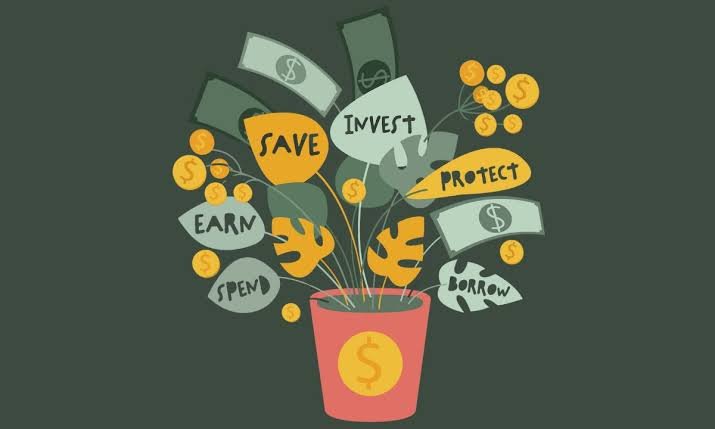
It helps people understand how to earn, save, spend, and manage their money.
With proper financial knowledge, individuals can make better decisions about their income and expenses.
It also encourages smart budgeting, responsible spending, and long-term financial planning.
Learning about financial awareness is the first step toward building a secure financial future.
1. Understanding Financial Awareness
Financial awareness means understanding how money works in everyday life.
It includes knowing how to manage income, control expenses, and build savings.
People with financial awareness usually think carefully before making financial decisions.
They understand the importance of balancing their needs and wants.
This knowledge helps them avoid unnecessary spending and financial difficulties.
It also allows them to recognize opportunities to improve their financial situation.
Learning basic money management skills can benefit people of every age.
Developing financial awareness creates a strong foundation for better budgeting habits.
2. The Importance of Budget Planning
Budget planning helps people organize their money according to their needs and goals.
A budget shows how much money comes in and how much goes out.
It makes it easier to identify unnecessary expenses and control spending.
People can create daily, weekly, or monthly budgets based on their income.
A personal budget also helps individuals prepare for future financial responsibilities.
Families can use household budgets to manage bills, groceries, education, and savings.
Regular budget reviews help people understand whether their spending habits are effective.
Good budget planning supports financial stability and reduces money-related stress.
3. Effective Money Management
Money management involves making sensible decisions about earning, spending, and saving.
It helps people use their financial resources in a more organized way.
Tracking income and expenses is an effective starting point.
People should prioritize essential costs such as housing, food, and utilities.
They can then allocate money toward savings and personal goals.
Avoiding unnecessary purchases can help prevent financial pressure.
Consistent money management also makes debt repayment easier to organize.
Over time, these habits can improve financial security and confidence.
4. Expense Tracking and Spending Control
Expense tracking allows individuals to understand where their money goes.
Small purchases may seem harmless but can become expensive over time.
Recording daily expenses helps reveal patterns in personal spending.
People can use notebooks, spreadsheets, or budgeting apps to track their costs.
Once spending patterns become clear, it is easier to identify areas for improvement.
Spending control means making thoughtful choices instead of buying things impulsively.
Comparing prices and planning purchases can also reduce unnecessary costs.
These simple practices help people maintain a balanced budget.
5. Building a Strong Savings Plan
A savings plan helps people prepare for future needs and unexpected situations.
Saving money regularly can make financial challenges easier to handle.
Individuals should choose realistic savings goals according to their income.
Even a small amount saved consistently can make a difference over time.
An emergency fund is especially useful for unexpected medical bills or urgent repairs.
People can also save for education, travel, a home, or retirement.
Keeping savings separate from everyday spending can improve financial discipline.
A practical savings strategy supports long-term financial security.
6. Income Management and Financial Goals
Income management means using available earnings carefully and purposefully.
People should understand their total income before deciding how to spend it.
Those with irregular earnings may benefit from planning around their lowest expected income.
Financial goals provide direction for saving and spending decisions.
Short-term goals may include paying bills or purchasing essential items.
Long-term goals can involve buying property or preparing for retirement.
Breaking large goals into smaller steps makes them easier to achieve.
Clear financial goals encourage consistent budgeting and responsible money habits.
7. Understanding Cash Flow
Cash flow refers to the movement of money into and out of a person’s finances.
Income represents money received, while expenses represent money paid out.
Positive cash flow occurs when income exceeds expenses over a given period.
Negative cash flow happens when spending is greater than available income.
Monitoring cash flow helps people identify financial problems before they grow.
It also supports better planning for bills, savings, and other responsibilities.
Businesses use cash flow management to cover operating costs and maintain stability.
Understanding cash flow is essential for effective financial planning.
8. Reducing Expenses and Managing Debt
Reducing expenses can help individuals create more room in their budgets.
Reviewing subscriptions and unnecessary purchases is a useful first step.
People can also save by comparing service prices and planning meals.
Debt management is equally important for maintaining financial health.
High-interest debts can become difficult to repay when left unchecked.
Creating a repayment plan helps organize payments according to available income.
Paying bills on time may also help avoid additional charges.
Responsible spending and debt management can improve long-term financial stability.
9. Using Budgeting Tools and Templates
Budgeting tools make financial planning easier and more organized.
A simple spreadsheet can record income, expenses, and savings.
Budget templates provide a structure for dividing money into different categories.
Budget calculators can help estimate spending limits and savings targets.
Mobile budgeting apps may offer reminders and automatic expense tracking.
These tools can help users compare their planned spending with actual expenses.
However, people should choose tools that suit their needs and comfort levels.
The most effective budgeting system is one that is easy to maintain consistently.
10. Smart Spending and Financial Discipline
Smart spending means making purchases that match personal needs and priorities.
It involves comparing options instead of choosing the first available product.
Financial discipline helps people follow their budgets even when tempting offers appear.
Creating a shopping list can prevent unplanned purchases.
Waiting before buying expensive items can also reduce impulsive decisions.
People should distinguish between essential expenses and optional purchases.
Responsible spending leaves more money available for savings and important goals.
Over time, these habits encourage greater financial independence.
11. Financial Literacy and Better Decisions
Financial literacy is the ability to understand basic financial concepts and apply them.
It includes learning about budgeting, interest, borrowing, saving, and investing.
This knowledge helps people evaluate financial choices more carefully.
Understanding loan terms can prevent costly borrowing mistakes.
Learning about interest rates helps borrowers compare available options.
Financial literacy also encourages people to question unrealistic financial promises.
Reliable information can help individuals make decisions suited to their circumstances.
Improving financial knowledge supports greater confidence in everyday money management.
12. Long-Term Financial Planning and Security
Long-term financial planning prepares people for future responsibilities and life changes.
It may include retirement savings, education costs, and major purchases.
A realistic financial strategy should reflect personal income and changing needs.
People should review their plans whenever their circumstances change.
Building savings gradually can help create a stronger financial foundation.
Managing debt responsibly may also protect future financial opportunities.
Maintaining an emergency fund provides additional support during unexpected events.
Consistent planning can help people work toward greater financial security and peace of mind.
Conclusion
Financial awareness helps people understand their money and make informed financial decisions.
It encourages effective budgeting, sensible spending, regular saving, and responsible debt management.
By tracking expenses and setting realistic financial goals, individuals can improve their money habits.
Small changes made consistently can lead to meaningful improvements in financial stability.
Ultimately, financial awareness empowers people to build a more secure and confident future.
Frequently Asked Questions (FAQs)
1. What is financial awareness?
Financial awareness is the understanding of how to manage income, expenses, savings, and debt. It helps people make informed financial decisions and plan for future needs.
2. Why is financial awareness important for budgeting?
Financial awareness helps people identify unnecessary expenses, set spending limits, and prioritize savings. These practices make budgeting more effective and help reduce financial stress.
3. How can someone improve financial awareness?
People can improve financial awareness by tracking their expenses, creating a monthly budget, learning basic financial concepts, setting savings goals, and reviewing their financial progress regularly.