Money skills are some of the most important life skills a person can develop. Whether you are a student earning your first paycheck, a parent managing household expenses, or a professional planning for the future, knowing how to manage money can make everyday life easier and more secure.
Many people believe that financial success depends only on earning a high income. In reality, earning money is just one part of the picture. What you do with your money matters just as much. Strong money skills can help you control spending, build savings, manage debt, prepare for emergencies, and work toward long-term financial goals.
The good news is that money skills are not something you have to be born with. They can be learned and improved over time through simple habits and consistent practice.
What Are Money Skills?
Money skills are the practical abilities that help you make smart decisions about your finances. These skills include budgeting, saving, spending wisely, understanding debt, setting financial goals, and planning for the future.
Good money skills allow you to understand where your money comes from and where it goes. They also help you avoid unnecessary financial stress and make decisions based on your priorities rather than short-term emotions.
For example, someone with strong money skills may compare prices before making a purchase, keep track of monthly expenses, maintain an emergency fund, and regularly review their financial goals.
Why Are Money Skills Important?
Money affects almost every part of modern life. Rent or mortgage payments, groceries, transportation, education, insurance, entertainment, and unexpected expenses all require financial decisions.
Without basic money skills, it can be easy to spend more than you earn or rely too heavily on credit. Small financial mistakes can sometimes become larger problems when they continue for months or years.
Developing money skills can help you:
- Create a realistic budget
- Control unnecessary spending
- Build an emergency fund
- Reduce financial stress
- Manage debt responsibly
- Save for important goals
- Prepare for retirement
- Make informed financial decisions
Financial knowledge also gives you greater confidence. Instead of avoiding financial decisions because they seem complicated, you can approach them with a clearer understanding of your options.
1. Learn How to Create a Budget
Budgeting is one of the most basic and useful money skills. A budget gives your income a purpose by showing how much money you receive and how much you spend.
Start by listing your regular sources of income. Then write down your monthly expenses, including housing, food, transportation, utilities, subscriptions, debt payments, and personal spending.
It is helpful to separate expenses into needs and wants. Needs are essential costs, while wants are things that make life more enjoyable but may not be necessary.
A good budget does not mean you cannot enjoy your money. Instead, it helps you spend intentionally while making sure important financial responsibilities are covered first.
2. Develop Smart Spending Habits
Smart spending is another important money skill. Before buying something, ask yourself whether the purchase is necessary, useful, and affordable.
One simple strategy is to avoid making major purchases immediately. Give yourself time to compare prices and consider whether you really need the item.
You can also review recurring expenses. Subscriptions, memberships, delivery services, and other automatic payments may seem inexpensive individually, but together they can take a significant amount from your monthly income.
Smart spending is not about never spending money. It is about making sure your spending reflects your priorities.
3. Build a Regular Saving Habit
Saving money becomes easier when it becomes a routine rather than something you do only when extra money is available.
Even a small amount saved consistently can create a useful financial cushion. Consider setting a specific savings goal and contributing to it regularly.
An emergency fund is particularly important. It can help cover unexpected costs such as car repairs, urgent household expenses, or temporary income disruptions.
The ideal amount for an emergency fund depends on your personal situation, income, expenses, and responsibilities. The important first step is simply to begin saving.
4. Understand Your Income and Expenses
Knowing your income is important, but understanding your expenses is equally valuable.
Some expenses remain relatively stable each month, while others change. For example, rent may stay the same while grocery bills, entertainment, and transportation costs can vary.
Tracking expenses for a few months can reveal patterns that are easy to miss. You may discover that small purchases are consuming more of your budget than expected.
Once you understand these patterns, you can make adjustments without completely changing your lifestyle.
5. Learn Responsible Debt Management
Debt can be useful in certain situations, but it needs to be managed carefully. Understanding interest rates, minimum payments, repayment periods, and fees is an important money skill.
Before taking on new debt, consider whether the payment fits comfortably within your budget. Avoid focusing only on the monthly payment; also consider the total amount you will pay over time.
If you already have debt, creating a repayment strategy can help. Some people prefer paying the smallest balance first for motivation, while others focus on higher-interest debt first to potentially reduce interest costs.
The right approach depends on your circumstances, but understanding the numbers should always come first.
6. Set Clear Financial Goals
Money skills become more useful when they are connected to specific goals.
Instead of simply saying, “I want to save more money,” create a measurable goal. For example, you might decide to save a certain amount for an emergency fund, education, a home, travel, or another important purpose.
Divide larger goals into smaller monthly or weekly targets. Smaller steps can make a large financial objective feel more manageable.
It is also useful to review your goals regularly because your income, expenses, and priorities can change.
7. Understand Basic Investing
Investing is another money skill worth learning, especially for long-term financial planning. However, investing always involves risk, and different investments have different levels of risk and potential return.
Before investing, learn basic concepts such as diversification, fees, time horizon, and risk tolerance. Avoid making financial decisions simply because someone promises quick or guaranteed profits.
Long-term investing generally requires patience and research. If you are unsure about an investment decision, consider getting advice from a qualified financial professional who understands your individual circumstances.
8. Improve Your Financial Literacy
Financial literacy means having the knowledge needed to understand and manage financial decisions.
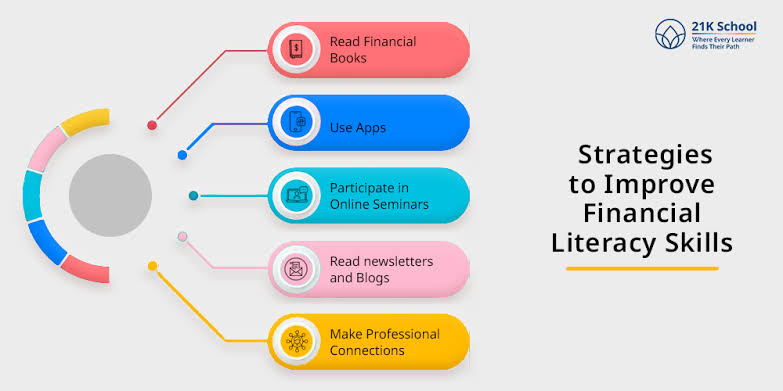
You can improve financial literacy by learning about budgeting, banking, credit, taxes, insurance, investing, and retirement planning.
You do not need to become a financial expert overnight. Learning one concept at a time can gradually build your confidence.
When researching financial topics, use reliable sources and be careful with online claims that promise fast wealth or guaranteed returns.
9. Review Your Finances Regularly
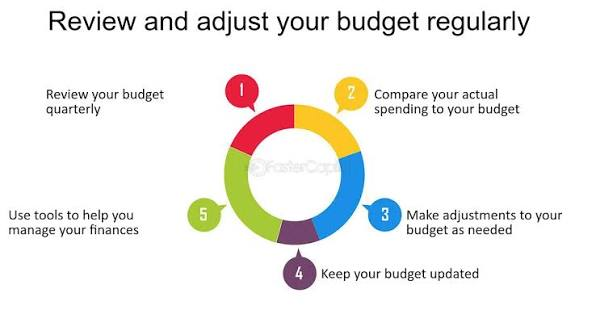
Money management should not be a one-time activity. Your financial situation can change as your income, expenses, family responsibilities, and goals change.
Set aside some time each month to review your budget and financial progress. Check your spending, savings, debt balances, and upcoming expenses.
A regular financial review can help you identify problems early and make adjustments before they become serious.
How to Improve Money Skills Step by Step
Improving money skills does not require a complicated system. Start with a few simple actions:
- Track your income and expenses.
- Create a monthly budget.
- Separate needs from wants.
- Set a realistic savings goal.
- Build an emergency fund.
- Review your debt and interest rates.
- Avoid unnecessary purchases.
- Learn basic financial concepts.
- Set short-term and long-term goals.
- Review your financial progress every month.
Consistency is more important than perfection. You may make mistakes along the way, but each mistake can become an opportunity to learn.
Common Money Mistakes to Avoid
Some financial mistakes are surprisingly common. Spending without tracking expenses, ignoring bills, making impulse purchases, and relying heavily on credit can create unnecessary pressure.
Another mistake is failing to plan for unexpected expenses. Without savings, even a relatively small emergency can become difficult to manage.
It is also important not to compare your financial life with other people. Social media often shows the expensive parts of people’s lives without showing their debts, financial obligations, or struggles. Focus on your own income, goals, and priorities.
FAQs About Money Skills
1. What are money skills?
Money skills are the practical abilities needed to manage money effectively. They include budgeting, saving, spending wisely, managing debt, setting financial goals, and making informed financial decisions.
2. Why are money skills important?
Money skills are important because they can help you control your expenses, avoid unnecessary debt, build savings, and prepare for future financial needs. Good financial habits can also reduce money-related stress.
3. How can I improve my money skills?
You can improve your money skills by tracking your expenses, creating a monthly budget, saving regularly, learning about credit and debt, and setting realistic financial goals.
4. What is the most important money skill?
Budgeting is one of the most important money skills because it helps you understand your income and expenses. However, saving, responsible spending, debt management, and financial planning are also essential.
5. How can I develop better spending habits?
Start by separating needs from wants and reviewing your purchases before spending. Comparing prices, avoiding impulse purchases, and tracking your monthly expenses can also help you develop better spending habits.
6. How much money should I save?
There is no single savings amount that works for everyone. Your ideal savings target depends on your income, expenses, financial responsibilities, and goals. Starting with a small, consistent amount can help you build the habit.
7. Are money skills useful for young adults?
Yes. Learning money skills early can help young adults develop responsible financial habits. Understanding budgeting, saving, credit, debt, and financial planning can make it easier to manage money as responsibilities increase.
8. Can good money skills improve financial security?
Yes. Good money skills can help you make thoughtful financial decisions, build savings, manage debt, and prepare for unexpected expenses. Over time, these habits can contribute to greater financial stability.
Final Thoughts
Strong money skills can improve more than your bank balance. They can provide confidence, flexibility, and greater control over your financial future.
The most important skills include budgeting, saving, smart spending, responsible debt management, goal setting, financial literacy, and long-term planning. You do not have to master everything immediately. Start with one habit, practice it consistently, and gradually build from there.
Remember that financial progress is usually a long-term process. Small decisions made regularly can have a meaningful impact over time. By developing better money skills today, you can create a stronger foundation for tomorrow and make financial decisions with greater confidence and purpose.