Managing money can feel difficult, especially when expenses continue to rise and financial goals seem far away. The good news is that you do not need to be a financial expert to improve your financial situation. A few practical habits, combined with consistent planning, can make a meaningful difference over time.
Whether you are a student, employee, parent, freelancer, or business owner, learning basic personal finance can help you make better decisions. In this guide, we will explore practical finance tips that can help you control your spending, increase your savings, manage debt, and work toward a more secure financial future.
What Are Finance Tips?
Finance tips are practical strategies that help people manage their money more effectively. They can include budgeting, saving, investing, reducing unnecessary expenses, managing debt, and preparing for unexpected financial situations.
Good financial habits are not about avoiding every purchase or living an extremely restrictive lifestyle. Instead, they are about understanding where your money goes and making choices that support your priorities.
The earlier you develop these habits, the easier it can become to reach important financial goals.
1. Create a Realistic Budget
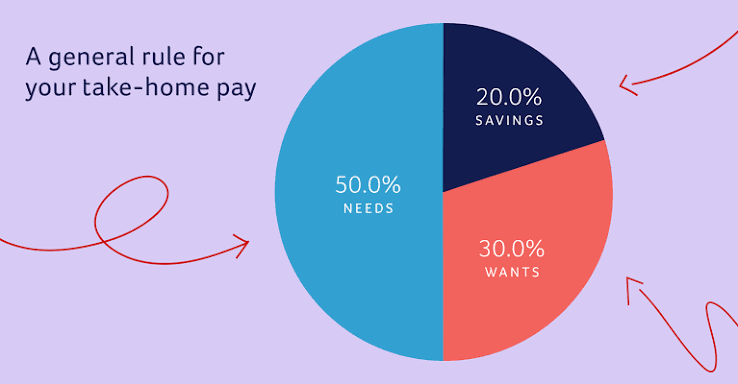
One of the most important finance tips is to create a budget. A budget gives you a clear picture of your income and expenses and helps you decide how your money should be used.
Start by calculating your monthly income. Then list your regular expenses, such as:
- Rent or mortgage
- Utilities
- Groceries
- Transportation
- Insurance
- Debt payments
- Entertainment
- Subscriptions
- Personal expenses
After listing everything, compare your total expenses with your income. If you are spending more than you earn, look for areas where you can reduce unnecessary costs.
Your budget should be realistic. If you make it too restrictive, you may find it difficult to follow consistently.
2. Track Your Spending
Creating a budget is only the first step. You should also track your actual spending.
Small purchases can easily add up. A coffee here, a restaurant meal there, and several unused subscriptions may seem insignificant individually, but together they can consume a substantial portion of your monthly income.
You can track spending with a spreadsheet, budgeting application, notebook, or banking tools. The method does not matter as much as consistency.
At the end of each month, review your spending and identify patterns. This can help you discover where your money is going and where adjustments may be useful.
3. Build an Emergency Fund
Unexpected expenses can happen at any time. A medical bill, car repair, job loss, or urgent home expense can create financial stress if you do not have savings available.
An emergency fund is money set aside specifically for unexpected needs.
If you are starting from zero, do not worry about building a large fund immediately. Begin with a small amount and gradually increase it. Over time, you can work toward having enough savings to cover several months of essential expenses.
Keep emergency savings somewhere accessible but separate from your everyday spending account. This can reduce the temptation to use the money for non-emergency purchases.
4. Be Careful With Credit Cards
Credit cards can be useful when managed responsibly, but they can also become expensive when balances are carried from month to month.
One of the best finance tips for credit card users is to understand the interest rate, fees, minimum payment, and due date associated with each card.
Whenever possible, pay your balance on time and avoid spending more than you can reasonably repay.
If you already have credit card debt, consider creating a repayment strategy. Paying more than the minimum amount can help reduce the balance faster and potentially lower the amount of interest paid over time.
5. Reduce Unnecessary Expenses
Saving money does not always require major lifestyle changes. Sometimes, small adjustments can create meaningful savings.
Review your recurring expenses and ask yourself whether each one is necessary. For example, you may discover subscriptions that you rarely use or services that have become more expensive.
You can also compare prices before making larger purchases, prepare more meals at home, reduce impulse shopping, and look for better deals on services you regularly use.
The goal is not to remove everything enjoyable from your life. Instead, focus on spending money intentionally.
6. Make Saving Automatic
Saving becomes easier when you do not have to remember to do it every month.
If your bank allows automatic transfers, consider setting up a recurring transfer from your checking account to a savings account after receiving your income.
Even a small amount can help establish a consistent saving habit. As your income increases, you can gradually increase the amount you save.
Automation can also help prevent the common habit of spending your entire paycheck first and trying to save whatever remains.
7. Set Clear Financial Goals
Saving without a specific goal can sometimes feel difficult. Instead, give your money a purpose.
Your goals might include:
- Building an emergency fund
- Paying off debt
- Buying a home
- Starting a business
- Saving for education
- Taking a vacation
- Preparing for retirement
Make your goals specific and measurable. Instead of saying, “I want to save more money,” decide how much you want to save and when you want to reach that target.
Clear goals can make financial decisions easier because you have a reason behind your saving and spending choices.
8. Learn the Basics of Investing
Saving is important, but long-term financial planning may also involve investing. Investing means putting money into assets with the expectation that they may increase in value or generate income over time.
Common investment categories include stocks, bonds, mutual funds, and exchange-traded funds.
However, investing always involves some level of risk. Different investments have different levels of potential return and volatility. Before investing, learn how the investment works and consider your financial goals, time horizon, and ability to tolerate losses.
Beginners should avoid making investment decisions based solely on social media trends or promises of guaranteed profits.
9. Pay Attention to Your Credit Score
Your credit history can affect your ability to qualify for loans and other financial products. In some situations, it can also influence the terms you receive.
To maintain healthy credit habits, make payments on time, monitor your credit reports, and avoid taking on more debt than you can comfortably manage.
You should also review your credit information periodically and check for inaccurate or unfamiliar activity.
Good credit is generally built through consistent financial behavior rather than quick fixes.
10. Plan for Retirement
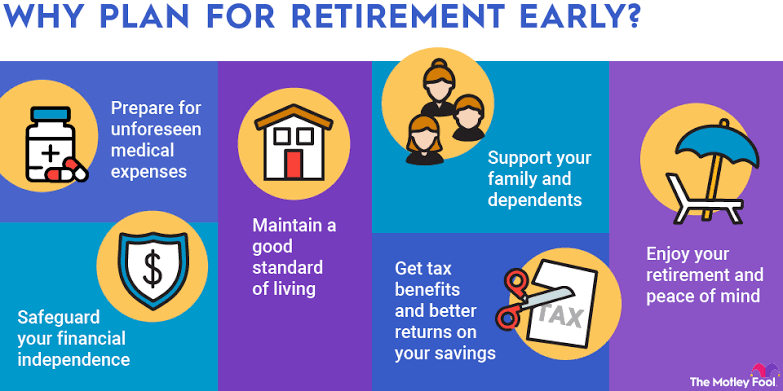
Retirement may seem far away, especially when you are young, but starting early can give your savings more time to grow.
If your employer offers a retirement plan, learn how it works and understand whether the employer provides any contribution or matching arrangement.
Even if retirement is decades away, regularly setting aside money can make a significant difference over time.
Review your retirement strategy periodically as your income, expenses, family situation, and financial goals change.
11. Increase Your Financial Knowledge
One of the most valuable finance tips is to keep learning.
You do not need to become an expert in economics or investment analysis. Understanding basic concepts such as interest, inflation, taxes, insurance, credit, investing, and retirement planning can help you make more informed decisions.
Use reliable educational resources and be cautious about financial advice that promises fast wealth or guaranteed returns.
When making major financial decisions, consider consulting a qualified financial professional who can evaluate your individual circumstances.
12. Avoid Lifestyle Inflation
When your income increases, it can be tempting to immediately increase your spending. This is often called lifestyle inflation.
For example, someone may receive a raise and quickly upgrade their car, move into a more expensive home, or increase spending on entertainment.
There is nothing wrong with enjoying higher income, but consider directing part of every raise or bonus toward savings, investments, or debt repayment before increasing your regular expenses.
This approach can help your financial progress keep pace with your income.
Common Financial Mistakes to Avoid
Many financial problems come from simple habits rather than one major mistake. Some common issues include spending without a budget, ignoring debt, making frequent impulse purchases, failing to maintain emergency savings, and investing in products that you do not understand.
Another common mistake is comparing your financial life with other people’s lifestyles. Social media often shows purchases and experiences without showing the debt or financial circumstances behind them.
Focus on your own goals and make decisions based on your income, responsibilities, and priorities.
Frequently Asked Questions About Finance Tips
1. What are the most important finance tips for beginners?
The most important finance tips for beginners include creating a realistic budget, tracking expenses, building an emergency fund, paying bills on time, reducing unnecessary debt, and saving regularly. Start with simple habits and improve them gradually rather than trying to change everything at once.
2. How can I start saving money every month?
Begin by reviewing your income and monthly expenses. Set a specific savings target, even if it is a small amount, and consider setting up an automatic transfer to your savings account. Reducing unnecessary subscriptions, eating out less often, and avoiding impulse purchases can also help increase your monthly savings.
3. How much money should I keep in an emergency fund?
The appropriate emergency fund depends on your income, expenses, job stability, and personal circumstances. Many financial professionals suggest working toward enough savings to cover several months of essential expenses. If that seems difficult, start with a smaller target and gradually build your savings.
4. What is the best way to manage credit card debt?
Start by making all required payments on time and avoid adding unnecessary new debt. Review the interest rates on your balances and create a repayment plan that fits your budget. Paying more than the minimum when possible can help reduce your balance and the interest you pay over time.
5. Is investing important for financial planning?
Investing can be an important part of long-term financial planning because it provides an opportunity for your money to grow over time. However, investments involve risk, and different investments have different levels of risk. Learn how an investment works and consider your goals and time horizon before investing.
6. How can I improve my credit score?
You can support healthy credit by paying bills on time, keeping credit balances manageable, avoiding unnecessary applications for new credit, and reviewing your credit reports for errors. Building strong credit usually takes consistent financial behavior over time.
7. How can I avoid unnecessary spending?
Start by tracking your purchases and identifying expenses that do not provide much value. Before making a non-essential purchase, give yourself time to consider whether you actually need it. Comparing prices, limiting impulse purchases, and reviewing recurring subscriptions can also help control spending.
8. What is the best finance tip for long-term financial success?

One of the best finance tips is to develop consistent financial habits. Create a budget, save regularly, manage debt responsibly, prepare for unexpected expenses, and continue learning about personal finance. Long-term financial success generally comes from making sensible decisions consistently rather than looking for quick ways to become wealthy.
Final Thoughts
Good money management is a long-term process rather than something that happens overnight. You do not need to make every financial decision perfectly. What matters is developing consistent habits and improving them over time.
Start by creating a realistic budget, tracking your spending, building emergency savings, managing debt responsibly, and setting clear financial goals. As your knowledge grows, you can explore investing, retirement planning, and other strategies that fit your circumstances.
The most useful finance tips are often the simplest ones: spend intentionally, save consistently, avoid unnecessary debt, learn before investing, and plan for the future. Small financial improvements made regularly can become powerful habits that support greater financial confidence and stability over the years.