
Saving money is an important part of building a secure and comfortable financial future. Whether you earn a small income or have a high-paying job, learning how to manage your money can make a major difference. Many people believe that saving requires a large amount of extra cash, but that is not always true. In reality, good saving results often come from small, consistent actions repeated over time.
The purpose of saving is not simply to keep money in a bank account. Savings can provide protection during emergencies, help you achieve personal goals, reduce financial stress, and give you more freedom when making important decisions. With a clear plan and realistic habits, almost anyone can improve their saving results.
What Are Saving Results?
Saving results are the financial improvements you achieve by regularly setting money aside and managing your expenses wisely. These results can be measured in different ways. For some people, success means reaching a specific savings target. For others, it may mean creating an emergency fund, paying off debt, or simply having enough money left at the end of every month.
For example, saving $100 every month may seem like a small achievement, but it can become $1,200 in one year. If you continue the habit and gradually increase your contributions, the results can become much more significant.
The most important part of saving is consistency. A realistic plan that you follow for several years is generally more valuable than an aggressive plan that you abandon after a few weeks.
Understand Where Your Money Goes
The first step toward better saving results is understanding your current spending habits. Before cutting expenses, take time to see exactly where your money is going.
Write down your monthly income and regular expenses. Include rent or mortgage payments, groceries, transportation, utilities, insurance, entertainment, subscriptions, shopping, and other purchases. Looking at your spending honestly can reveal areas where you may be able to save.
Small purchases can easily become large monthly expenses. A coffee here, an online purchase there, and several food deliveries may not seem expensive individually. However, when combined, they can have a noticeable effect on your budget.
You do not have to eliminate everything you enjoy. Instead, identify expenses that do not provide enough value and consider reducing or removing them.
Set Clear Savings Goals
Saving becomes easier when you have a specific reason for doing it. A goal such as “save more money” is difficult to measure. A target such as “save $2,000 for emergencies” gives you a clear destination.
Think about both short-term and long-term goals. Short-term goals might include building an emergency fund, purchasing a necessary item, or paying for a planned trip. Long-term goals could include buying a home, preparing for retirement, funding education, or creating financial independence.
Break larger goals into smaller monthly targets. If your goal is $1,200 and you have one year to reach it, saving $100 per month makes the target easier to understand.
Tracking your progress can also provide motivation. Every contribution brings you closer to your goal.
Automate Your Savings
One of the simplest ways to improve saving results is to automate your savings. Instead of waiting until the end of the month to see how much money remains, arrange for a specific amount to move into savings automatically.
Many banks allow customers to schedule recurring transfers between accounts. You can choose a date that works with your paycheck and transfer an amount that fits comfortably within your budget.
Automation reduces the need for willpower. Once the system is established, saving becomes a normal part of your financial routine.
Start with an amount you can maintain. If $50 per paycheck is manageable, begin there. Later, when your financial situation improves, you can increase the contribution.
Build an Emergency Fund
Unexpected expenses are one of the biggest reasons people struggle financially. A broken vehicle, home repair, sudden job loss, or unexpected bill can quickly create stress when there is no money available.
An emergency fund provides a financial cushion for situations that cannot easily be planned. The appropriate amount depends on your income, expenses, family responsibilities, and personal circumstances.
If building several months of expenses feels impossible, start with a smaller target. Your first goal could be $500 or $1,000. Once you reach it, continue building the fund gradually.
Keep emergency savings somewhere accessible but separate from your everyday spending money. This can make it easier to avoid using the funds for unnecessary purchases.
Reduce Unnecessary Spending
Reducing unnecessary expenses does not mean living an uncomfortable life. It means making sure your money is being used for things that matter to you.
Start by reviewing recurring payments. Look at streaming services, memberships, apps, subscriptions, and other automatic charges. If you rarely use something, canceling it can create an immediate saving.
Food expenses can also offer opportunities. Planning meals, making a grocery list, cooking at home, and reducing food waste may help lower monthly costs.
Shopping habits are another important area. Before buying something that is not essential, wait a day or two. This simple pause can help you decide whether you actually need the item or simply want it in the moment.
Create a Practical Budget
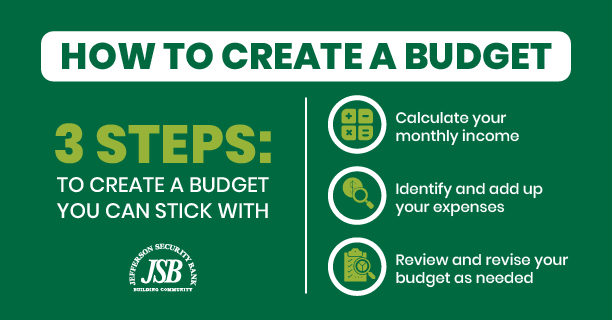
A budget is a plan for how you intend to use your money. It does not have to be complicated.
Start by identifying your monthly income and essential expenses. After covering necessities, decide how much can go toward savings, debt repayment, and personal spending.
A good budget should be realistic. If you create extremely strict rules that leave no room for entertainment or unexpected costs, maintaining the plan can become difficult.
Your budget should also change when your circumstances change. If your rent increases, your income changes, or you take on a new responsibility, review your plan and make appropriate adjustments.
Manage Debt Carefully
Debt can make saving more difficult because interest charges may consume a significant amount of money. High-interest debt, particularly unpaid credit card balances, can grow quickly.
If you have expensive debt, consider making a repayment strategy part of your financial plan. Paying more than the minimum, when affordable, can help reduce the balance faster and potentially lower the total interest paid.
However, completely ignoring savings while paying debt can leave you vulnerable to unexpected expenses. Even a small emergency fund may provide useful protection.
The right approach depends on your income, interest rates, balances, and financial priorities. If debt feels overwhelming, consider seeking advice from a qualified financial professional or reputable nonprofit credit counselor.
Save When Your Income Increases
When your income increases, it can be tempting to immediately increase your spending. A better approach is to divide some of the additional money between lifestyle improvements and financial goals.
For example, if you receive a raise, you could automatically direct part of the extra income into savings. You still benefit from earning more while improving your financial position.
The same idea can apply to bonuses, tax refunds, gifts, or other unexpected income. You do not have to save all of it. Even putting a portion toward an important financial goal can make a difference.
This habit can help prevent lifestyle inflation, where spending grows quickly whenever income rises.
Track Your Progress Regularly
Tracking your saving results can keep you motivated and help you identify problems early. Choose a simple method that works for you.
You might check your savings balance once a month, record your contributions in a spreadsheet, or use a budgeting application. The goal is not to monitor every penny forever. Instead, tracking helps you understand whether your financial habits are moving you in the right direction.
Set small milestones along the way. Celebrate reaching your first $500, $1,000, or another meaningful target. These achievements can make a long-term goal feel more manageable.
If you miss a savings target, do not assume that the entire plan has failed. Financial progress is rarely perfect. Review what happened, adjust your budget if necessary, and continue.
Make Saving a Long-Term Habit
The strongest saving results usually come from habits rather than temporary challenges. Instead of trying to save a huge amount for one month, focus on creating behaviors you can maintain.
Save a portion of every paycheck. Review your expenses regularly. Avoid unnecessary impulse purchases. Increase your savings when your income grows. These simple actions can become automatic over time.
You should also remember that saving is not about never spending money. Money should support your needs, goals, and quality of life. The purpose of saving is to create balance and give you greater control over your financial choices.
Final Thoughts
Saving results are created through patience, planning, and consistency. You do not need to become financially perfect overnight. Start by understanding your spending, setting a clear goal, creating a realistic budget, and making regular contributions to savings.
Small changes can have a powerful effect when they are repeated consistently. Reducing unnecessary expenses, automating savings, building an emergency fund, managing debt, and saving part of additional income can gradually strengthen your financial position.
Most importantly, do not wait for the perfect financial situation before you begin. Start with whatever amount is realistic for you today. As your habits improve and your circumstances change, you can increase your savings over time.
Saving money is ultimately about more than numbers. It is about preparing for unexpected situations, reaching meaningful goals, reducing financial stress, and creating more choices for the future. With a practical strategy and steady commitment, your saving efforts today can produce valuable results for many years to come.