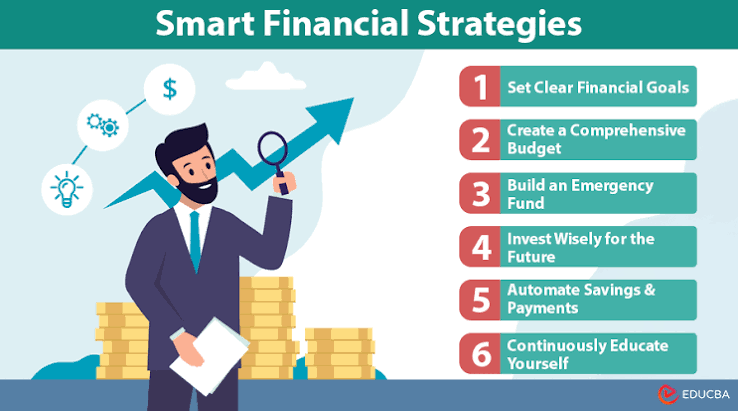
Saving money is one of the most important habits for building a stable and comfortable financial life. Whether you are earning a regular salary, running a small business, studying, or managing a family budget, good saving practices can help you prepare for both expected and unexpected expenses. Saving does not always mean making major sacrifices. In many cases, small and consistent changes in everyday spending can make a meaningful difference over time.
The key to successful saving is not simply putting money aside whenever something is left at the end of the month. Instead, effective saving practices involve planning, discipline, awareness, and setting realistic financial goals. When saving becomes a regular part of your lifestyle, it becomes easier to handle emergencies, achieve personal goals, and reduce financial stress.
What Are Saving Practices?
Saving practices are the habits and strategies people use to manage their money and set aside a portion of their income for future needs. These practices can include creating a budget, reducing unnecessary expenses, automating savings, comparing prices, avoiding impulse purchases, and maintaining an emergency fund.
Everyone has different financial circumstances, so there is no single saving method that works for everyone. A young professional may be saving for a home, while a parent may be saving for education or family emergencies. The most effective approach is to choose habits that match your income, responsibilities, and long-term goals.
1. Create a Realistic Monthly Budget
One of the best saving practices is creating a monthly budget. A budget gives you a clear picture of where your money is going and helps you identify areas where you may be spending more than necessary.
Start by listing your monthly income and regular expenses. Include housing, utilities, groceries, transportation, insurance, subscriptions, debt payments, entertainment, and other common expenses. Once everything is written down, you can determine how much money is available for saving.
A realistic budget should not be so strict that it becomes impossible to follow. Allowing some money for entertainment and personal spending can make the plan easier to maintain. The goal is to create a system that you can follow consistently.
2. Pay Yourself First
Many people make the mistake of spending their income throughout the month and saving whatever remains. Unfortunately, there may be very little left by the end of the month.
A better approach is to treat savings as an important financial responsibility. When you receive your income, set aside a specific amount before spending on nonessential items. This strategy is often called “paying yourself first.”
Even if the amount is small, consistency matters. Saving a fixed amount every payday can gradually create a strong financial habit.
3. Build an Emergency Fund
An emergency fund is an important part of responsible saving. Unexpected expenses can happen at any time, including car repairs, urgent household costs, temporary loss of income, or other unforeseen bills.
Without emergency savings, people may have to rely on credit cards or loans when unexpected costs arise. Having money available for emergencies can provide greater financial flexibility.
The ideal emergency fund depends on your personal situation, income stability, and monthly expenses. Start with a manageable target and gradually increase it as your financial position improves.
4. Track Your Everyday Spending
Small purchases can have a surprisingly large impact on your finances. A coffee here, a restaurant meal there, or several unused subscriptions may seem insignificant individually, but together they can represent a substantial amount of money.
Tracking your spending helps you understand your financial habits. You can use a notebook, spreadsheet, budgeting app, or banking tools to record purchases.
After tracking your expenses for a month, look for patterns. You may discover that you spend more on takeout than expected or that you are paying for services you rarely use. Identifying these patterns gives you an opportunity to make better decisions.
5. Reduce Unnecessary Expenses
Saving does not require eliminating everything you enjoy. Instead, focus on expenses that provide little value compared with their cost.
For example, you might cancel unused memberships, reduce unnecessary online subscriptions, cook at home more often, or compare prices before making larger purchases. Small adjustments can free up money without dramatically changing your lifestyle.
The important thing is to distinguish between needs and wants. Housing, food, utilities, transportation, and essential healthcare are generally needs, while entertainment, luxury purchases, and certain subscriptions may be wants.
6. Avoid Impulse Purchases
Impulse buying can make saving difficult. Modern shopping platforms make it incredibly easy to purchase something within minutes, especially when advertisements, discounts, and limited-time offers create a sense of urgency.
Before making a nonessential purchase, consider waiting 24 hours. For more expensive items, you may want to wait even longer. Ask yourself whether you genuinely need the item, whether you already own something similar, and whether the purchase fits your budget.
This simple habit can prevent unnecessary spending and help you become more intentional with your money.
7. Automate Your Savings
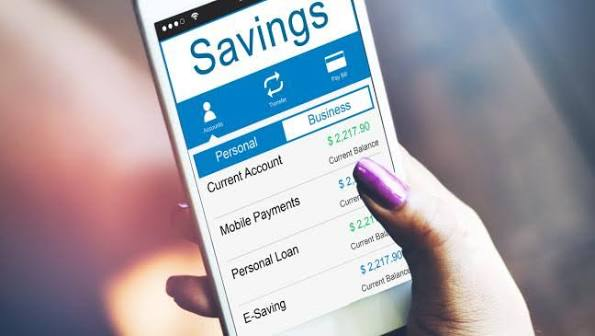
Automation is another effective saving practice because it reduces the need to rely on willpower. Many financial institutions allow customers to schedule automatic transfers from a checking account to a savings account.
For example, you could arrange for a certain amount to be transferred shortly after receiving your paycheck. Because the money moves automatically, you are less likely to spend it accidentally.
Automation can be especially helpful for people who struggle to remember regular savings contributions. Over time, these automatic deposits can turn saving into a routine rather than a decision you have to make every month.
8. Set Specific Financial Goals
Saving becomes easier when you have a clear reason for doing it. Instead of simply saying, “I want to save more money,” create specific goals.
Your goal might be building an emergency fund, purchasing a vehicle, paying for education, taking a vacation, preparing for retirement, or making a down payment on a home.
Give each goal a target amount and, when possible, a deadline. Breaking a large goal into smaller monthly or weekly targets can make it feel more achievable.
9. Shop With a Plan
Planning before shopping can help reduce unnecessary spending. Make a list before going to the grocery store and try to stick to it. Compare prices between different brands and retailers, especially for expensive items.
However, a lower price is not always the best value. Consider quality, durability, warranties, and how frequently you will use the product. Sometimes paying slightly more for a reliable item can be cheaper over the long term than repeatedly replacing a low-quality product.
10. Review Your Progress Regularly
Good saving practices require regular review. Your income, expenses, priorities, and financial goals can change over time.
Set aside some time each month to review your budget and savings. Ask yourself whether you are meeting your targets and whether there are expenses that can be reduced.
If you fall behind, do not assume that your entire financial plan has failed. Adjust your approach and continue. Financial progress is usually the result of long-term consistency rather than perfection.
The Importance of Consistency
One of the biggest lessons about saving is that consistency often matters more than the size of individual contributions. Someone who saves a manageable amount every month may make better long-term progress than someone who saves a large amount occasionally but has no regular system.
Saving is a habit that becomes easier with practice. As your financial awareness improves, you may naturally become more careful about purchases and more confident about planning for the future.
Common Saving Mistakes to Avoid

Several common mistakes can make saving more difficult. One is setting unrealistic targets that leave no room for normal living expenses. Another is failing to account for occasional expenses, such as annual insurance payments, gifts, repairs, or travel.
It is also important not to compare your financial situation with other people. Social media can create unrealistic expectations about lifestyles and spending. Focus on your own income, responsibilities, and goals instead.
Finally, avoid giving up after one difficult month. Unexpected expenses are part of life. A temporary setback does not erase the progress you have already made.
Final Thoughts
Effective saving practices are not about refusing to spend money or living an uncomfortable life. They are about making thoughtful decisions with the money you have. Creating a budget, tracking expenses, building an emergency fund, automating savings, avoiding impulse purchases, and setting clear goals can all contribute to stronger financial habits.
The most important step is simply to begin. You do not need a perfect financial plan or a large amount of money to start saving. Choose one practical habit, follow it consistently, and gradually build from there.
Over time, these small decisions can create greater financial confidence and help you prepare for future opportunities and unexpected challenges. Good saving practices are therefore not just a way to keep more money in your account—they are a foundation for greater financial control and long-term peace of mind.