Saving money can feel difficult when everyday expenses keep increasing. Bills, groceries, transportation, subscriptions, and unexpected costs can quickly use up a large part of your income. However, saving does not always require a high salary or major lifestyle changes. With the right saving strategies, even small amounts can gradually become meaningful financial progress.
The most important part of saving is creating a system that works with your lifestyle. Instead of trying to save a large amount overnight, focus on consistent habits that you can maintain for months and years. A realistic approach can help you feel more confident about your money while giving you greater control over future expenses.
What Are Saving Strategies?
Saving strategies are practical methods people use to set aside money for future needs, emergencies, personal goals, or long-term plans. These strategies can include creating a budget, reducing unnecessary expenses, automating savings, setting financial goals, and regularly reviewing spending habits.
There is no single strategy that works for everyone. Someone with a variable income may need a different approach from someone who receives the same paycheck every month. The goal is to find a method that fits your income, responsibilities, and priorities.
A good saving strategy should be simple enough to follow regularly. If a plan is too complicated or restrictive, it may become difficult to maintain.
Start With a Clear Savings Goal
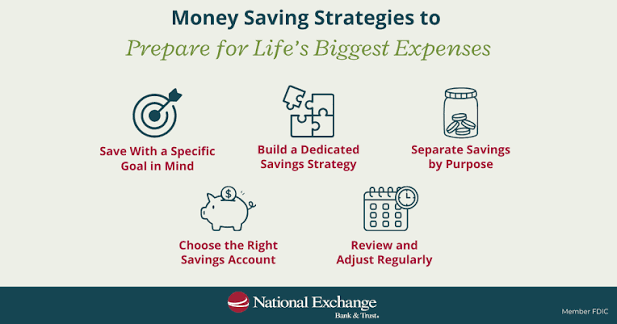
One of the easiest ways to make saving more meaningful is to give your money a purpose. Instead of simply saying, “I want to save money,” create a specific goal.
For example, you might want to save for an emergency fund, a vacation, a vehicle, education, home improvements, or a future purchase. A clear goal gives you something measurable to work toward.
Break larger goals into smaller monthly or weekly targets. If you want to save $1,200 in one year, for example, you could aim to set aside approximately $100 per month. Looking at the goal in smaller pieces can make it feel much more manageable.
Create a Realistic Budget
A budget is one of the most useful tools for understanding where your money goes. It does not have to be complicated. Start by writing down your monthly income and regular expenses.
Separate your expenses into categories such as housing, food, transportation, utilities, entertainment, subscriptions, and personal spending. Once you can see your spending clearly, it becomes easier to identify areas where you may be able to save.
A realistic budget should leave room for enjoyment. Cutting every small pleasure from your life may make a financial plan difficult to maintain. Instead, look for expenses that provide little value and consider reducing them.
Pay Yourself First
One popular approach to saving is to treat savings like a regular monthly bill. Instead of waiting until the end of the month to see what is left, set aside money soon after receiving your income.
For example, you could decide to save a fixed percentage of every paycheck. The exact amount depends on your circumstances, but consistency matters more than choosing a perfect number.
This method can help prevent the common situation where people spend most of their income and discover that there is nothing left to save.
Automate Your Savings
Automation can make saving easier because it reduces the need to remember every transfer. Many banks and financial institutions offer automatic transfers between accounts.
You could schedule a transfer shortly after your regular payday. Once the system is established, saving becomes part of your normal financial routine.
Automation is particularly useful for people who find it difficult to save manually. The money can move into a separate savings account before you have an opportunity to spend it.
Build an Emergency Fund
Unexpected expenses can happen at any time. A medical bill, car repair, home problem, or temporary loss of income can place pressure on your finances.
An emergency fund provides a financial cushion for these situations. Start with a small target if necessary. Even a few hundred dollars can provide some protection against minor emergencies.
Over time, you can work toward building a larger reserve that reflects your household expenses and personal circumstances. Keep emergency savings somewhere accessible and separate from everyday spending money.
Reduce Unnecessary Expenses
Reducing spending does not mean eliminating everything you enjoy. Instead, review your expenses and identify purchases that do not contribute much value to your life.
Look at recurring subscriptions first. Streaming services, apps, memberships, and other automatic payments can quietly add up over time.
You can also compare prices before making larger purchases, use items you already own, prepare more meals at home, and avoid unnecessary impulse purchases.
Small changes may appear insignificant individually, but repeated savings can become substantial over time.
Use the 24-Hour Rule
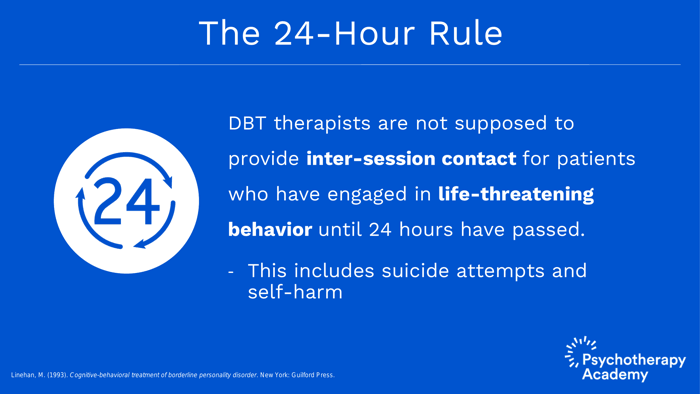
Impulse spending can make saving difficult. A simple technique is to wait before purchasing something that is not essential.
For smaller purchases, you might wait 24 hours. For expensive items, consider giving yourself several days to think about the decision.
During that time, ask yourself whether you genuinely need the item, whether it fits your budget, and whether there is a less expensive alternative.
This pause can help separate genuine needs from temporary wants.
Save Unexpected Money
Occasionally, you may receive money that was not part of your regular budget. This could include a work bonus, gift, refund, or other unexpected income.
Instead of automatically spending all of it, consider directing part of the money toward your savings goal.
You do not have to save every unexpected dollar. Allocating a portion toward savings while using the rest for something meaningful can create a balanced approach.
Try a No-Spend Challenge
A no-spend challenge can be an interesting way to become more aware of spending habits. The idea is to avoid nonessential purchases for a specific period, such as a weekend or week.
Essential expenses such as housing, utilities, food, and necessary transportation can continue as normal. The focus is on avoiding optional purchases.
The purpose is not simply to spend nothing. It is to discover how often you make purchases out of habit and identify areas where you can make different choices.
Track Your Progress
Saving becomes more motivating when you can see your progress. Choose a simple way to monitor your savings, such as a spreadsheet, budgeting app, notebook, or banking tool.
Review your progress regularly. If you are consistently meeting your target, you may eventually decide to increase your savings amount.
If you miss a goal, do not treat it as failure. Unexpected expenses and changing circumstances are part of life. Adjust the plan and continue.
Keep Savings Separate
Keeping savings in the same account used for everyday purchases can make it tempting to spend the money. A separate savings account can create a useful psychological boundary.
You can label different savings goals if your financial institution provides that option. For example, you might have categories for emergencies, travel, education, or major purchases.
Seeing progress toward individual goals can make saving feel more rewarding.
Avoid Comparing Your Finances With Others
Personal finance is different for everyone. Social media can make it appear as though other people are constantly traveling, buying new products, or enjoying expensive lifestyles.
Comparing your financial situation with someone else’s can encourage unnecessary spending.
Instead, focus on your own goals. Your saving strategy should reflect your income, responsibilities, priorities, and future plans.
Increase Savings When Your Income Grows
When your income increases, it can be tempting to increase spending immediately. A better approach may be to direct at least part of the additional income toward savings.
For example, if you receive a raise, consider increasing your regular savings contribution. This allows your lifestyle to improve while also helping your financial position become stronger.
The same idea can apply when you finish paying off a regular expense. Instead of immediately replacing that payment with another purchase, redirect some of the money toward savings.
Make Saving a Long-Term Habit
The strongest saving strategies are usually the ones you can maintain over time. Saving is not about being perfect every month. It is about developing consistent financial habits.
Start with an amount that feels realistic. As your confidence grows, you can gradually increase your target.
Remember that financial progress can take time. A small contribution made consistently can be more sustainable than an aggressive plan that becomes impossible to follow.
Final Thoughts
Effective saving strategies do not need to be complicated. Setting clear goals, creating a realistic budget, automating transfers, reducing unnecessary expenses, and building an emergency fund can provide a strong foundation for better money management.
The key is to choose strategies that fit your real life. You do not need to change everything at once. Start with one or two habits, track your progress, and make adjustments as your circumstances change.
Saving is ultimately about giving yourself more choices in the future. Whether your goal is handling unexpected expenses, making a major purchase, or simply feeling more financially prepared, consistent saving can help you move toward that goal one step at a time.