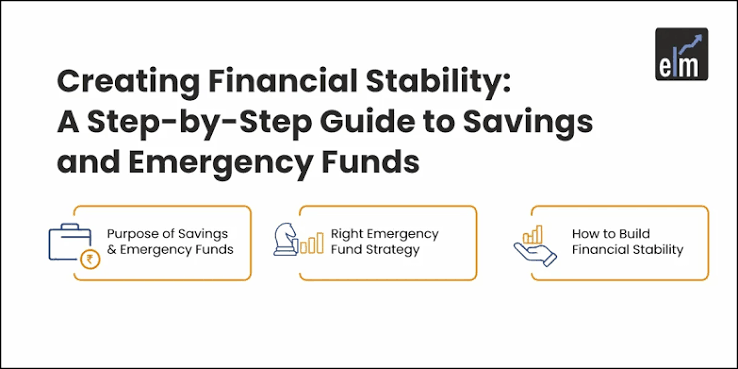
Saving money sounds simple, but actually building a healthy savings account can be challenging. Everyday expenses, unexpected bills, lifestyle choices, and rising costs can make it difficult to put money aside consistently. This is where a well-planned savings strategy can make a meaningful difference.
A savings strategy is more than simply spending less. It is a practical plan that helps you understand where your money goes, decide what you want to achieve, and create a system for saving regularly. Whether you are saving for an emergency fund, a new home, education, retirement, travel, or simply greater financial peace of mind, the right approach can help you make steady progress.
The good news is that you do not need a high income to start saving. You need realistic goals, consistency, and a system that fits your lifestyle.
What Is a Savings Strategy?
A savings strategy is a structured approach to setting aside money for specific financial goals. It typically involves reviewing your income and expenses, establishing savings targets, reducing unnecessary spending, and deciding where your savings should be kept.
Instead of saving whatever happens to be left at the end of the month, a strategy makes saving an intentional part of your financial routine.
For example, someone might decide to save $300 every month. They could divide that amount between an emergency fund, a short-term goal, and long-term investments. Another person with a smaller income might begin with $25 or $50 per month.
The exact amount matters less than developing a habit that can be maintained over time.
Why Having a Savings Strategy Matters
Without a plan, saving can easily become something you postpone until later. There is always another bill, purchase, or unexpected expense that seems more important.
A savings strategy gives your money a purpose.
One of its biggest benefits is financial security. An emergency fund can help you deal with unexpected car repairs, household expenses, temporary income loss, or other surprises without immediately relying on credit cards or loans.
Saving also provides flexibility. When you have money available for future needs, you have more choices when opportunities or challenges arise.
Most importantly, consistent saving can reduce financial stress. Knowing that you are gradually building a financial cushion can make it easier to handle uncertainty.
Start by Understanding Your Current Finances
Before creating a savings plan, take an honest look at your current financial situation.
Start by calculating your monthly take-home income. Then list your regular expenses, including housing, utilities, transportation, groceries, insurance, debt payments, subscriptions, entertainment, and other spending.
Do not forget irregular expenses. Annual insurance payments, holiday spending, vehicle maintenance, school expenses, and medical costs can affect your budget even if they do not appear every month.
Once you have this information, you can identify how much money is actually available for saving.
A simple review can reveal spending patterns that are easy to overlook. Small recurring expenses may not seem significant individually, but together they can represent a substantial amount over a year.
Set Specific Savings Goals
A strong savings strategy starts with clear goals.
Instead of saying, “I want to save more money,” create specific targets.
For example:
- Build an emergency fund of $5,000.
- Save $2,000 for a vacation.
- Set aside $10,000 toward a home purchase.
- Save $1,200 for annual insurance and vehicle expenses.
- Increase retirement contributions gradually.
Specific goals make saving easier because you can measure your progress.
It can also help to separate goals according to their time frame. Short-term goals may include upcoming purchases or annual expenses. Medium-term goals could include a car or home down payment. Long-term goals might include retirement or financial independence.
Pay Yourself First
One of the simplest ideas in personal finance is to save before spending.
Many people pay their bills and cover their everyday expenses first, then save whatever remains. Unfortunately, there may be very little left at the end of the month.
A “pay yourself first” approach reverses the order.
When your income arrives, move a predetermined amount into savings before using the remaining money for discretionary spending.
For example, if you receive $3,000 after taxes and decide to save $300, transfer the $300 immediately. Your spending plan is then built around the remaining $2,700.
This approach turns saving into a priority rather than an afterthought.
Automate Your Savings
Automation can make a savings strategy much easier to maintain.
Most banks allow customers to schedule recurring transfers between accounts. You can arrange for money to move automatically shortly after receiving your paycheck.
Automation removes the need to make the decision every month.
Even a small automatic transfer can build a significant habit. If you save $100 each month, you will have set aside $1,200 over a year before considering any interest or investment growth.
As your income increases, consider increasing the automatic transfer as well.
Build an Emergency Fund
An emergency fund should usually be one of the first priorities in a savings plan.
Its purpose is to cover unexpected and necessary expenses rather than everyday purchases.
The appropriate emergency fund size depends on your circumstances, including income stability, household expenses, debt, insurance coverage, and family responsibilities.
You can begin with a small initial target, such as $500 or $1,000, and gradually build from there.
Keep emergency savings somewhere accessible and relatively low-risk. The goal is reliability and availability when you actually need the money.
Use a Realistic Budget
A savings strategy works best when it is connected to a realistic budget.
A budget is not necessarily about eliminating everything you enjoy. Instead, it helps you decide where your money should go.
You might divide your income among essential expenses, financial goals, savings, debt payments, and discretionary spending.
The ideal percentages will vary from person to person. A household with high housing costs may need a completely different budget from someone living in a lower-cost area.
The key is to create a system that reflects your actual circumstances.
A budget that is too restrictive may be difficult to maintain. A realistic budget gives you room for both financial progress and reasonable enjoyment.
Reduce Expenses Without Making Life Miserable
Cutting expenses can increase the amount available for savings, but extreme frugality is not always necessary.
Start with expenses that have a meaningful impact.
Review subscriptions you rarely use. Compare insurance options when appropriate. Plan meals to reduce food waste. Shop with a list and avoid unnecessary impulse purchases. Consider whether frequently purchased services are genuinely worth their cost.
You can also use a “pause before purchasing” rule. For non-essential purchases, wait 24 hours before buying. For expensive purchases, consider waiting even longer.
This simple habit can reduce impulse spending while still allowing you to purchase things you genuinely value.
Save Unexpected Money
Another useful savings strategy is to save at least part of unexpected income.
This might include a work bonus, tax refund, cash gift, side-income payment, or money received from selling unused belongings.
You do not necessarily need to save all of it. A balanced approach could involve putting a portion toward savings, using another portion for an important expense, and keeping some for enjoyment.
The important point is to avoid automatically treating every unexpected dollar as spending money.
Increase Your Savings When Your Income Grows
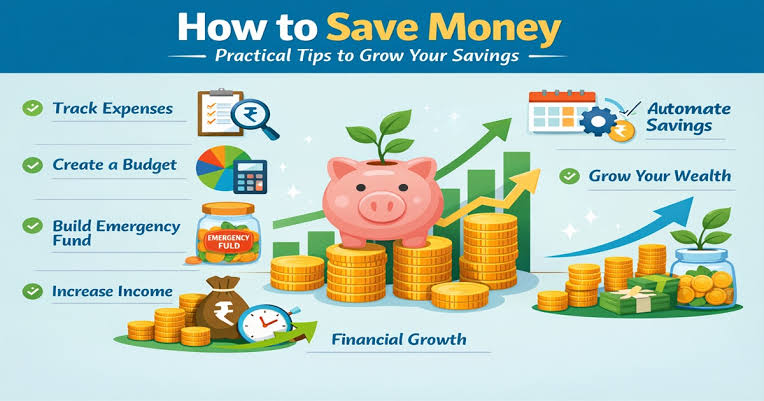
When you receive a raise, changing jobs, or starting a new income source, consider increasing your savings rate before increasing your lifestyle expenses.
For example, if your monthly income increases by $400, you might direct $200 of the increase toward savings and use the remaining $200 for other priorities.
This allows your financial progress to improve while still giving you additional spending flexibility.
Over several years, regularly increasing your savings can have a significant effect.
Consider Where You Keep Your Savings
The location of your savings matters.
Money needed soon should generally be kept somewhere appropriate for short-term savings, where accessibility and preservation of principal are important considerations.
Long-term money may have different objectives and may be suitable for investments depending on your goals, risk tolerance, and time horizon.
Do not assume that every dollar should be treated the same way. Emergency savings, a home down payment, and retirement money have different purposes and therefore may require different approaches.
Before choosing financial products, consider fees, interest rates, access requirements, taxes, and the level of risk involved.
Track Your Progress
A savings strategy becomes more motivating when you can see your progress.
Check your savings accounts regularly and compare your current balance with your targets.
You can use a spreadsheet, budgeting application, banking tools, or a simple notebook.
For example, if your goal is to save $6,000, track every $500 or $1,000 milestone. Breaking a large goal into smaller achievements can make it feel much more manageable.
Review your progress monthly rather than obsessing over it every day.
Avoid Comparing Your Savings Journey With Others
Personal finance is highly individual.
Someone else may be able to save $1,000 a month because they have different income, housing costs, family responsibilities, debt, or financial support.
Comparing your situation with another person’s can create unnecessary pressure.
Instead, compare your current financial position with where you were six or twelve months ago.
If you are saving more consistently, reducing expensive debt, and becoming more financially prepared, you are moving in the right direction.
Common Savings Mistakes to Avoid
Even a good savings plan can fail if certain habits are ignored.
One common mistake is setting an unrealistic target. If you commit to saving an amount that leaves you unable to pay essential bills, the plan is unlikely to last.
Another mistake is keeping no money available for unexpected expenses. Without an emergency fund, one financial surprise can force you to use savings intended for another goal.
People also sometimes focus exclusively on saving while ignoring expensive debt. Depending on the interest rates and circumstances involved, paying down high-interest debt may deserve significant attention alongside saving.
Finally, avoid constantly changing your plan because of short-term setbacks. Financial progress rarely happens in a perfectly straight line.
A Simple Savings Strategy You Can Start Today
If you are unsure where to begin, keep your first plan simple.
First, calculate your monthly take-home income.
Second, list your essential and discretionary expenses.
Third, choose one immediate savings goal.
Fourth, select a realistic monthly amount.
Fifth, automate the transfer whenever possible.
Sixth, review your spending once a month and look for opportunities to improve.
Finally, increase your savings gradually as your financial situation improves.
The best savings strategy is not necessarily the most complicated one. It is the one you can consistently follow.
Frequently Asked Questions About Savings Strategy
How much money should I save each month?
There is no universal amount that works for everyone. Start with an amount that fits comfortably within your budget and increase it as your income and circumstances allow.
What should I save for first?
Many people begin with a small emergency fund before focusing heavily on other financial goals. After that, priorities can depend on debt, upcoming expenses, retirement needs, and personal goals.
Is it better to save a little or wait until I can save more?
Saving a small amount consistently is generally better than repeatedly waiting for the “perfect” time to start. Building the habit is an important part of long-term financial planning.
How can I save money on a low income?
Focus on realistic goals. Review recurring expenses, avoid unnecessary fees, automate even small transfers, and look for ways to increase income when possible. A small savings habit can still provide valuable financial protection.
Should I keep all my savings in one account?
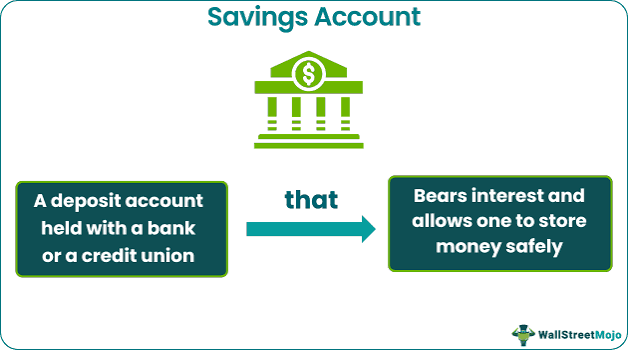
Not necessarily. Different financial goals can have different time frames and requirements. Keeping money organized according to its purpose may make it easier to manage your finances.
Final Thoughts
A successful savings strategy does not require perfection. It requires consistency and a clear understanding of what you want your money to accomplish.
Start by understanding your income and expenses. Set specific goals, automate your savings, build an emergency fund, review unnecessary spending, and adjust your plan as your circumstances change.
Even small improvements can add up over time. The most important step is to start with a realistic amount and keep moving forward.
Financial security is rarely created through one dramatic decision. It is usually built through hundreds of small choices made consistently over months and years. By turning saving into a regular habit rather than an occasional activity, you can create a stronger financial foundation and give yourself greater confidence about the future.