Strategic investing is one of the most effective ways to work toward long-term financial growth. Instead of making investment decisions based on emotions, rumors, or short-term market movements, strategic investing focuses on clear goals, careful research, diversification, risk management, and patience.
Whether you are a beginner or an experienced investor, having a strategy can help you make more informed decisions. The goal is not necessarily to predict every market movement. Rather, strategic investing is about creating a thoughtful plan and consistently following it while adjusting when your financial circumstances or market conditions change.
What Is Strategic Investing?
Strategic investing is the process of making investment decisions based on a defined financial plan. An investor considers factors such as financial goals, investment timeframe, risk tolerance, available capital, and market conditions before choosing where to put money.
For example, someone saving for retirement may have a very different investment strategy from someone saving for a home within the next three years. A long-term investor may have more time to tolerate market fluctuations, while a short-term investor may need investments with lower volatility.
The key principle is simple: invest with a purpose rather than investing randomly.
Why Strategic Investing Matters
Markets can be unpredictable. Stock prices, interest rates, economic conditions, and investor sentiment can change quickly. Without a strategy, investors may make emotional decisions when markets become volatile.
Strategic investing can provide a framework for handling these situations. Instead of reacting immediately to every market headline, investors can refer back to their original financial plan.
A well-designed strategy may also help investors:
- Set realistic financial goals
- Manage investment risk
- Diversify their portfolios
- Avoid unnecessary emotional decisions
- Take advantage of long-term growth opportunities
- Monitor progress toward financial objectives
Strategic investing does not eliminate risk, but it can make the investment process more organized and disciplined.
Set Clear Investment Goals
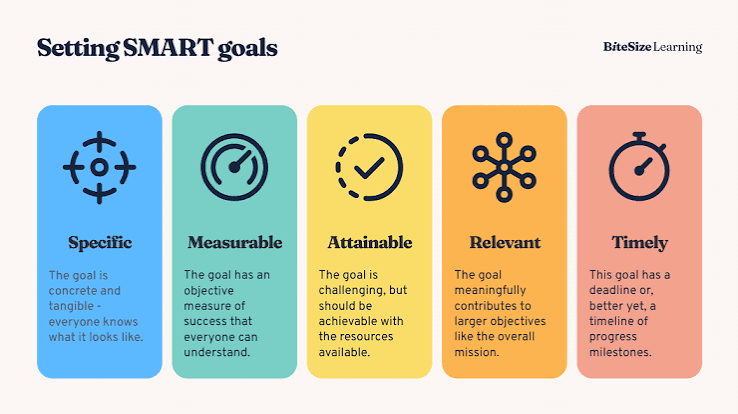
Before choosing an investment, it is important to understand why you are investing. A specific goal can influence almost every part of your strategy.
Common investment goals include retirement, purchasing a home, building an emergency reserve, funding education, or creating long-term wealth.
Your timeframe matters as well. If you need your money soon, you may not have enough time to recover from a significant market decline. On the other hand, investors with longer time horizons may be able to tolerate temporary losses in exchange for potential long-term growth.
Writing down your goals can make them easier to evaluate. Consider the amount you want to accumulate, the time available, and how much you can realistically invest on a regular basis.
Understand Your Risk Tolerance
Every investment carries some level of risk. Strategic investing begins with understanding how much risk you can realistically handle.
Risk tolerance is not only about how much financial loss you can afford. It is also about how comfortable you are with fluctuations in the value of your investments.
An investor who becomes extremely stressed whenever the market declines may need a different portfolio from someone who can remain comfortable during periods of volatility.
A balanced strategy should consider both your financial ability to take risks and your emotional comfort with market uncertainty.
Diversification Is a Key Principle
Diversification is one of the most widely used approaches to managing investment risk. Instead of putting all your money into one company, industry, or type of asset, diversification spreads investments across different areas.
Depending on an investor’s goals and circumstances, diversification may involve stocks, bonds, cash equivalents, real estate, or other assets.
The idea is that different investments may perform differently under various economic conditions. If one part of a portfolio performs poorly, other investments may help reduce the overall impact.
However, diversification does not guarantee profits or completely protect against losses. It is simply a way to avoid depending too heavily on one investment.
Think Long Term

One of the biggest challenges investors face is focusing too much on short-term market movements.
Financial markets can rise and fall for many reasons. Economic reports, company earnings, interest-rate decisions, geopolitical events, and investor sentiment can all influence prices.
Strategic investors generally understand that short-term volatility is part of investing. Instead of constantly trying to predict the next market move, they focus on the bigger picture.
A long-term approach can also make disciplined investing easier. Regular contributions, reinvestment, and patience can potentially allow investments to benefit from compound growth over time.
Avoid Emotional Investment Decisions
Fear and greed can strongly influence financial decisions. When markets rise rapidly, investors may feel pressure to buy because they do not want to miss an opportunity. When markets fall, fear may encourage them to sell at an unfavorable time.
Strategic investing attempts to reduce these emotional reactions by establishing rules before difficult situations occur.
For example, an investor may decide in advance how frequently to review a portfolio and under what circumstances it should be adjusted. Having a predetermined approach can make it easier to remain disciplined when markets become unpredictable.
Regularly Review Your Portfolio
Creating an investment strategy does not mean setting it once and never looking at it again.
Your financial situation can change. Income, expenses, family responsibilities, investment goals, and risk tolerance may all be different several years from now.
For this reason, reviewing your portfolio periodically can be useful. Investors can evaluate whether their current investments still match their goals and whether their asset allocation has changed significantly.
Portfolio review should not automatically mean frequent buying and selling. In many cases, thoughtful adjustments are more appropriate than constant trading.
The Role of Research
Good investment decisions require research. Before investing in a company, fund, or other asset, investors should understand what they are buying and why it fits their strategy.
Research may include examining financial information, fees, historical performance, business fundamentals, economic factors, and potential risks.
It is also important to distinguish reliable information from online speculation. Social media trends and investment discussions can provide ideas, but they should not replace independent research.
Investors should be particularly cautious about promises of guaranteed returns or claims that a particular investment cannot lose money.
Strategic Investing and Compound Growth
Compound growth is another important concept for long-term investors. When investment returns are reinvested, future returns can potentially be earned on both the original investment and previous gains.
Time can therefore be a powerful factor. Someone who starts investing early may have more opportunity to benefit from compounding than someone who waits many years before beginning.
This does not mean investors should rush into unsuitable investments. Instead, it highlights the value of developing a sustainable investment habit and giving a long-term strategy enough time to work.
Common Strategic Investing Mistakes
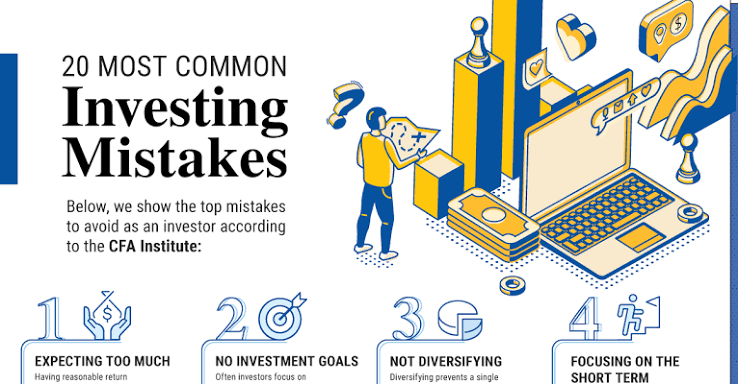
Even experienced investors can make mistakes. Some common problems include investing without clear goals, concentrating too much money in one investment, ignoring fees, attempting to time every market movement, and making decisions based on fear or excitement.
Another common mistake is failing to maintain an appropriate emergency fund. Investments can fluctuate in value, so money needed for immediate expenses may need to be handled differently from long-term investment capital.
Learning from these mistakes can help investors develop better financial habits.
Final Thoughts
Strategic investing is not about finding a perfect investment or predicting the future. It is about developing a clear financial plan and making decisions that support long-term objectives.
By setting realistic goals, understanding risk, diversifying investments, conducting research, controlling emotions, and maintaining a long-term perspective, investors can create a more disciplined approach to managing their money.
Every investor has a different financial situation, so there is no single strategy that works for everyone. Before making important investment decisions, consider your individual circumstances and, when appropriate, seek advice from a qualified financial professional.
The most important part of strategic investing is consistency. A thoughtful plan, combined with patience and regular evaluation, can provide a stronger foundation for pursuing long-term financial goals.