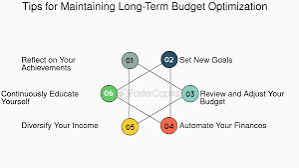
Managing money effectively is not simply about spending less. It is about understanding where your money goes, making smarter financial decisions, and using available resources in a way that supports your goals. This is where budget optimization becomes important.
Whether you are managing a household budget, running a small business, or overseeing the finances of a growing company, an optimized budget can help you reduce unnecessary expenses and make better use of every dollar. Instead of creating a budget once and forgetting about it, budget optimization involves regularly reviewing your financial situation and making practical adjustments.
In today’s world, where prices can change quickly and unexpected expenses can appear at any time, having an organized approach to money management can make a significant difference.
What Is Budget Optimization?
Budget optimization is the process of reviewing income, expenses, financial priorities, and spending habits to determine how available money can be used more efficiently.
A traditional budget tells you how much money you have and where you plan to spend it. Budget optimization goes a step further. It asks important questions such as:
- Are you spending too much in certain areas?
- Which expenses provide the most value?
- Are there unnecessary subscriptions or recurring costs?
- Can essential expenses be reduced?
- Are you saving enough for future goals?
- Are your financial priorities still relevant?
The goal is not necessarily to eliminate every enjoyable expense. Instead, the objective is to create a balanced financial plan that supports your needs while reducing waste.
Why Budget Optimization Matters
Many people believe that financial problems are caused only by having a low income. While income certainly matters, inefficient spending can also create financial pressure.
For example, a person may earn a reasonable income but still struggle because of unnecessary subscriptions, frequent impulse purchases, expensive debt, or a lack of planning for irregular expenses.
Budget optimization helps identify these issues.
When your spending is organized, you gain a clearer understanding of your financial position. This can make it easier to save money, prepare for emergencies, manage debt, and work toward long-term goals.
For businesses, the benefits can be even more significant. An optimized budget can help companies identify inefficient spending, control operating costs, and direct resources toward activities that contribute to growth.
Start by Understanding Your Current Budget
The first step toward better budget optimization is understanding your current financial situation.
Before changing anything, collect information about your income and expenses. Look at bank statements, credit card transactions, bills, subscriptions, and other regular payments.
Divide expenses into useful categories such as:
- Housing
- Utilities
- Groceries
- Transportation
- Insurance
- Debt payments
- Entertainment
- Shopping
- Subscriptions
- Savings
- Investments
This process can reveal spending patterns that may not be obvious during everyday life.
For example, an occasional $10 purchase may not seem important. However, several small purchases repeated every week can become a substantial annual expense.
Separate Needs From Wants
One of the simplest techniques for budget optimization is separating needs from wants.
Needs are expenses that are necessary for daily life, such as housing, basic food, utilities, transportation, and essential healthcare. Wants are expenses that improve comfort or enjoyment but are not strictly necessary.
This does not mean that wants should completely disappear from your budget. Entertainment, hobbies, restaurants, travel, and personal purchases can all have value.
The key is balance.
Instead of asking, “How can I stop spending money?” ask, “Which expenses are most valuable to me?”
This small change in thinking can make budgeting feel less restrictive and more purposeful.
Review Recurring Expenses
Recurring expenses deserve special attention because they continue automatically.
Streaming services, software subscriptions, memberships, cloud storage, apps, insurance plans, and other monthly services can quietly consume a significant portion of a budget.
Review these expenses at least a few times each year.
Ask yourself:
Do I still use this service?
Does it provide enough value for the price?
Is there a cheaper alternative?
Can I switch to a different plan?
Canceling even a few unnecessary subscriptions can create savings without dramatically changing your lifestyle.
For businesses, recurring expenses should also be reviewed. Software licenses, professional services, office costs, and vendor contracts can often be renegotiated or consolidated.
Use Data Instead of Guesswork
Effective budget optimization depends on accurate information.
Instead of estimating how much you spend on groceries, transportation, entertainment, or online shopping, look at your actual transactions.
Modern budgeting apps and financial tools can make this process easier by categorizing transactions and showing spending trends.
However, you do not need expensive software to get started. A simple spreadsheet can be enough.
Create columns for income, fixed expenses, variable expenses, savings, debt payments, and discretionary spending. Update the information regularly.
Once you have several months of data, patterns become easier to identify.
Create Realistic Spending Limits
A common budgeting mistake is creating unrealistic spending limits.
For example, someone who regularly spends $500 per month on entertainment may suddenly decide to spend only $50. While the goal may sound financially responsible, such a dramatic reduction can be difficult to maintain.
A better approach is gradual improvement.
If an expense is higher than you want, reduce it in manageable steps. You might lower a category from $500 to $400 and then reassess after a few months.
A realistic budget is more likely to become a long-term habit.
Build an Emergency Fund
An emergency fund is an important part of a strong financial strategy.
Unexpected expenses can happen at any time. A vehicle repair, home maintenance problem, temporary loss of income, or other unexpected event can put pressure on a budget.
Without savings, people may rely on credit cards or loans to cover these costs.
Budget optimization should therefore include regular savings for emergencies.
Even a small amount saved consistently can build a useful financial cushion over time. The appropriate emergency fund depends on personal circumstances, income stability, household expenses, and other factors.
Optimize Debt Payments
Debt can significantly affect a budget, particularly when interest costs are high.
Review your debts and understand their balances, interest rates, minimum payments, and repayment terms.
Creating a structured repayment strategy can help you make progress while protecting your ability to cover essential expenses.
Some people prefer focusing on the debt with the highest interest rate first, while others prefer paying off smaller balances to create a sense of progress. The right approach depends on your circumstances and priorities.
The important thing is to understand the cost of debt and include repayment in your overall budget rather than treating it as an afterthought.
Budget Optimization for Businesses
Budget optimization is not limited to personal finances. Businesses can also benefit substantially from a structured approach.
Companies should regularly evaluate spending in areas such as:
- Payroll
- Marketing
- Technology
- Office expenses
- Inventory
- Transportation
- Professional services
- Customer acquisition
- Equipment
- Vendor contracts
The goal is not simply to cut costs.
A business can actually hurt its growth by cutting valuable investments. For example, reducing marketing spending may save money immediately but could also reduce future sales.
Effective business budget optimization focuses on value and return, not just lower expenses.
A company should determine which activities contribute to revenue, customer satisfaction, productivity, and long-term growth.
Avoid Cutting Costs That Create More Value
One of the biggest mistakes in budget optimization is assuming that every expense should be reduced.
Some expenses can generate significant value.
For an individual, spending money on education, professional development, reliable transportation, or preventative maintenance may reduce larger costs in the future.
For a business, investing in employee training, customer service, cybersecurity, or efficient technology may improve productivity and reduce future problems.
Therefore, optimization is not the same as aggressive cost-cutting.
The better question is:
“What am I getting in return for this expense?”
If an expense provides meaningful value, removing it may not be the best decision.
Review Your Budget Regularly
A budget should not be treated as a permanent document.
Income changes. Prices change. Priorities change. Family circumstances change. Businesses also experience changes in customers, markets, suppliers, and operating costs.
For this reason, budget optimization should be an ongoing process.
Set aside time each month to review your spending. A more detailed review can be completed every three to six months.
During each review, compare your planned budget with your actual spending.
Look for categories where you consistently spend more than expected. Then determine whether the problem is caused by an unrealistic budget, unnecessary spending, or a change in your financial needs.
Make Technology Work for You
Technology can make budget management easier.
Budgeting applications, spreadsheets, banking tools, expense trackers, and financial dashboards can help organize information and identify trends.
Automation can also be useful.
For example, automatic transfers can move money into a savings account shortly after receiving income. Automated bill payments can help prevent missed payments, although account balances should still be monitored carefully.
The best financial technology is not necessarily the most complicated. Choose tools that you can understand and use consistently.
Common Budget Optimization Mistakes

Even with a good plan, certain mistakes can make budgeting less effective.
One common mistake is focusing only on monthly expenses while ignoring annual or irregular costs. Insurance premiums, holidays, school expenses, repairs, and annual memberships can create unexpected pressure if they are not planned for.
Another mistake is forgetting to update the budget after major life changes.
People also sometimes create budgets that are too complicated. If maintaining the system takes more time than the value it provides, they may eventually stop using it.
Keep the process simple enough to maintain.
Final Thoughts
Budget optimization is ultimately about making smarter decisions with the money and resources available to you. It does not require extreme lifestyle changes or eliminating everything you enjoy.
A successful approach starts with understanding your current spending, identifying unnecessary costs, setting realistic limits, prioritizing important goals, managing debt, and reviewing your financial plan regularly.
For individuals, these habits can provide greater financial control and help prepare for future needs. For businesses, they can improve efficiency and ensure that resources are directed toward activities that create meaningful value.
The most important step is simply to begin.
Start by reviewing your recent spending. Identify one or two areas that could be improved, make a realistic adjustment, and monitor the results. Over time, small improvements can become powerful financial habits.
When budget decisions are based on real data, clear priorities, and regular reviews, your money can work more effectively for the goals that matter most.