Managing money can feel difficult, especially when everyday expenses keep increasing. Rent, groceries, transportation, bills, subscriptions, and unexpected costs can quickly use up a large part of your income. The good news is that you do not need to make huge lifestyle changes to improve your finances. A few practical budget tips can help you understand where your money goes, control unnecessary spending, and build better financial habits.
Creating a budget is not about avoiding everything you enjoy. It is about making sure your money is being used for the things that matter most to you. Whether you are trying to save for an emergency, pay off debt, prepare for a major purchase, or simply stop wondering where your paycheck disappeared, these simple strategies can help.
1. Know Exactly Where Your Money Goes
The first step toward better money management is understanding your current spending habits. Many people know their monthly income but have only a rough idea of how much they spend.
For one month, keep track of every expense. Include major payments such as rent and utility bills, but do not ignore small purchases. Coffee, snacks, delivery fees, entertainment, and small online purchases can add up surprisingly quickly.
Divide your expenses into categories such as:
- Housing
- Food and groceries
- Transportation
- Utilities
- Entertainment
- Shopping
- Debt payments
- Savings
- Other expenses
Once you see the complete picture, it becomes much easier to identify areas where you can make changes.
2. Create a Realistic Monthly Budget
A budget should fit your actual lifestyle rather than an imaginary version of it. If you create an extremely strict plan that you cannot maintain, you may abandon it after a few weeks.
Start with your monthly take-home income. Then subtract essential expenses and financial obligations. After that, decide how much you can reasonably put toward savings and optional spending.
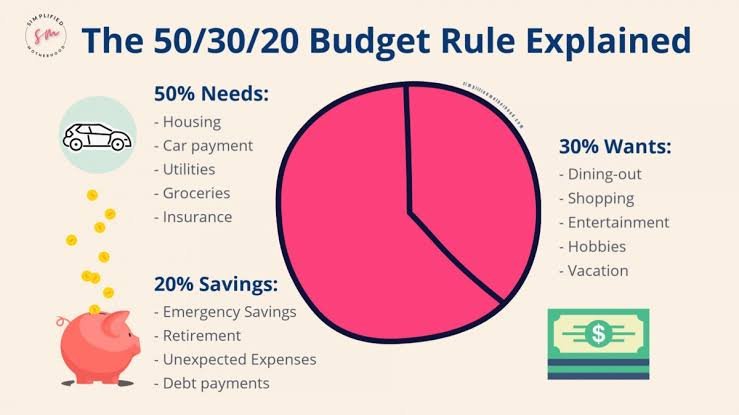
One commonly used approach is the 50/30/20 method. Under this framework, about 50% of income goes toward needs, 30% toward wants, and 20% toward savings or debt repayment. These percentages are not rules that everyone must follow. Your housing costs, family situation, income, and financial goals may require a different balance.
The best budget is one you can consistently follow.
3. Separate Needs From Wants
One of the most useful budget tips is learning the difference between something you need and something you simply want.
Needs generally include housing, basic food, transportation, utilities, insurance, and other essential expenses. Wants might include restaurant meals, expensive clothing, entertainment, upgraded electronics, and other nonessential purchases.
This does not mean you should eliminate all wants. Enjoying your money is part of having a healthy financial life. The goal is to recognize the difference so you can make intentional choices.
Before making a purchase, ask yourself: “Do I really need this, or would I rather use this money for one of my financial goals?”
That simple question can prevent many impulse purchases.
4. Set Specific Savings Goals
Saving money is easier when you have a clear reason for doing it. Instead of simply saying, “I need to save more,” create a specific target.
For example, you might want to save $1,000 for emergencies, build a vacation fund, replace an old car, or prepare for a future home purchase.
Break a large goal into smaller monthly or weekly amounts. If you want to save $1,200 in one year, saving approximately $100 per month makes the goal easier to understand.
Keep your savings goal visible. Seeing your progress can provide motivation and make saving feel more rewarding.
5. Build an Emergency Fund
Unexpected expenses are one of the biggest reasons people struggle financially. A medical bill, car repair, home problem, or sudden loss of income can disrupt an otherwise balanced budget.
An emergency fund provides a financial cushion for situations you did not plan for. If you are starting from zero, do not worry about immediately saving a huge amount. Begin with a small target and increase it over time.
Even setting aside $20 or $50 regularly can create a useful habit. As your financial situation improves, you can gradually work toward having several months of essential expenses available.
The important thing is to keep emergency savings separate from money intended for everyday spending.
6. Reduce Unnecessary Subscriptions
Subscriptions are convenient, but they can quietly become a significant monthly expense. Streaming services, apps, memberships, software, delivery programs, and other recurring payments are easy to forget.
Review your bank or credit card statements and make a list of all recurring charges. Ask yourself whether you actively use each service.
If you have several subscriptions you rarely use, canceling even a few can free up money every month. You can then redirect that money toward savings, debt payments, or another financial goal.
7. Plan Your Grocery Shopping

Food is an essential expense, but there are many ways to make it more affordable without sacrificing quality.
Create a grocery list before going shopping and try to follow it. Planning meals in advance can reduce the temptation to purchase unnecessary items or order takeout at the last minute.
Compare prices, use store promotions when they genuinely save money, and consider buying commonly used products in larger quantities when doing so makes financial sense.
It is also worth checking what you already have at home before shopping. Using food before it expires can reduce waste and lower your grocery bill over time.
8. Use the 24-Hour Rule for Bigger Purchases
Impulse buying can damage an otherwise good budget. A useful strategy is to wait before purchasing something that is expensive or nonessential.
Give yourself at least 24 hours to think about the purchase. For particularly expensive items, consider waiting several days.
During that time, ask yourself whether you actually need the item, whether you can afford it without affecting your financial goals, and whether there is a less expensive alternative.
Sometimes the desire to buy something disappears after you have had time to think about it.
9. Pay Attention to Small Expenses
Small expenses are not automatically bad, but repeated small purchases can have a noticeable effect on your finances.
For example, spending $5 several times a week may seem insignificant in the moment. Over a month, however, those purchases can become a meaningful amount.
Rather than eliminating every small pleasure, identify the expenses that do not provide much value to you. Keep the purchases you genuinely enjoy and reduce the ones you make simply out of habit.
This approach makes budgeting feel less restrictive.
10. Automate Your Savings
One of the easiest ways to save consistently is to automate the process. If possible, arrange for a specific amount to move from your checking account into savings after you receive your income.
Automation removes the need to remember to save every month. It also reduces the temptation to spend money that you intended to save.
Start with an amount that feels manageable. You can increase it later as your income changes or your expenses decrease.
11. Review Your Budget Every Month
Your budget should change when your life changes. Income, rent, utility costs, family expenses, debt payments, and financial goals can all change over time.
Set aside a few minutes at the end of each month to review your spending. Compare what you planned to spend with what you actually spent.
Do not treat going over budget as a failure. Instead, use it as information. If groceries consistently cost more than expected, adjust the category. If you are spending less on transportation, you may be able to redirect that money toward savings.
A budget is a tool, not a test.
12. Avoid Comparing Your Finances With Other People
Social media can make it seem like everyone else is traveling, buying new cars, eating at expensive restaurants, and constantly upgrading their lifestyle.
Remember that you rarely see someone’s complete financial situation. Someone’s expensive purchase does not tell you how much debt they have or whether they are financially prepared for an emergency.
Focus on your own priorities. A successful financial life is not about looking wealthy. It is about having control over your money and making progress toward goals that are important to you.
13. Increase Your Income When Possible
Cutting expenses is useful, but there is a limit to how much you can reduce. Increasing income can give you another way to improve your financial situation.
Depending on your circumstances, you might consider asking for additional responsibilities at work, developing a valuable skill, taking occasional freelance work, selling unused items, or exploring a side income opportunity.
If your income increases, avoid immediately increasing your lifestyle expenses. Directing at least part of the extra money toward savings or debt can accelerate your progress.
Frequently Asked Questions About Budget Tips
What is the easiest way to start a budget?
Start by recording your monthly income and all of your expenses. Once you understand where your money is going, create spending limits for important categories and set a realistic savings target.
How much money should I save each month?
There is no single amount that works for everyone. A common guideline is to aim for around 20% of income, but even a smaller amount is valuable if your current expenses make that difficult. Consistency matters more than starting with a large number.
How can I stop overspending?
Track your purchases, create spending limits, avoid impulse buying, and wait before making larger nonessential purchases. Understanding your spending triggers can also help you make better decisions.
Should I pay off debt or save money first?
The right approach depends on the type of debt, interest rate, emergency savings, and your overall financial situation. Many people benefit from maintaining some emergency savings while also making a plan to reduce high-interest debt.
Can budgeting really save money?

Yes. A budget makes your income and expenses visible, which can help you identify unnecessary spending and redirect money toward savings, debt repayment, and other priorities. The key is creating a realistic budget that you can maintain.
Conclusion
Good money management does not require perfection. The most effective budget tips are usually simple habits that you can repeat consistently. Track your spending, create a realistic plan, separate needs from wants, set clear savings goals, reduce unnecessary expenses, and review your budget regularly.
Most importantly, give yourself time. Financial improvement rarely happens overnight. Small decisions made consistently can have a meaningful impact over months and years.
Instead of asking how you can completely change your financial life today, ask what one small improvement you can make this week. That first step can become the foundation for healthier money habits and greater financial confidence.