Cost management is one of the most important parts of running a successful business. Whether you own a small company, manage a growing startup, or work for a large organization, controlling costs can have a direct impact on profitability and long-term growth. A business may generate strong revenue, but if expenses are not monitored carefully, profits can quickly disappear.
In simple terms, cost management is the process of planning, monitoring, controlling, and reducing business expenses while maintaining the quality of products or services. It helps organizations understand where their money is going and how those resources can be used more effectively.
Good cost management is not simply about cutting expenses. It is about making smarter financial decisions. A company that reduces important investments just to save money today may create bigger problems in the future. Effective cost management focuses on efficiency, value, and sustainable growth.
What Is Cost Management?
Cost management refers to the practices businesses use to estimate, track, control, and analyze their expenses. It can cover everything from employee salaries and office rent to marketing costs, technology, equipment, materials, and operational expenses.
The goal is to ensure that spending remains aligned with the company’s budget and objectives. Managers can use financial reports and performance data to identify unnecessary expenses, understand spending patterns, and make better decisions.
For example, if a company discovers that it is paying for several software subscriptions that employees rarely use, management can review those subscriptions and cancel the unnecessary ones. The company saves money without affecting its core operations.
Why Is Cost Management Important?
Effective cost management can provide several benefits. One of the biggest is improved profitability. When a business controls unnecessary expenses, more of its revenue can become profit.
It can also improve financial stability. Companies with predictable and controlled expenses are generally better prepared for unexpected situations, such as a decline in sales, increased supplier prices, or economic uncertainty.
Another major benefit is better decision-making. When managers have accurate information about costs, they can determine which products, services, projects, or departments are producing the best results.
Cost management can also encourage efficiency. Employees and managers become more aware of how resources are being used, which can lead to better processes and less waste.
Key Elements of Cost Management
A successful cost management strategy usually involves several important steps.
1. Cost Planning
The first step is understanding what the business is expected to spend. Cost planning involves creating budgets and estimating future expenses based on business goals.
A realistic budget should include regular operating expenses as well as possible unexpected costs. Planning ahead makes it easier to identify financial priorities and avoid unnecessary spending.
2. Cost Estimation
Businesses need to estimate how much different activities or projects will cost. This may include labor, materials, equipment, transportation, technology, and other resources.
Accurate cost estimates help companies decide whether a project is financially practical before committing significant resources.
3. Tracking Expenses
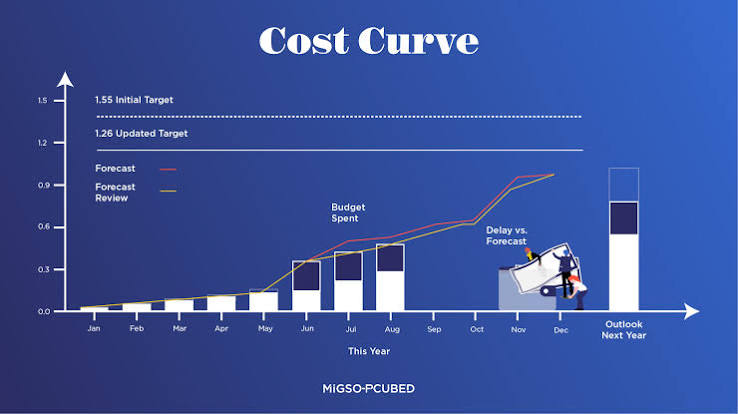
Once a budget is established, actual expenses should be tracked regularly. Comparing real spending with the original budget allows managers to identify differences.
For instance, if a marketing department spends significantly more than expected, management can investigate the reason. The additional spending may be justified because of a successful campaign, or it may indicate an area that needs better control.
4. Cost Control
Cost control means taking action when expenses move beyond acceptable levels. This does not always mean immediately cutting spending.
Instead, businesses should determine why costs have increased and decide whether the additional expense provides enough value. Sometimes spending more in one area can actually improve productivity or increase revenue.
5. Cost Analysis
Regular analysis helps businesses understand their financial performance. Managers can examine fixed costs, variable costs, direct costs, indirect costs, and other categories to determine where money is being spent.
This information can support better pricing, budgeting, purchasing, and investment decisions.
Fixed Costs vs. Variable Costs
Understanding different types of expenses is essential for effective cost management.
Fixed costs generally remain stable regardless of how much a company produces or sells. Examples include office rent, insurance, and certain salaries.
Variable costs change according to business activity. Examples can include raw materials, shipping expenses, packaging, and sales commissions.
Knowing the difference helps businesses predict how expenses may change when sales increase or decrease. It also makes budgeting and financial forecasting more accurate.
Practical Cost Management Strategies
Businesses can use many practical strategies to manage expenses without sacrificing quality.
One approach is to review recurring expenses regularly. Subscriptions, service contracts, and supplier agreements can sometimes continue for years without being evaluated. Reviewing them may reveal opportunities to negotiate better prices or eliminate unnecessary services.
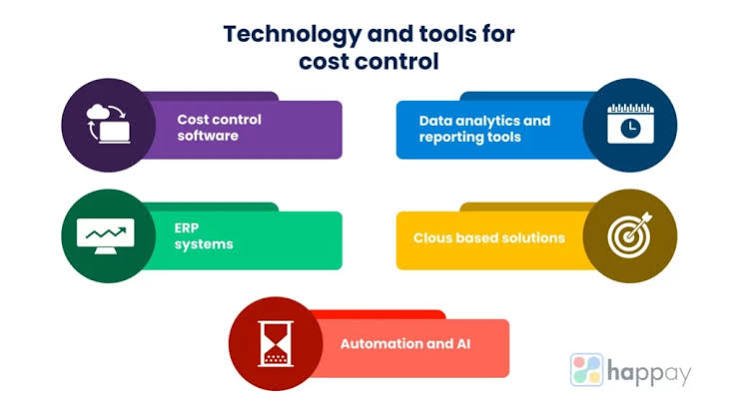
Technology can also help. Accounting software, expense-tracking systems, and automated reporting tools can reduce manual work and provide clearer financial information.
Another useful strategy is improving operational efficiency. Businesses can examine workflows to find delays, duplication, waste, or unnecessary steps. Even small improvements can create meaningful savings over time.
Supplier management is another important area. Companies may negotiate better terms with suppliers, compare multiple vendors, or purchase in appropriate quantities to reduce costs.
However, businesses should avoid choosing suppliers based only on the lowest price. Product quality, reliability, delivery times, and customer service can be equally important.
Cost Management and Employee Productivity
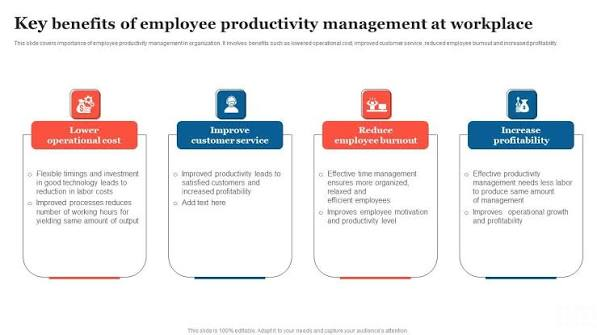
Employees play an important role in managing costs. When workers understand company objectives and financial priorities, they may become more conscious of how resources are used.
Training can also improve productivity. A well-trained employee may complete tasks faster, make fewer mistakes, and use company resources more efficiently.
Businesses should therefore view employee development as a potential investment rather than simply an expense. The right training and tools can produce long-term financial benefits.
Common Cost Management Mistakes
One common mistake is focusing only on reducing expenses. Extreme cost-cutting can damage product quality, employee morale, customer service, and future growth.
Another mistake is failing to monitor expenses regularly. A budget created at the beginning of the year is not enough. Business conditions change, so financial performance should be reviewed throughout the year.
Poor communication can also create problems. If departments do not understand spending limits or financial goals, unnecessary expenses may occur.
Finally, businesses sometimes rely on inaccurate or outdated information. Cost management works best when managers have timely and reliable financial data.
How Technology Can Improve Cost Management
Modern technology has made financial management easier for businesses of all sizes. Cloud-based accounting platforms can help companies record transactions, monitor expenses, create reports, and track budgets.
Data analytics can provide deeper insights into spending patterns. Businesses can use this information to identify trends and compare actual costs with forecasts.
Automation is another useful tool. Routine tasks such as invoice processing, expense reporting, and financial notifications can often be automated, reducing administrative work and minimizing human errors.
However, technology should support financial decision-making rather than replace careful analysis. Businesses still need people who can interpret financial information and understand the wider goals of the organization.
Cost Management for Small Businesses
Small businesses may have fewer financial resources than large corporations, making cost management especially important. Owners should understand their monthly expenses, monitor cash flow, and maintain a realistic budget.
Separating essential expenses from optional expenses can also help. Essential costs are necessary for daily operations, while optional spending may be reduced during difficult periods.
Small businesses can also benefit from negotiating with suppliers, comparing service providers, using digital tools, and reviewing expenses regularly.
The most important point is consistency. Cost management should be an ongoing business practice rather than something done only when money becomes tight.
The Future of Cost Management
As businesses become more digital, cost management is likely to become increasingly data-driven. Companies can use real-time information to monitor spending and identify financial risks earlier.
Artificial intelligence and advanced analytics may also help organizations identify unusual expenses, forecast future costs, and discover opportunities for greater efficiency.
Despite these developments, the basic principle will remain the same: businesses need to understand how money is being spent and whether that spending supports their goals.
FAQs About Cost Management
1. What is cost management?
Cost management is the process of planning, tracking, analyzing, and controlling business expenses. It helps organizations use their financial resources efficiently while maintaining quality and supporting growth.
2. Why is cost management important for a business?
Cost management helps businesses reduce unnecessary spending, improve profitability, maintain better cash flow, and make informed financial decisions. It also helps companies prepare for unexpected expenses and changing market conditions.
3. What are the main steps of cost management?
The main steps include cost planning, cost estimation, expense tracking, cost control, and cost analysis. Together, these steps help businesses understand their spending and keep expenses aligned with their budgets.
4. How can a small business improve cost management?
A small business can improve cost management by creating a realistic budget, monitoring cash flow, reviewing recurring expenses, negotiating with suppliers, reducing waste, and using accounting or expense-tracking software.
5. Is cost management the same as cutting costs?
No. Cost management is broader than simply cutting expenses. It focuses on spending money wisely and getting the best value from available resources. Reducing necessary spending too much can hurt quality, productivity, and long-term growth.
Final Thoughts
Cost management is much more than reducing business expenses. It is a structured approach to using financial resources wisely while maintaining quality and supporting growth.
By planning costs, tracking expenses, analyzing financial data, improving efficiency, and reviewing spending regularly, businesses can strengthen profitability and financial stability.
The most successful organizations understand that every expense should have a purpose. Instead of cutting costs blindly, they focus on getting the best possible value from every dollar invested. With a thoughtful and consistent cost management strategy, businesses can control financial risks, make better decisions, and create a stronger foundation for long-term success.