
Financial awareness is an important life skill that can influence almost every major decision we make. Whether you are a student earning your first income, a professional managing a salary, or a parent planning for your family’s future, understanding how money works can make everyday life easier and more secure. Financial awareness is not simply about earning more money. It is about knowing where your money comes from, where it goes, how to manage it responsibly, and how to prepare for the future.
In a world where prices, loans, subscriptions, and digital payments are part of everyday life, financial awareness has become more important than ever. People who understand basic financial concepts are generally better prepared to make informed choices and avoid unnecessary financial pressure.
What Is Financial Awareness?
Financial awareness means having a clear understanding of your personal financial situation and the basic principles of money management. It includes knowing how to create a budget, control spending, understand debt, save money, and plan for future goals.
For example, someone with good financial awareness may know exactly how much they earn each month and how much they spend on housing, food, transportation, entertainment, and other needs. They may also keep track of savings and understand the cost of borrowing money.
You do not need to be a financial expert to become financially aware. Even learning a few basic concepts can make a meaningful difference in your financial decisions.
Why Is Financial Awareness Important?
One of the biggest benefits of financial awareness is better decision-making. Without a clear picture of your finances, it can be easy to spend more than you earn or make decisions based on short-term desires rather than long-term needs.
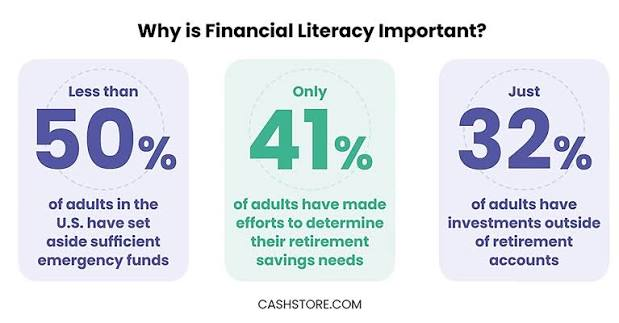
Financial awareness can also help people prepare for unexpected situations. An emergency expense, temporary loss of income, or major repair can create significant stress when there are no savings available. Having an emergency fund can provide a financial cushion during difficult times.
Another important benefit is improved control over debt. Credit cards, personal loans, and other forms of borrowing can be useful when managed carefully, but they can also become expensive when payments are not planned properly. Understanding interest rates, fees, and repayment terms can help consumers borrow more responsibly.
Creating a Practical Budget
A budget is one of the simplest tools for improving financial awareness. It provides a clear picture of income and expenses and helps identify areas where money may be disappearing unnecessarily.
Start by writing down your monthly income. Then list essential expenses such as rent or mortgage payments, utilities, groceries, transportation, insurance, and other regular costs. After that, consider flexible expenses such as dining out, entertainment, shopping, and subscriptions.
A useful budget should be realistic. If it is too restrictive, it may be difficult to maintain. The goal is not to eliminate every enjoyable expense but to make sure spending reflects your priorities.
Reviewing a budget regularly is equally important. Income and expenses can change, so a budget should be adjusted when circumstances change.
The Importance of Saving
Saving is another major part of financial awareness. Even small amounts can become valuable over time when saving becomes a consistent habit.
An emergency fund should generally be one of the first savings goals. It can help cover unexpected expenses without relying immediately on credit cards or high-cost borrowing.
Beyond emergencies, people may save for goals such as education, a home, travel, a vehicle, or retirement. Setting a specific goal can make saving more motivating because you can measure your progress.
Automating savings can also make the process easier. For example, arranging for a portion of each paycheck to move automatically into a savings account can reduce the temptation to spend that money.
Understanding Credit and Debt
Credit can be helpful, but it needs to be understood. A credit score can affect access to loans, credit cards, housing, and sometimes other financial services. Paying bills on time and managing credit responsibly can help maintain a healthy credit profile.
Before taking out a loan or using a credit card, it is important to understand the total cost. A low monthly payment does not necessarily mean a low overall cost. Interest, fees, and the length of repayment can significantly affect how much you eventually pay.
Financial awareness encourages people to read agreements carefully instead of accepting financial products without understanding their terms.
Financial Awareness and Long-Term Planning
Financial awareness should not focus only on today’s expenses. It should also encourage people to think about the future.
Long-term financial planning may include retirement savings, insurance, investments, education costs, and other personal goals. The right approach depends on individual circumstances, income, age, risk tolerance, and financial objectives.
Learning the basics of investing can also help people understand concepts such as diversification, risk, fees, and long-term growth. However, financial decisions should be made carefully, and individuals may benefit from qualified professional advice when dealing with complicated financial situations.
How to Improve Your Financial Awareness
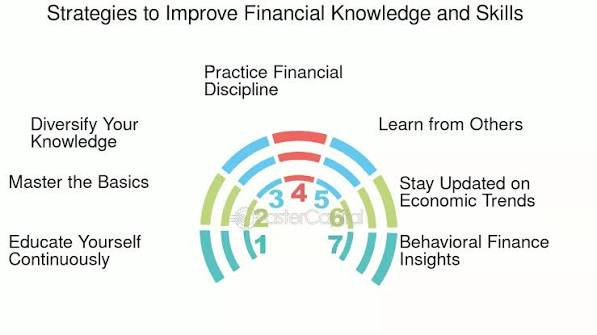
Improving financial awareness does not have to happen overnight. Start with simple habits. Check your bank statements regularly, track your spending, create a monthly budget, and review recurring subscriptions.
It is also useful to learn common financial terms such as interest, inflation, credit utilization, compound growth, and annual percentage rate. Reliable educational resources can make these topics easier to understand.
Most importantly, avoid making financial decisions simply because other people are doing something. Your financial goals and circumstances are unique. A decision that works well for one person may not be appropriate for another.
Frequently Asked Questions About Financial Awareness
1. What is financial awareness?
Financial awareness is the understanding of how money is earned, spent, saved, borrowed, and managed. It helps people make informed decisions about their finances and plan for both short-term needs and long-term goals.
2. Why is financial awareness important?
Financial awareness can help people manage their income, control unnecessary spending, reduce financial stress, and prepare for unexpected expenses. It also supports better decisions about saving, credit, debt, and future planning.
3. How can I improve my financial awareness?
You can start by tracking your income and expenses, creating a realistic budget, checking your bank statements, learning basic financial terms, and setting clear savings goals. Reviewing your finances regularly can also help you identify areas that need improvement.
4. What is the role of budgeting in financial awareness?
Budgeting helps you understand where your money goes each month. It allows you to prioritize essential expenses, control discretionary spending, and set aside money for savings and future goals.
5. Why is saving money important?
Saving provides financial security and can help you handle unexpected expenses without relying heavily on credit. Savings can also help you reach goals such as buying a home, paying for education, traveling, or preparing for retirement.
6. How does financial awareness help with debt?
Financial awareness helps you understand interest rates, fees, repayment periods, and the total cost of borrowing. This knowledge can make it easier to compare credit options and avoid taking on debt that may be difficult to repay.
7. Can financial awareness help reduce financial stress?
Yes. Having a clear understanding of your income, expenses, savings, and debts can provide a greater sense of control. A realistic budget and emergency savings can also make unexpected financial situations easier to manage.
8. Is financial awareness only important for people with high incomes?
No. Financial awareness is valuable regardless of income level. Understanding how to manage the money you have can help you make better spending, saving, and borrowing decisions and work toward your personal financial goals.
Conclusion
Financial awareness gives people greater confidence and control over their money. By understanding income, expenses, saving, credit, debt, and long-term planning, individuals can make more informed financial choices.
The key is consistency. Tracking your spending today, building savings over time, and learning how financial products work can create stronger habits for the future. You do not need a large income to begin improving your financial awareness. You simply need a willingness to understand your money and make thoughtful decisions about how to use it.