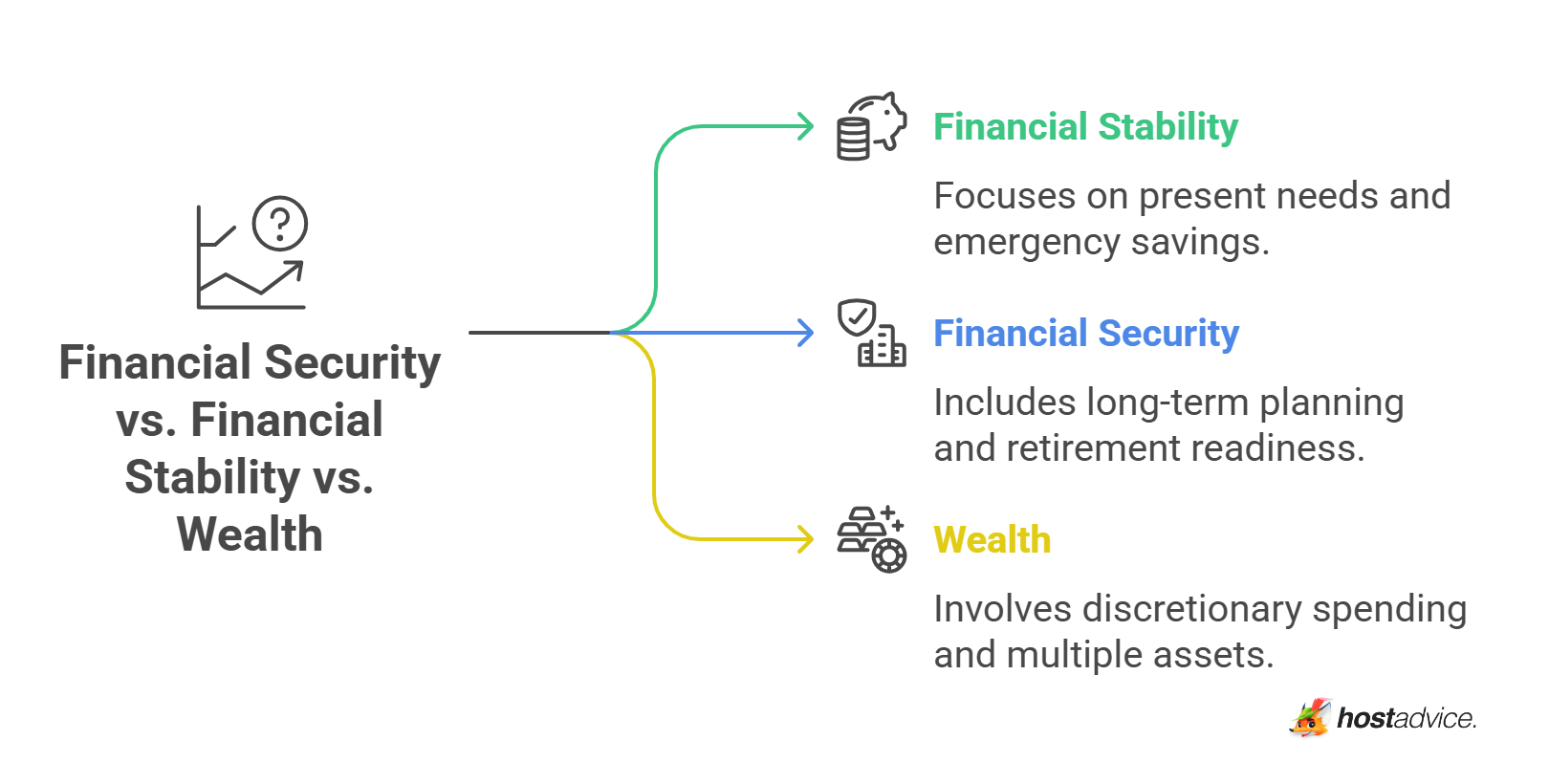
Financial security is something most people want, but many are unsure how to achieve it. It is not simply about having a large amount of money in the bank. True financial security means having enough control over your money to handle everyday expenses, unexpected problems, future goals, and important life changes without constant financial stress.
Whether you are just starting your career, supporting a family, paying off debt, or preparing for retirement, building financial security can make a significant difference in your quality of life. The good news is that you do not need to become wealthy overnight. Small, consistent financial decisions can gradually create a stronger and more stable financial future.
What Is Financial Security?
Financial security means having a stable financial foundation that allows you to meet your current needs while preparing for future expenses. It involves managing income, spending, savings, debt, investments, and financial risks in a responsible way.
A financially secure person may still have financial challenges. However, they are generally better prepared to deal with unexpected expenses such as a car repair, medical bill, temporary loss of income, or major household expense.
Financial security also provides freedom. When your finances are organized, you may have more flexibility to make decisions based on your goals rather than being forced to make choices because of financial pressure.
Why Financial Security Matters
Money affects many areas of everyday life. When finances are unstable, even ordinary expenses can become stressful. On the other hand, having a financial plan can provide greater confidence and peace of mind.
One major benefit of financial security is emergency preparedness. Unexpected expenses are a normal part of life, and having savings available can prevent a temporary problem from becoming a long-term financial crisis.
Financial security can also help you prepare for major goals. Buying a home, starting a business, paying for education, traveling, or retiring comfortably usually requires planning and consistent saving.
Another important benefit is reduced dependence on debt. When you have savings and manage your expenses carefully, you may not need to rely on credit cards or loans whenever an unexpected expense occurs.
Create a Realistic Budget
A budget is one of the most important tools for building financial security. It gives you a clear picture of where your money comes from and where it goes.
Start by calculating your monthly income after taxes. Then list your regular expenses, including housing, utilities, groceries, transportation, insurance, subscriptions, debt payments, and other necessities.
After that, look at flexible expenses such as entertainment, restaurants, shopping, and hobbies. You do not necessarily need to eliminate these expenses. Instead, determine whether they fit comfortably within your financial situation.
A good budget should be realistic. If a budget is too restrictive, it may be difficult to maintain over time. The goal is to create a spending plan that covers your needs, supports your goals, and still allows room for reasonable enjoyment.
Build an Emergency Fund
An emergency fund is an important part of financial security because unexpected expenses can happen at any time.
For example, you could experience a sudden reduction in working hours, an urgent home repair, or an unexpected personal expense. Without savings, you may have to use a credit card or borrow money.
Start with a small goal if necessary. Even saving a few hundred dollars can provide some protection. Once you have established the habit, gradually work toward building several months of essential living expenses.
Keep emergency savings somewhere accessible and separate from money intended for everyday spending. The purpose of this fund is not to generate maximum investment returns. Its main purpose is to provide financial stability when something unexpected happens.
Manage Debt Carefully
Debt can be useful when managed responsibly, but excessive debt can make it harder to achieve financial security.
Begin by understanding exactly how much you owe, including balances, interest rates, minimum payments, and due dates. This information can help you create a repayment strategy.
High-interest debt deserves particular attention because interest can cause balances to grow quickly. Paying more than the minimum when possible can help reduce the amount of interest paid over time.
At the same time, avoid taking on unnecessary new debt. Before borrowing money, consider whether the purchase is essential, whether you can comfortably afford the payments, and how the debt may affect your other financial goals.
Make Saving a Regular Habit
Saving money becomes easier when it is treated as a regular financial responsibility rather than something you do only when money is left over.
Consider setting a specific savings target for each month. You can then treat that amount like any other important expense.
Automatic transfers can also make saving more consistent. For example, a portion of your income could be transferred to a savings account after each paycheck.
The amount does not have to be large at first. Consistency is often more important than starting with a perfect amount. As your income increases or certain expenses decrease, you can consider increasing your savings contribution.
Plan for Long-Term Goals

Financial security is not only about dealing with today’s expenses. It also means preparing for the future.
Think about your long-term goals and estimate how much money you may need to achieve them. Common goals include buying a home, funding education, starting a business, or preparing for retirement.
Long-term financial planning can help you understand what you need to save and when. It can also help you identify areas where your current spending may need adjustment.
When investing for long-term goals, it is important to understand that investments carry risk and that returns are not guaranteed. Your investment choices should reflect your goals, time horizon, and personal tolerance for risk.
Protect Yourself From Financial Risks
Building savings and investments is only one side of financial security. Protecting what you already have is also important.
Insurance can help protect against certain major financial losses. Depending on your circumstances, this might include health, auto, home or renters, disability, or life insurance.
The right coverage depends on your personal situation, responsibilities, location, and financial needs. Reviewing your policies periodically can help ensure that your coverage still makes sense as your circumstances change.
It is also wise to protect your financial information. Use strong passwords, enable multi-factor authentication when available, and be cautious about suspicious messages, websites, and requests for personal information.
Improve Your Financial Knowledge
Financial literacy can make it easier to make informed decisions. You do not need to become a financial expert, but understanding basic financial concepts can be extremely valuable.
Learn about budgeting, interest rates, credit scores, taxes, insurance, savings, investing, and retirement planning. Reliable educational resources can help you understand these topics before making important financial decisions.
Be cautious of financial advice that promises quick wealth or guaranteed returns. Building financial security generally requires patience, realistic expectations, and consistent decisions rather than shortcuts.
Avoid Lifestyle Inflation
As income increases, it can be tempting to immediately increase spending. A larger home, expensive car, frequent dining out, and additional subscriptions can quickly consume extra income.
This is known as lifestyle inflation.
Increasing your standard of living is not necessarily wrong, but it can become a problem if every increase in income leads to an equal increase in expenses.
When your income grows, consider directing at least part of the additional money toward savings, debt repayment, investments, or other financial goals. This can help your financial position improve over time.
Review Your Financial Plan Regularly
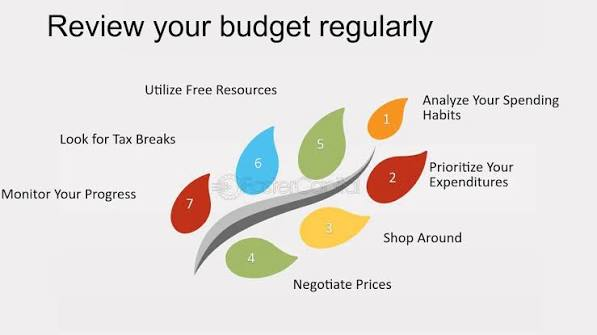
Financial security is an ongoing process. Your income, expenses, family situation, career, goals, and priorities may change.
Set aside time every few months to review your budget and financial progress. Check your savings, debt balances, recurring expenses, insurance coverage, and long-term goals.
A regular review can help you identify problems before they become serious. It can also show you where you are making progress and where adjustments may be necessary.
Final Thoughts
Financial security does not happen overnight. It is built through everyday choices, consistent saving, responsible spending, thoughtful planning, and preparation for unexpected events.
The most important step is simply to begin. Create a budget, establish an emergency fund, manage debt, save regularly, protect yourself from major financial risks, and continue improving your financial knowledge.
You do not need to have a perfect financial situation to start working toward greater security. Even small improvements can become meaningful when they are maintained over months and years.
Ultimately, financial security is about more than money. It is about creating greater stability, reducing unnecessary financial stress, and giving yourself more options when life changes. With a realistic plan and consistent habits, you can gradually build a stronger financial foundation for both your present and your future.