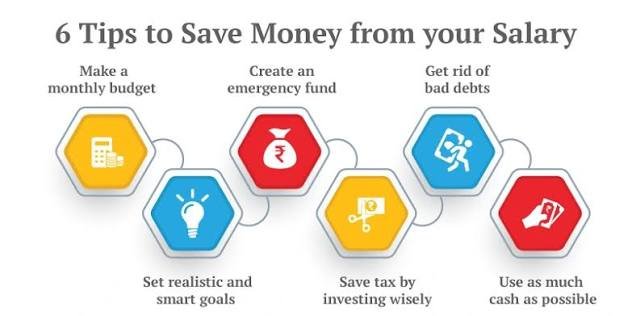
Money planning is one of the most useful habits anyone can develop. Whether you earn a regular salary, run a small business, work as a freelancer, or are simply trying to improve your financial situation, having a clear plan for your money can make everyday life much easier. Without a plan, it is common to spend money without realizing where it goes. With a good strategy, you can organize your income, control expenses, build savings, and work toward important financial goals.
The good news is that money planning does not have to be complicated. You do not need to be a financial expert or use complicated spreadsheets. A simple and realistic approach can help you understand your financial position and make better decisions.
What Is Money Planning?
Money planning is the process of deciding how you will use your income to cover expenses, save for the future, manage debt, and achieve personal financial goals. It gives every part of your income a purpose.
For example, when you receive your monthly income, you might divide it between housing, food, transportation, bills, savings, debt payments, and personal spending. The exact amounts depend on your lifestyle and circumstances.
The main purpose is not to stop yourself from enjoying your money. Instead, money planning helps you spend intentionally instead of spending without direction.
Why Is Money Planning Important?
Many financial problems begin with small decisions that are repeated over time. Buying things you do not need, ignoring bills, using credit without a repayment plan, or failing to save can gradually create financial pressure.
A money plan provides a clearer picture of your financial life. It can help you answer questions such as:
- How much money comes in every month?
- Where does most of my money go?
- How much can I realistically save?
- Which expenses can I reduce?
- What financial goals should I prioritize?
- How can I prepare for unexpected expenses?
When you know the answers, financial decisions become easier. You can also recognize problems before they become serious.
Start by Understanding Your Income
The first step in money planning is knowing how much money you actually have available. Make a list of your regular sources of income.
For someone with a fixed salary, this may be relatively simple. For freelancers, business owners, or people with multiple income sources, monthly income may change. In that situation, it can be helpful to calculate an average based on previous months and create a plan that leaves some room for variation.
It is important to focus on the amount you can realistically use after taxes and other necessary deductions. Planning with money that is not actually available can lead to overspending.
Track Your Expenses
After understanding your income, look at your expenses. This step can reveal spending habits that are difficult to notice otherwise.
Start by separating expenses into two broad categories: essential and non-essential.
Essential expenses may include rent or mortgage payments, groceries, utilities, transportation, insurance, and necessary healthcare costs. Non-essential expenses may include entertainment, restaurant meals, subscriptions, shopping, and other optional purchases.
This does not mean non-essential expenses are bad. Entertainment and hobbies are part of a healthy lifestyle. The goal is simply to understand how much you are spending in each area.
You can track expenses using a notebook, spreadsheet, budgeting application, or another method that is convenient for you. The best system is the one you will actually use consistently.
Create a Realistic Monthly Budget
Once you know your income and expenses, create a monthly budget. A realistic budget should reflect your actual lifestyle rather than an ideal lifestyle.
For example, if you regularly spend money on transportation, groceries, and entertainment, include those categories in your plan. Setting an unrealistically low amount may make the budget difficult to follow.
A simple budget might include:
- Housing
- Utilities
- Food
- Transportation
- Insurance
- Debt payments
- Savings
- Entertainment
- Personal spending
- Other expenses
The amounts will vary from person to person. There is no single budget that works for everyone.
Make Saving Part of Your Plan
Saving is an important part of money planning because it can provide greater financial flexibility. Even small amounts can become meaningful when saved consistently.
Instead of waiting until the end of the month to see what is left, consider treating savings as one of your planned expenses. You can decide on an amount that fits your income and regular obligations.
Some people prefer to automate savings by arranging a transfer shortly after receiving their income. Automation can make saving easier because the money is moved before there is an opportunity to spend it elsewhere.
If your income is limited, do not assume that saving a small amount is pointless. Building the habit can be more important than starting with a large amount.
Build an Emergency Fund
Unexpected expenses can happen at almost any time. A vehicle repair, urgent home expense, temporary loss of income, or other surprise cost can put pressure on your finances.
An emergency fund is money set aside specifically for unexpected situations. It should generally be kept somewhere accessible and separate from money intended for everyday spending.
The amount you need depends on your circumstances, including your income, expenses, job stability, and household responsibilities. If building a large emergency fund feels difficult, start with a smaller target and gradually increase it.
The important idea is to create a financial cushion so that every unexpected expense does not immediately become a major financial problem.
Manage Debt Carefully
Debt can be useful in some situations, but it can also become expensive when it is not managed carefully. Interest charges can make purchases cost much more over time.
As part of your money plan, make a list of your debts, including balances, interest rates, minimum payments, and due dates. This gives you a clearer understanding of your obligations.
Always make required payments on time according to the terms of your accounts. If you have several debts, you can research different repayment strategies and choose an approach that fits your situation.
Avoid taking on new debt simply to maintain spending that your current income cannot comfortably support.
Set Specific Financial Goals
Money planning becomes more meaningful when it is connected to specific goals. A goal gives you a reason to save and manage your spending.
Your goals might include building an emergency fund, paying down debt, saving for education, preparing for a major purchase, starting a business, or planning for retirement.
Try to make goals specific. Instead of saying, “I want to save more money,” decide what you are saving for and how much you would like to set aside.
Breaking a large goal into smaller monthly or weekly targets can make it feel more achievable.
Be Careful With Impulse Spending
Impulse purchases can quietly damage an otherwise good budget. A single small purchase may not seem important, but repeated unnecessary spending can add up.
One useful technique is to give yourself time before making non-essential purchases. If you see something you want, wait before buying it and ask yourself whether you actually need it, whether it fits your budget, and whether you would still want it after a few days.
This simple pause can reduce unnecessary spending without requiring you to eliminate shopping completely.
Review Your Money Plan Regularly
A money plan should not remain unchanged forever. Your income, expenses, family situation, goals, and priorities can all change.
Set aside some time each month to review your finances. Compare your planned spending with your actual spending. Look for categories where you consistently spend more or less than expected.
You can then adjust your budget for the next month.
A regular review also gives you an opportunity to celebrate progress. Paying down debt, increasing savings, or successfully staying within a spending limit are all signs that your financial habits are improving.
Use Technology to Make Planning Easier
Modern technology can make money planning more convenient. Budgeting apps, banking tools, spreadsheets, and automatic payment systems can help you organize financial information.
However, technology is only a tool. An expensive app is not necessary if a simple spreadsheet works better for you.
When using financial applications or online services, pay attention to privacy, security, fees, and the information you are sharing. Use strong passwords and appropriate security features to help protect your financial accounts.
Common Money Planning Mistakes
Even people who create budgets can make mistakes. One common mistake is creating a plan that is too strict. If your budget leaves no room for occasional enjoyment, it may become difficult to maintain.
Another mistake is forgetting irregular expenses. Annual subscriptions, vehicle maintenance, gifts, school costs, and seasonal expenses can all affect your finances.
Some people also focus entirely on reducing spending while ignoring income growth. Depending on your situation, improving skills, negotiating compensation, taking on additional work, or developing another income source may also be worth considering.
Finally, avoid comparing your financial progress with someone else’s. Everyone has different income levels, responsibilities, priorities, and starting points.
Simple Tips for Better Money Planning
If you want to improve your financial habits, start with a few simple actions:
- Know your monthly income.
- Track your spending.
- Separate essential and optional expenses.
- Create a realistic monthly budget.
- Save regularly, even if the amount is small.
- Keep an emergency fund.
- Review your debts and repayment obligations.
- Set clear financial goals.
- Think carefully before making impulse purchases.
- Review and update your plan every month.
You do not need to change everything at once. Small improvements that you can maintain are often more useful than a complicated plan that you abandon after a few weeks.
Final Thoughts
Money planning is ultimately about giving your money a clear purpose. It can help you understand your spending, prepare for unexpected expenses, build savings, manage debt, and move toward your financial goals.
The most effective plan is not necessarily the most complicated one. It is a plan that reflects your real income, realistic expenses, personal priorities, and future goals.
Start by understanding where your money goes. Then create a budget, make saving a regular habit, manage debt responsibly, and review your progress regularly. Over time, these simple habits can help you become more confident and organized with your finances.
Remember that financial planning is a personal process. What works for one household may not work for another. Take your income, expenses, responsibilities, and goals into account when making decisions. If your financial situation is complex, consider seeking advice from a qualified financial professional who can provide guidance based on your individual circumstances.
Money planning is one of the most useful habits anyone can develop. Whether you earn a regular salary, run a small business, work as a freelancer, or are simply trying to improve your financial situation, having a clear plan for your money can make everyday life much easier. Without a plan, it is common to spend money without realizing where it goes. With a good strategy, you can organize your income, control expenses, build savings, and work toward important financial goals.
The good news is that money planning does not have to be complicated. You do not need to be a financial expert or use complicated spreadsheets. A simple and realistic approach can help you understand your financial position and make better decisions.
What Is Money Planning?
Money planning is the process of deciding how you will use your income to cover expenses, save for the future, manage debt, and achieve personal financial goals. It gives every part of your income a purpose.
For example, when you receive your monthly income, you might divide it between housing, food, transportation, bills, savings, debt payments, and personal spending. The exact amounts depend on your lifestyle and circumstances.
The main purpose is not to stop yourself from enjoying your money. Instead, money planning helps you spend intentionally instead of spending without direction.
Why Is Money Planning Important?
Many financial problems begin with small decisions that are repeated over time. Buying things you do not need, ignoring bills, using credit without a repayment plan, or failing to save can gradually create financial pressure.
A money plan provides a clearer picture of your financial life. It can help you answer questions such as:
- How much money comes in every month?
- Where does most of my money go?
- How much can I realistically save?
- Which expenses can I reduce?
- What financial goals should I prioritize?
- How can I prepare for unexpected expenses?
When you know the answers, financial decisions become easier. You can also recognize problems before they become serious.
Start by Understanding Your Income
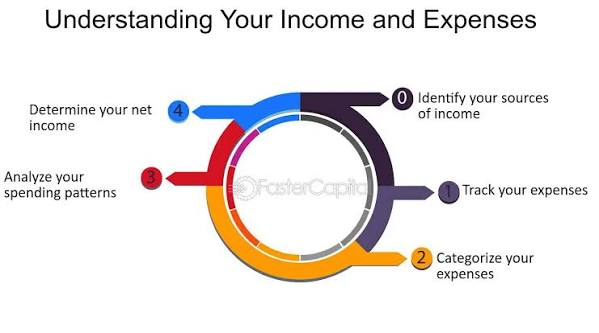
The first step in money planning is knowing how much money you actually have available. Make a list of your regular sources of income.
For someone with a fixed salary, this may be relatively simple. For freelancers, business owners, or people with multiple income sources, monthly income may change. In that situation, it can be helpful to calculate an average based on previous months and create a plan that leaves some room for variation.
It is important to focus on the amount you can realistically use after taxes and other necessary deductions. Planning with money that is not actually available can lead to overspending.
Track Your Expenses
After understanding your income, look at your expenses. This step can reveal spending habits that are difficult to notice otherwise.
Start by separating expenses into two broad categories: essential and non-essential.
Essential expenses may include rent or mortgage payments, groceries, utilities, transportation, insurance, and necessary healthcare costs. Non-essential expenses may include entertainment, restaurant meals, subscriptions, shopping, and other optional purchases.
This does not mean non-essential expenses are bad. Entertainment and hobbies are part of a healthy lifestyle. The goal is simply to understand how much you are spending in each area.
You can track expenses using a notebook, spreadsheet, budgeting application, or another method that is convenient for you. The best system is the one you will actually use consistently.
Create a Realistic Monthly Budget
Once you know your income and expenses, create a monthly budget. A realistic budget should reflect your actual lifestyle rather than an ideal lifestyle.
For example, if you regularly spend money on transportation, groceries, and entertainment, include those categories in your plan. Setting an unrealistically low amount may make the budget difficult to follow.
A simple budget might include:
- Housing
- Utilities
- Food
- Transportation
- Insurance
- Debt payments
- Savings
- Entertainment
- Personal spending
- Other expenses
The amounts will vary from person to person. There is no single budget that works for everyone.
Make Saving Part of Your Plan
Saving is an important part of money planning because it can provide greater financial flexibility. Even small amounts can become meaningful when saved consistently.
Instead of waiting until the end of the month to see what is left, consider treating savings as one of your planned expenses. You can decide on an amount that fits your income and regular obligations.
Some people prefer to automate savings by arranging a transfer shortly after receiving their income. Automation can make saving easier because the money is moved before there is an opportunity to spend it elsewhere.
If your income is limited, do not assume that saving a small amount is pointless. Building the habit can be more important than starting with a large amount.
Build an Emergency Fund
Unexpected expenses can happen at almost any time. A vehicle repair, urgent home expense, temporary loss of income, or other surprise cost can put pressure on your finances.
An emergency fund is money set aside specifically for unexpected situations. It should generally be kept somewhere accessible and separate from money intended for everyday spending.
The amount you need depends on your circumstances, including your income, expenses, job stability, and household responsibilities. If building a large emergency fund feels difficult, start with a smaller target and gradually increase it.
The important idea is to create a financial cushion so that every unexpected expense does not immediately become a major financial problem.
Manage Debt Carefully
Debt can be useful in some situations, but it can also become expensive when it is not managed carefully. Interest charges can make purchases cost much more over time.
As part of your money plan, make a list of your debts, including balances, interest rates, minimum payments, and due dates. This gives you a clearer understanding of your obligations.
Always make required payments on time according to the terms of your accounts. If you have several debts, you can research different repayment strategies and choose an approach that fits your situation.
Avoid taking on new debt simply to maintain spending that your current income cannot comfortably support.
Set Specific Financial Goals
Money planning becomes more meaningful when it is connected to specific goals. A goal gives you a reason to save and manage your spending.
Your goals might include building an emergency fund, paying down debt, saving for education, preparing for a major purchase, starting a business, or planning for retirement.
Try to make goals specific. Instead of saying, “I want to save more money,” decide what you are saving for and how much you would like to set aside.
Breaking a large goal into smaller monthly or weekly targets can make it feel more achievable.
Be Careful With Impulse Spending
Impulse purchases can quietly damage an otherwise good budget. A single small purchase may not seem important, but repeated unnecessary spending can add up.
One useful technique is to give yourself time before making non-essential purchases. If you see something you want, wait before buying it and ask yourself whether you actually need it, whether it fits your budget, and whether you would still want it after a few days.
This simple pause can reduce unnecessary spending without requiring you to eliminate shopping completely.
Review Your Money Plan Regularly
A money plan should not remain unchanged forever. Your income, expenses, family situation, goals, and priorities can all change.
Set aside some time each month to review your finances. Compare your planned spending with your actual spending. Look for categories where you consistently spend more or less than expected.
You can then adjust your budget for the next month.
A regular review also gives you an opportunity to celebrate progress. Paying down debt, increasing savings, or successfully staying within a spending limit are all signs that your financial habits are improving.
Use Technology to Make Planning Easier
Modern technology can make money planning more convenient. Budgeting apps, banking tools, spreadsheets, and automatic payment systems can help you organize financial information.
However, technology is only a tool. An expensive app is not necessary if a simple spreadsheet works better for you.
When using financial applications or online services, pay attention to privacy, security, fees, and the information you are sharing. Use strong passwords and appropriate security features to help protect your financial accounts.
Common Money Planning Mistakes
Even people who create budgets can make mistakes. One common mistake is creating a plan that is too strict. If your budget leaves no room for occasional enjoyment, it may become difficult to maintain.
Another mistake is forgetting irregular expenses. Annual subscriptions, vehicle maintenance, gifts, school costs, and seasonal expenses can all affect your finances.
Some people also focus entirely on reducing spending while ignoring income growth. Depending on your situation, improving skills, negotiating compensation, taking on additional work, or developing another income source may also be worth considering.
Finally, avoid comparing your financial progress with someone else’s. Everyone has different income levels, responsibilities, priorities, and starting points.
Simple Tips for Better Money Planning
If you want to improve your financial habits, start with a few simple actions:
- Know your monthly income.
- Track your spending.
- Separate essential and optional expenses.
- Create a realistic monthly budget.
- Save regularly, even if the amount is small.
- Keep an emergency fund.
- Review your debts and repayment obligations.
- Set clear financial goals.
- Think carefully before making impulse purchases.
- Review and update your plan every month.
You do not need to change everything at once. Small improvements that you can maintain are often more useful than a complicated plan that you abandon after a few weeks.
Frequently Asked Questions About Money Planning
1. What is money planning?
Money planning is the process of managing your income, expenses, savings, debt, and financial goals. It helps you decide where your money should go and avoid unnecessary spending.
2. Why is money planning important?
Money planning helps you control your spending, build savings, prepare for unexpected expenses, manage debt, and work toward long-term financial goals.
3. How can I start money planning?
Start by calculating your monthly income and tracking your expenses. Then create a realistic budget, set savings goals, and review your spending regularly.
4. How much money should I save each month?
There is no single amount that works for everyone. The right amount depends on your income, expenses, debts, and goals. Even saving a small amount consistently can help build a strong financial habit.
5. How often should I review my money plan?
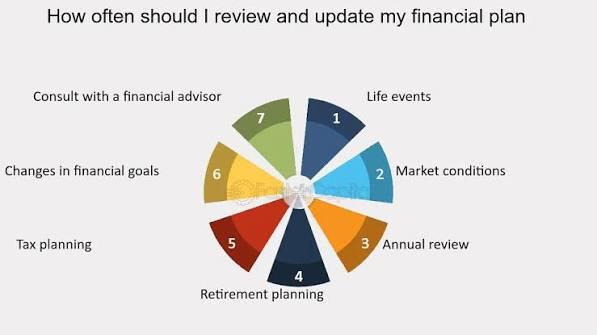
Reviewing your money plan once a month is a good starting point. Regular reviews allow you to adjust your budget when your income, expenses, or financial goals change.
Final Thoughts
Money planning is ultimately about giving your money a clear purpose. It can help you understand your spending, prepare for unexpected expenses, build savings, manage debt, and move toward your financial goals.
The most effective plan is not necessarily the most complicated one. It is a plan that reflects your real income, realistic expenses, personal priorities, and future goals.
Start by understanding where your money goes. Then create a budget, make saving a regular habit, manage debt responsibly, and review your progress regularly. Over time, these simple habits can help you become more confident and organized with your finances.
Remember that financial planning is a personal process. What works for one household may not work for another. Take your income, expenses, responsibilities, and goals into account when making decisions. If your financial situation is complex, consider seeking advice from a qualified financial professional who can provide guidance based on your individual circumstances.