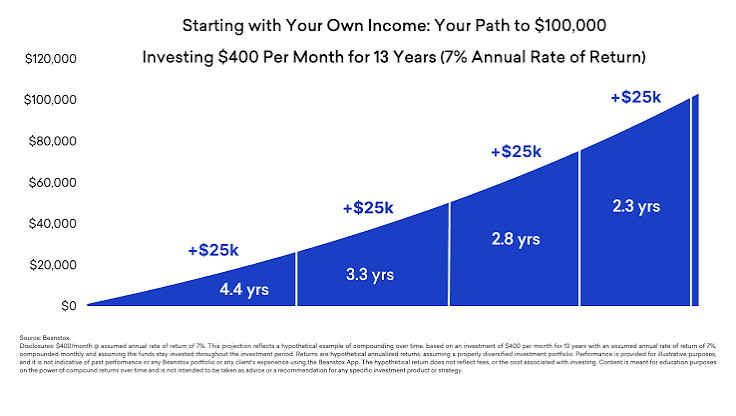
Monthly investing is one of the simplest ways to build long-term wealth without needing a large amount of money upfront. Instead of waiting until you have a significant sum to invest, you contribute a fixed amount regularly—usually every month—and allow your investments to grow over time.
The idea is straightforward: consistency matters more than trying to find the perfect time to invest.
Whether you are a beginner, a working professional, a parent saving for the future, or someone planning for retirement, monthly investing can help you develop a disciplined approach to managing your money.
What Is Monthly Investing?
Monthly investing means putting a predetermined amount of money into an investment on a regular monthly schedule.
For example, suppose you decide to invest $200 every month. You could automatically transfer that amount from your bank account into an investment account and use it to purchase assets such as stocks, bonds, mutual funds, or exchange-traded funds (ETFs).
The exact investment you choose depends on your financial goals, risk tolerance, time horizon, and personal circumstances.
The main advantage is that you do not need to predict what the market will do tomorrow. Instead, you continue investing according to your plan.
How Does Monthly Investing Work?
Monthly investing can be organized around a simple routine:
- Decide how much you can comfortably invest each month.
- Choose an appropriate investment account.
- Select investments that match your goals and risk tolerance.
- Set up automatic monthly contributions if available.
- Review your strategy periodically.
- Continue investing for the long term.
For instance, someone earning a regular salary might choose to invest $300 every month. Another person with a smaller budget might start with $50 or $100.
There is no universal monthly investment amount. The important thing is to choose an amount that does not interfere with essential expenses, emergency savings, or high-priority financial obligations.
Why Is Monthly Investing Important?
One of the biggest challenges for investors is consistency. People may invest when markets are rising but become nervous when prices fall. A monthly investing strategy can create a routine that reduces the temptation to make decisions based entirely on short-term market movements.
Regular investing also makes saving and investing part of your normal financial habits.
Over several years, even relatively small contributions can become meaningful because your money has more time to potentially grow.
The Power of Compound Growth
Compound growth is an important reason long-term investing can be powerful.
When an investment earns a return, those returns may themselves generate additional returns over time. The longer your money remains invested, the more opportunity there is for this process to work.
For example, imagine investing $200 every month for many years. You are not simply relying on the original contributions. If the investments generate returns and those returns remain invested, the account may grow faster than it would through contributions alone.
However, investment returns are never guaranteed. Markets can rise and fall, and past performance does not guarantee future results.
Monthly Investing and Dollar-Cost Averaging
Monthly investing is often associated with a strategy called dollar-cost averaging.
With dollar-cost averaging, an investor invests a similar amount at regular intervals regardless of whether market prices are high or low.
When prices are lower, the same amount of money can purchase more shares. When prices are higher, it purchases fewer shares.
This approach can help reduce the pressure of trying to determine the perfect time to enter the market.
It does not eliminate investment risk, and it does not guarantee a profit. Nevertheless, it can provide a structured way for investors to remain consistent.
How Much Should You Invest Each Month?
There is no single answer that works for everyone.
Your monthly investing amount should consider:
- Your income
- Essential living expenses
- Existing debt
- Emergency savings
- Financial goals
- Investment time horizon
- Risk tolerance
Someone with a high income and low expenses may be able to invest a larger percentage of their income. Someone who is paying off significant debt or building an emergency fund may need to invest less initially.
Starting with a manageable amount is often better than choosing an unrealistic amount and stopping after a few months.
You can also increase your contribution when your income rises.
Where Can You Invest Monthly?
There are many different investment options available, and each has different levels of risk and potential return.
Stocks
Stocks represent ownership in companies. They can provide long-term growth potential, but their prices can fluctuate significantly.
Individual stocks may require more research because the performance of one company can have a major impact on your investment.
ETFs
Exchange-traded funds can hold a collection of stocks, bonds, or other assets. Some ETFs are designed to track broad market indexes.
Because an ETF can contain many investments, it may provide diversification compared with buying shares of only one company.
Mutual Funds
Mutual funds pool money from many investors and invest according to a particular strategy.
Some funds focus on stocks, while others focus on bonds or a combination of assets.
Bonds
Bonds are debt investments. Governments and companies can issue bonds to raise money.
Bonds are generally considered less volatile than stocks, although they still carry risks, including interest-rate and credit risk.
Retirement Accounts
Depending on where you live, retirement accounts may provide tax advantages for long-term investing.
The rules, contribution limits, taxes, and withdrawal conditions vary by country and account type, so investors should understand the specific rules that apply to them.
Benefits of Monthly Investing
Monthly investing offers several potential benefits.
1. Encourages Financial Discipline
Automatic contributions can turn investing into a regular habit. You do not have to make a new decision every month.
2. Makes Investing More Accessible
You do not necessarily need thousands of dollars to begin. Many investment platforms allow investors to start with relatively small amounts.
3. Reduces Emotional Decisions
Following a predetermined schedule can make it easier to avoid constantly reacting to market headlines.
4. Supports Long-Term Goals
Regular contributions can help you work toward goals such as retirement, education, buying a home, or building long-term wealth.
5. Creates a Repeatable System
A simple monthly routine can be easier to maintain than occasional large investments.
Common Mistakes to Avoid

Monthly investing can be useful, but investors should still avoid several common mistakes.
Investing Money You Need Soon
Money needed for rent, bills, emergencies, or other short-term obligations generally should not be exposed to unnecessary investment risk.
Ignoring Fees
Investment fees can reduce long-term returns. Before choosing an investment platform or fund, understand the fees involved.
Chasing Quick Profits
Investing is different from trying to make fast money. Frequently buying and selling based on rumors or social media trends can increase risk.
Having No Emergency Fund
An unexpected expense can force you to sell investments at an inconvenient time. Building an appropriate emergency reserve can provide financial flexibility.
Checking Your Portfolio Constantly
Markets naturally move up and down. Looking at your portfolio every few hours can encourage emotional decisions.
How to Start a Monthly Investing Plan
Starting does not need to be complicated.
First, define your financial goal. Ask yourself why you are investing and when you expect to need the money.
Next, determine how much you can contribute each month without creating financial stress.
Then research suitable investment accounts and diversified investments. Understand the risks, costs, and tax implications before committing your money.
After that, consider automating your contribution. Automation can help ensure that investing happens consistently instead of depending on motivation.
Finally, review your plan periodically. Your income, goals, expenses, and risk tolerance may change over time.
Example of a Monthly Investing Plan
Imagine an investor decides to contribute $250 every month.
Instead of trying to predict whether the market will rise or fall, the investor makes the contribution on the same date each month.
Some months, investment prices may be higher. Other months, prices may be lower. Over time, the investor continues purchasing according to the plan.
If the investor’s financial situation improves, they might increase the monthly contribution from $250 to $300 or $400.
The example is only an illustration. Actual investment results can vary substantially depending on the assets selected, market performance, fees, taxes, and investment period.
Is Monthly Investing Good for Beginners?
Monthly investing can be particularly attractive to beginners because it provides a simple structure.
Instead of trying to understand every market movement, a beginner can focus on developing good financial habits, learning about diversification, understanding risk, and investing consistently.
However, beginners should not invest simply because someone promises guaranteed returns. Every investment carries some level of risk.
Learning the basics before investing is an important step.
Monthly Investing for Long-Term Wealth
The real strength of monthly investing is often its long-term nature.
Consider an investor who starts early and contributes consistently for decades. Their total contributions can become substantial, and any investment growth may have more time to compound.
This is why time can be one of an investor’s most valuable resources.
Starting with a small amount does not mean your strategy has to remain small forever. As your career develops and your financial situation changes, you can potentially increase your contributions.
Frequently Asked Questions
Can I start monthly investing with a small amount?
Yes. The minimum amount depends on the investment platform and investment you choose. Some platforms allow relatively small recurring contributions.
Is monthly investing safe?
No investment strategy is completely risk-free. Monthly investing is simply a method of investing regularly. The risk depends largely on the investments you choose.
Should I invest every month or wait for the market to fall?
Trying to predict market bottoms is extremely difficult. A consistent strategy can help investors avoid making decisions based entirely on short-term market movements.
Can monthly investing make me rich?
There is no guaranteed path to becoming wealthy through investing. Long-term wealth depends on factors such as contribution amount, investment performance, fees, taxes, time, and financial discipline.
What is the best investment for monthly investing?
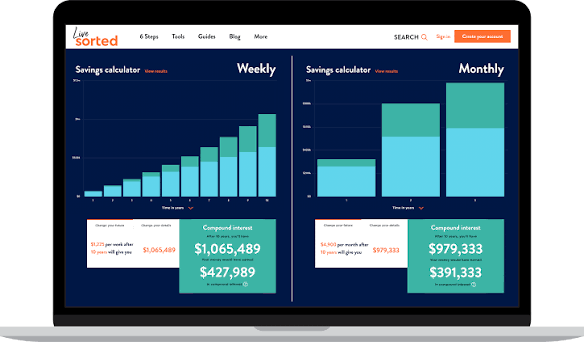
There is no single best investment for everyone. The right choice depends on your goals, risk tolerance, time horizon, diversification needs, and financial circumstances.
Final Thoughts
Monthly investing is not about becoming wealthy overnight. It is about creating a repeatable financial habit and giving your money time to potentially grow.
By investing an affordable amount regularly, maintaining diversification, understanding risk, controlling unnecessary costs, and focusing on long-term goals, you can create a structured approach to investing.
The most important step is to build a plan that fits your own financial situation. Start with an amount you can maintain, continue learning, and review your strategy as your circumstances change.
Remember: investing involves risk, and you can lose money. Consider your financial circumstances and, when appropriate, seek advice from a qualified financial professional before making investment decisions.