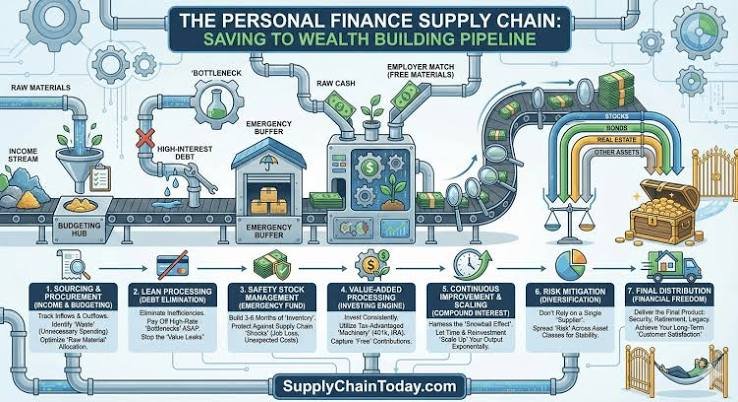
Investing is one of the most effective ways to grow your money over time, but many people hesitate to invest because they are worried about losing their savings. The good news is that safe investing does not mean avoiding investments completely. Instead, it means making thoughtful decisions, understanding risk, diversifying your money, and choosing investments that match your financial goals.
Whether you are a beginner or already have some investment experience, learning the basics of safe investing can help you make more confident financial decisions. No investment is completely risk-free, but there are strategies that can reduce unnecessary risk and help protect your wealth.
What Does Safe Investing Mean?
Safe investing generally refers to an investment approach focused on managing risk while seeking reasonable long-term returns. It involves understanding where your money is going, avoiding decisions based purely on emotion, and selecting investments that fit your financial situation.
For example, someone saving money for a house within the next year may have a very different investment strategy from someone saving for retirement 30 years from now. The shorter the time frame, the more important it can be to consider investments designed to preserve capital.
Safe investing is therefore not about finding an investment that can never lose value. Instead, it is about balancing risk, return, time, and financial goals.
Why Is Safe Investing Important?
Investing without a plan can expose your money to unnecessary risks. Some investors chase quick profits, follow online trends, or put too much money into a single investment. These approaches can produce large losses, particularly when markets become unpredictable.
A safer approach starts with a clear understanding of your personal finances. Before investing, consider whether you have enough money available for everyday expenses and unexpected emergencies. An emergency fund can help prevent you from selling investments at an inconvenient time when you suddenly need cash.
Safe investing can also help reduce emotional decision-making. Markets naturally move up and down. Investors who have a long-term strategy are often better prepared to handle temporary market declines without making rushed decisions.
Start With Your Financial Goals
One of the first steps toward safe investing is defining your financial goals.
Ask yourself why you are investing. You may want to:
- Build retirement savings
- Save for a home
- Fund education
- Create long-term wealth
- Generate additional income
- Protect purchasing power against inflation
Your goal determines how much risk may be appropriate. A long-term retirement portfolio may have more room for investments with higher fluctuations, while money needed for a short-term purchase generally requires greater attention to stability and liquidity.
Writing down your goals can make your investment strategy easier to follow.
Understand Your Risk Tolerance
Risk tolerance is another important part of safe investing. It describes how comfortable you are with the possibility that an investment may temporarily or permanently lose value.
Some people can tolerate significant market fluctuations because they have a long investment horizon and stable finances. Others may become uncomfortable when their portfolio falls even a small amount.
Neither approach is automatically right or wrong. The key is finding an investment strategy that you can realistically maintain.
If an investment causes you so much stress that you sell it during every market decline, the investment may not be suitable for your situation, even if it has strong long-term potential.
Diversification Can Reduce Risk
Diversification is one of the most widely used principles of risk management.
Instead of putting all your money into one company, industry, or asset, diversification spreads investments across different areas. The idea is simple: if one investment performs poorly, other investments may help balance the overall portfolio.
For example, an investor might hold a combination of stocks, bonds, cash or cash equivalents, and other suitable assets. Within the stock portion, diversification can also involve different companies, industries, and geographic markets.
Diversification does not guarantee profits and cannot eliminate investment losses. However, it can reduce the impact of relying too heavily on a single investment.
Consider Lower-Risk Investment Options
People searching for safe investing opportunities often consider assets that are generally less volatile than individual stocks.
Depending on your goals and circumstances, these may include savings accounts, certificates of deposit, government securities, high-quality bonds, and diversified funds.
Each option has different characteristics. Some may offer greater stability but lower potential returns, while others may provide higher growth potential with greater fluctuations.
For example, cash-based savings products can be useful for short-term needs, while diversified investments may be more appropriate for long-term goals. Understanding the purpose of each investment is more important than simply choosing whatever appears safest.
Think Long Term
One of the biggest mistakes investors make is focusing too much on short-term market movements.
Financial markets can rise and fall for many reasons, including economic conditions, interest rates, company performance, geopolitical developments, and investor sentiment. Trying to predict every market movement is extremely difficult.
A long-term approach can help investors avoid reacting emotionally to temporary changes. Instead of constantly checking prices, long-term investors can focus on whether their portfolio continues to match their goals and risk tolerance.
This does not mean ignoring your investments. It means reviewing them periodically rather than making frequent decisions based on fear or excitement.
Be Careful With Promises of High Returns
A basic rule of safe investing is to be skeptical of opportunities that promise unusually high returns with little or no risk.
Generally, higher potential returns come with higher levels of risk. If someone claims that you can earn large profits quickly without any possibility of losing money, that should be a warning sign.
Before investing, research the investment, understand how it generates returns, and verify who is offering it. Avoid making financial decisions simply because someone on social media, a friend, or an online influencer says an opportunity is guaranteed.
Pressure to act immediately is another warning sign. Legitimate investment decisions usually deserve careful consideration rather than rushed action.
Watch Out for Investment Scams

Investment scams can appear in many forms. Fraudsters may use fake websites, misleading advertisements, social media accounts, or convincing messages to make opportunities look legitimate.
Common warning signs include guaranteed profits, unrealistic returns, pressure to send money immediately, requests for unusual payment methods, and limited information about the company or investment.
Before giving anyone your money, independently research the investment and the people behind it. Do not rely solely on testimonials or promotional material provided by the seller.
If you do not understand how an investment works, take time to learn about it before committing your money.
Keep Investment Costs in Mind
Fees can have a significant effect on investment results over long periods. Even relatively small annual costs can reduce the amount of money that remains invested and compounds over time.
When comparing investment products, look at management fees, transaction costs, account fees, and other applicable expenses.
Lower cost does not automatically mean better, but investors should understand what they are paying for. A product with complicated fees can make it harder to determine whether it is actually suitable for your goals.
Avoid Putting All Your Money Into One Investment
Concentration can create unnecessary risk. If most of your savings depend on one company, one cryptocurrency, one property, or another single asset, a major decline in that investment could have a serious impact on your financial position.
A diversified strategy spreads risk rather than depending on one outcome.
This is particularly important for beginners. It can be tempting to invest heavily in something that has recently performed well, but past performance does not guarantee future results.
Review Your Portfolio Regularly
Safe investing is not a one-time decision. Your income, expenses, goals, age, and financial responsibilities can change over time.
Review your investments periodically to make sure they still match your objectives. You may need to adjust your portfolio when your circumstances change.
However, regular review does not mean constantly buying and selling. Excessive trading can increase costs and may encourage emotional decisions.
A simple, disciplined review process can often be more useful than reacting to every piece of financial news.
Build Knowledge Before Taking Bigger Risks
Financial education is one of the most valuable tools available to investors.
Learn basic concepts such as compound growth, inflation, diversification, asset allocation, investment fees, taxes, and risk. The more you understand, the easier it becomes to identify investments that may not fit your needs.
Beginners do not need to understand every financial product available. Start with the fundamentals and gradually expand your knowledge.
If you are considering a complex investment or making a major financial decision, consulting a qualified financial professional may also be worthwhile.
Safe Investing Is About Discipline
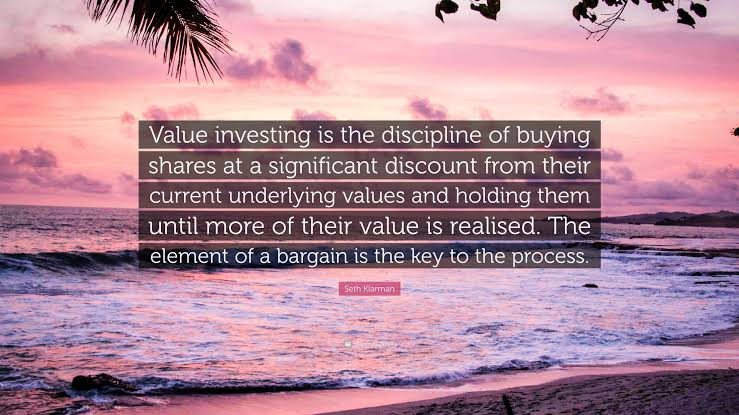
There is no investment that can guarantee wealth without risk. The goal of safe investing is to make sensible choices that protect your financial future as much as reasonably possible.
A disciplined investor focuses on goals rather than hype, diversification rather than concentration, and long-term planning rather than short-term excitement.
The strongest investment strategy is often one that you can understand, afford, and stick with through different market conditions.
Final Thoughts
Safe investing is less about finding a perfect investment and more about developing a responsible financial strategy. Start by understanding your goals, creating a suitable financial foundation, evaluating your risk tolerance, diversifying your investments, controlling costs, and staying alert to scams.
Remember that every investment carries some level of risk. Before investing, consider your individual circumstances and conduct your own research. What works for one investor may not be appropriate for another.
By focusing on education, patience, diversification, and realistic expectations, you can create an investment approach designed to support your long-term financial goals while avoiding unnecessary risks.