
Saving money can sometimes feel difficult, especially when everyday expenses continue to increase. Rent, groceries, utility bills, transportation, subscriptions, and unexpected costs can quickly consume a large part of your income. However, saving does not always require earning a huge salary or making extreme lifestyle changes. With the right habits and a little consistency, even small amounts can make a meaningful difference over time.
The key to successful saving is to understand where your money goes and make intentional decisions about how you spend it. Whether you want to build an emergency fund, pay off debt, prepare for a major purchase, or simply feel more financially secure, these practical saving tips can help you get started.
1. Create a Realistic Monthly Budget
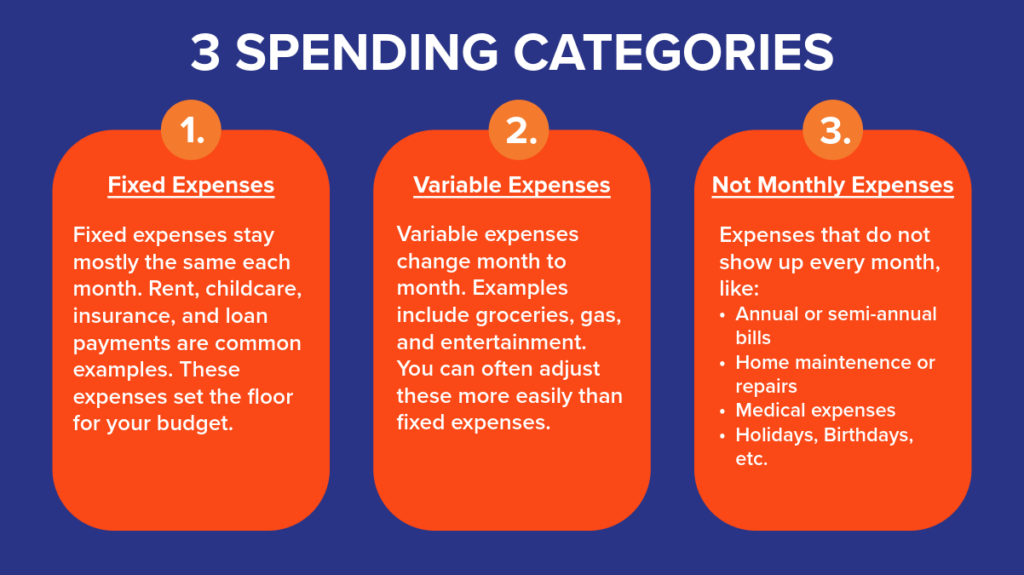
One of the most effective saving tips is to create a budget that reflects your actual lifestyle. Start by listing your monthly income and essential expenses, including housing, food, transportation, utilities, insurance, and debt payments.
After covering your necessities, look at how much remains for entertainment, shopping, and savings. A realistic budget is easier to follow than one that cuts out everything you enjoy.
2. Track Every Expense
Small purchases can easily go unnoticed. A coffee here, a snack there, or an occasional online purchase may not seem significant individually, but these expenses can add up over an entire month.
For at least 30 days, record everything you spend. You may discover spending patterns that you were not aware of. Once you know where your money is going, it becomes much easier to decide what can be reduced.
3. Set a Specific Savings Goal
Saving becomes easier when you have a clear reason for doing it. Instead of simply saying, “I want to save money,” choose a specific goal.
For example, you might want to save $1,000 for emergencies, build a vacation fund, purchase a car, or save for a future home. Give your goal a target amount and a deadline. A specific objective can make it easier to stay motivated.
4. Pay Yourself First
Many people wait until the end of the month to save whatever money is left. Unfortunately, there is often very little left by then.
A better approach is to treat savings like a regular bill. When you receive your paycheck, move a predetermined amount into your savings account before spending on nonessential items. Even a small automatic transfer can gradually build a useful financial cushion.
5. Reduce Unnecessary Subscriptions
Take a close look at your recurring subscriptions. Streaming services, apps, memberships, gaming services, and other monthly charges can quietly consume hundreds of dollars each year.
Ask yourself whether you regularly use each service. If you have several subscriptions that you rarely use, canceling even a few can immediately reduce your monthly expenses.
6. Cook More Meals at Home
Eating at restaurants and ordering takeout can be convenient, but doing it frequently can become expensive. Cooking at home is often one of the simplest ways to lower food costs.
You do not need to prepare complicated meals. Plan a few affordable recipes each week, buy ingredients in sensible quantities, and prepare extra portions that can be used for lunch the next day.
7. Make a Shopping List
Impulse purchases can seriously affect a budget. Before going grocery shopping, make a list and try to stick to it.
A shopping list helps you focus on what you actually need instead of buying items simply because they look appealing. Checking your pantry and refrigerator before shopping can also prevent you from purchasing duplicate products.
8. Compare Prices Before Buying
Do not automatically purchase an item from the first store you visit. Compare prices between different retailers, especially for larger purchases.
Online price comparisons can also help you identify better deals. However, remember that the cheapest option is not always the best value. Consider quality, durability, warranties, and long-term usefulness before making a decision.
9. Use the 24-Hour Rule
If you see something you want but do not actually need, wait 24 hours before buying it. For expensive purchases, consider waiting even longer.
This simple habit gives you time to decide whether the purchase is genuinely useful or simply an impulse. You may be surprised by how often the desire to buy something disappears after a little time.
10. Build an Emergency Fund
Unexpected expenses can make saving difficult if you have no financial backup. A car repair, home expense, temporary loss of income, or other emergency can quickly force you to rely on credit cards or loans.
An emergency fund provides a financial safety net. Start with a small target if necessary. Once you reach your first milestone, continue building the fund according to your circumstances and financial goals.
11. Save Automatically
Automation can make saving almost effortless. Set up an automatic transfer from your checking account to your savings account on or shortly after payday.
Because the money moves automatically, you are less likely to spend it first. Over time, this turns saving into a routine rather than something you have to remember every month.
12. Reduce Energy Costs
Small changes at home can help lower utility expenses. Turn off lights when they are not needed, unplug devices that consume unnecessary power, use energy-efficient lighting, and adjust heating or cooling settings when appropriate.
You do not have to make major changes all at once. Focus on simple habits that you can maintain consistently.
13. Avoid Unnecessary Debt
High-interest debt can make it much harder to build savings. Credit card balances, in particular, can become expensive when they are carried from month to month.
Whenever possible, avoid borrowing for purchases that you cannot comfortably afford. If you already have debt, consider creating a repayment strategy while continuing to maintain some savings for unexpected expenses.
14. Review Your Insurance and Bills
Regularly review recurring bills to make sure you are not paying for services you no longer need. Depending on your circumstances, you may also be able to compare providers or negotiate certain costs.
Even saving a small amount on several monthly bills can create a noticeable difference over a year.
15. Try a No-Spend Challenge
A no-spend challenge can be a useful way to reset your spending habits. Choose a specific period, such as one week, during which you avoid nonessential purchases.
You can still pay for necessities such as housing, food, transportation, and required bills. The goal is to temporarily eliminate unnecessary spending and become more aware of your purchasing habits.
16. Use Cash for Certain Spending Categories
Some people find it easier to control spending when they use a fixed amount of cash for categories such as entertainment or dining out.
Once the allocated amount is gone, you stop spending in that category until the next budget period. This method can provide a clear physical limit and make overspending more noticeable.
17. Shop Secondhand
Not everything needs to be purchased new. Clothing, furniture, books, electronics, and other items can sometimes be found at significantly lower prices when purchased secondhand.
Before buying something new, consider whether a used item in good condition could meet the same need.
18. Learn to Distinguish Wants From Needs
One of the most valuable saving habits is learning the difference between a need and a want. Needs are expenses required for basic living and responsibilities, while wants are purchases that improve comfort or enjoyment.
You do not need to eliminate every want. Instead, prioritize them and make sure they fit within your budget.
19. Increase Your Income When Possible
Saving is only one side of improving your finances. Increasing your income can also create more room for savings.
Depending on your skills and circumstances, you might consider freelance work, part-time work, selling unused belongings, or developing skills that could lead to better employment opportunities. Even temporary additional income can help you reach a financial goal faster.
20. Avoid Lifestyle Inflation
When your income increases, it can be tempting to immediately increase your spending. This is known as lifestyle inflation.
Instead of spending every additional dollar, consider directing at least part of an income increase toward savings, debt repayment, or another financial goal. This allows your financial position to improve as your earnings grow.
21. Have a Weekly Money Check-In
You do not need to spend hours managing your finances. Set aside 15 to 20 minutes once a week to review your spending, upcoming bills, and savings progress.
Regular check-ins help you catch problems early and keep your financial goals visible.
22. Use Savings Challenges
Savings challenges can make the process more interesting. For example, you might gradually increase the amount you save each week or choose a monthly savings target.
The specific challenge matters less than consistency. Choose a method that fits your income and does not create unnecessary financial stress.
23. Avoid Comparing Your Lifestyle With Others
Social media can make it seem as though everyone is traveling, buying expensive products, and enjoying a luxurious lifestyle. Trying to keep up with other people’s spending can quickly damage your financial goals.
Focus on your own priorities instead. Financial progress is personal, and a lifestyle that looks impressive online may not reflect someone’s actual financial situation.
24. Celebrate Small Financial Wins
Saving money should not feel like constant punishment. Celebrate milestones in sensible ways when you reach them.
If you successfully save your first $500, pay off a debt, or complete a month within your budget, recognize the achievement. Positive reinforcement can help turn temporary efforts into long-term habits.
25. Stay Consistent

Perhaps the most important of all saving tips is consistency. You do not need to make perfect financial decisions every day. What matters is building habits that you can maintain over months and years.
Saving $20 or $50 regularly may seem small at first, but consistent contributions can become significant over time. The goal is to make saving a normal part of your financial life.
Final Thoughts
Good money management does not require complicated strategies. The most effective saving tips are often simple habits: creating a realistic budget, tracking expenses, reducing unnecessary purchases, cooking at home, automating savings, and setting clear financial goals.
Start with one or two changes instead of trying to transform your entire financial life overnight. Once those habits become comfortable, add another. Small improvements can eventually create substantial progress.
Remember that everyone’s financial situation is different. Your income, responsibilities, debts, and goals should determine how you approach saving. The most important step is simply to begin, stay consistent, and make thoughtful decisions about where your money goes.