
Building wealth is rarely about finding one perfect investment or making a quick financial win. For most people, real wealth grows through consistent saving, thoughtful investing, patience, and good financial decisions over many years. This is where wealth investing becomes important.
Wealth investing is the process of putting money into assets with the goal of growing your financial resources over time. These assets may include stocks, bonds, mutual funds, exchange-traded funds (ETFs), real estate, and other investments. The right approach depends on your goals, time horizon, financial situation, and ability to handle market fluctuations.
Investing always involves risk, and no legitimate investment can guarantee profits. However, understanding the basic principles of wealth investing can help you make more informed decisions and avoid common mistakes. The U.S. Securities and Exchange Commission’s Investor.gov explains that investing involves putting money into assets with the expectation of earning a return through price appreciation, interest, or dividends.
What Is Wealth Investing?
Wealth investing is broader than simply buying stocks. It is a long-term approach to managing money with the objective of increasing your net worth and creating financial opportunities for the future.
For example, someone may invest regularly for retirement, a future home, education, or financial independence. Instead of keeping all available money in cash, an investor may place some of it into assets that have the potential to grow over time.
A successful wealth investing strategy usually focuses on three important ideas:
- Investing consistently
- Managing risk
- Giving investments enough time to potentially grow
The goal is not necessarily to become rich quickly. Instead, the focus is on creating a financial foundation that can become stronger over the years.
Why Is Wealth Investing Important?
Saving money is an important part of financial health, but investing can provide another way to pursue long-term growth. Inflation can reduce the purchasing power of money over time, while certain investments have the potential to increase in value.
One of the most important concepts in wealth investing is compound growth. Compound growth occurs when your investment earns returns and those returns remain invested, allowing future growth to occur on a larger balance.
Consider a simple example. Suppose you regularly invest a fixed amount every month. At first, your contributions may represent most of the account’s growth. Over a long period, however, the returns generated by the investments can become an increasingly important part of the total value.
Investor.gov describes compound growth as a process in which you earn returns on both your original investment and the returns that have accumulated over time.
This is one reason starting early can be valuable. Time gives your money more opportunities to compound.
The Main Types of Wealth Investments
There is no single investment that is suitable for everyone. Different asset classes have different levels of risk, potential returns, liquidity, and characteristics.
Stocks
Stocks represent ownership in companies. When you purchase shares of a public company, you become a shareholder.
Stocks have historically offered significant long-term growth potential, but their prices can fluctuate substantially. Individual companies can also perform poorly or fail, which is why investors should understand the risks before purchasing individual stocks.
For long-term investors, diversified stock funds may provide exposure to many companies rather than depending on the performance of one business.
Bonds
Bonds are generally considered debt investments. When you purchase a bond, you are essentially lending money to an issuer, which may be a government, municipality, or corporation.
Bonds can provide interest income and may behave differently from stocks. However, bonds are not completely risk-free. Investors may face interest-rate risk, credit risk, inflation risk, and other factors depending on the bond.
Mutual Funds and ETFs
Mutual funds and exchange-traded funds can make diversification easier because one fund may hold many different securities.
Instead of purchasing dozens of individual investments yourself, a fund can provide exposure to a broader collection of assets.
Diversification does not eliminate investment losses, but it can reduce the impact of relying heavily on one investment. Investor.gov recommends diversification as one approach for managing portfolio risk.
Real Estate
Real estate is another commonly discussed wealth-building asset. Investors may purchase residential or commercial property with the expectation of earning rental income, benefiting from potential appreciation, or both.
However, real estate requires careful consideration of property prices, financing costs, taxes, insurance, maintenance, vacancies, and local market conditions. Unlike publicly traded investments, real estate can also be less liquid.
Start With Financial Goals
Before choosing an investment, determine what you are investing for.
Your strategy for a retirement goal several decades away may look very different from a strategy for money you expect to need within a few years.
Ask yourself:
- What is my investment goal?
- When will I need the money?
- How much can I invest regularly?
- How much investment risk can I reasonably tolerate?
- Do I have enough emergency savings?
- Do I have expensive debt that should be addressed first?
Your answers can help determine how aggressively or conservatively you approach wealth investing.
Investor.gov notes that time horizon and risk tolerance are important factors when deciding how to allocate investments.
The Power of Consistent Investing
You do not necessarily need a large amount of money to begin developing an investing habit.
For many investors, consistency can be more practical than trying to predict the perfect time to invest. A person might contribute a fixed amount every month or invest a certain percentage of income.
The benefit is that investing becomes part of a financial routine rather than something dependent on market excitement or fear.
For example, someone who invests $200 per month is contributing $2,400 per year before considering any investment returns. Increasing contributions as income grows can potentially accelerate long-term wealth accumulation.
Of course, investment returns are never guaranteed, and actual results can vary considerably.
Why Diversification Matters
Imagine putting your entire investment portfolio into one company. If that company experiences serious financial problems, your portfolio could suffer dramatically.
Diversification attempts to reduce this concentration risk by spreading money across different investments.
An investor might diversify by:
- Owning different companies
- Investing across different industries
- Combining stocks and bonds
- Using diversified mutual funds or ETFs
- Considering investments with different geographic exposures
Diversification cannot guarantee that a portfolio will avoid losses during a market decline. However, spreading investments can reduce the consequences of one investment performing poorly.
Understand Investment Fees
Fees are easy to overlook, especially when they appear to be small.
However, ongoing investment expenses can reduce the amount of money that remains invested and therefore reduce the amount available to generate future returns.
The SEC’s Investor.gov provides a hypothetical example showing how different annual fees can affect a $100,000 portfolio over 20 years. In its example, assuming a 4% annual return, a portfolio with a 0.25% annual fee reaches approximately $208,000, compared with approximately $179,000 with a 1% annual fee.
This does not mean every low-cost investment is automatically better. Investors should consider fees alongside investment strategy, risk, services, and other characteristics.
Before investing, understand what you are paying for.
Risk Is Part of Investing
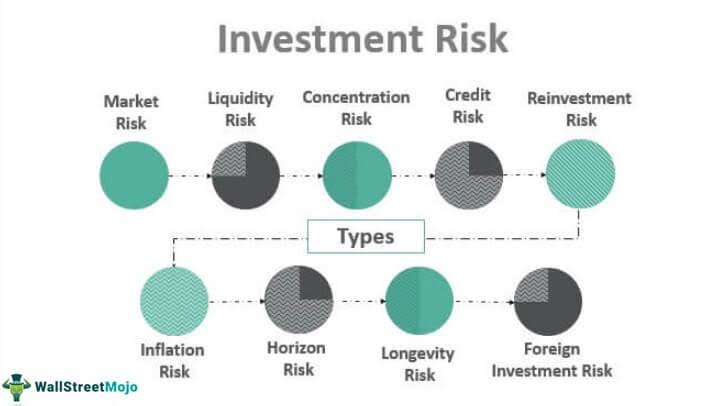
One of the biggest mistakes new investors can make is assuming that investing guarantees profit.
It does not.
Stock prices can decline. Bonds can lose value. Real estate markets can weaken. Businesses can fail. Economic conditions can change unexpectedly.
The SEC warns that promises of high returns with little or no risk are classic warning signs of potential investment fraud.
A responsible wealth investing strategy accepts that uncertainty exists.
Instead of trying to eliminate every risk, investors can focus on understanding and managing the risks they take.
Avoid Emotional Investing
Markets can move quickly, and financial news can make investors feel pressured to act.
When prices rise, investors may become afraid of missing out. When markets fall, they may panic and sell.
Both reactions can interfere with a long-term strategy.
A better approach is to establish an investment plan before emotions become intense. Knowing your goals, time horizon, asset allocation, and contribution strategy can make it easier to stay focused during periods of market volatility.
This does not mean investors should ignore important changes. It means decisions should be based on research and personal financial objectives rather than short-term fear or excitement.
Wealth Investing and High-Interest Debt
Before investing aggressively, it can make sense to look at expensive debt.
High-interest credit card debt, for example, can become costly because interest charges accumulate over time. Paying down expensive debt can sometimes provide a more predictable financial benefit than taking additional investment risk.
The SEC has specifically noted that paying off high-interest debt may be one of the strongest financial strategies available to some investors.
This is why wealth investing should be viewed as part of a complete financial plan rather than as an isolated activity.
Build an Emergency Fund First
An emergency fund can provide a financial cushion for unexpected expenses such as vehicle repairs, temporary income loss, or urgent household costs.
Without accessible savings, an investor may be forced to sell investments during an unfavorable market period simply to cover an emergency.
The appropriate emergency fund size depends on individual circumstances, including income stability, expenses, debt, and family responsibilities.
Once a reasonable cash reserve is established, investors may have greater flexibility to keep long-term investments invested during temporary market declines.
Tax-Advantaged Investing
Certain accounts may provide tax advantages depending on where you live and your eligibility.
In the United States, examples can include employer-sponsored retirement plans and individual retirement accounts. These accounts have different rules regarding contributions, withdrawals, taxes, and eligibility.
Because tax rules can change and individual circumstances vary, investors should review current official information or consult a qualified tax professional before making decisions based on tax benefits.
The objective is not simply to choose investments but also to consider the account structure in which those investments are held.
Common Wealth Investing Mistakes
Many investment mistakes are preventable.
One common mistake is investing without a clear goal. Another is putting too much money into a single asset because it has recently performed well.
Other mistakes include:
- Ignoring investment fees
- Trying to predict every market movement
- Taking more risk than you can tolerate
- Following social media investment hype
- Investing money that you need immediately
- Buying something you do not understand
- Chasing unrealistic returns
- Selling everything because of short-term market declines
Learning basic financial concepts can help investors make better decisions.
How to Create a Simple Wealth Investing Strategy
A practical approach can begin with a few steps.
Step 1: Define your goals.
Decide what you are trying to accomplish and when you expect to need the money.
Step 2: Review your finances.
Look at income, expenses, savings, debt, and available investment capital.
Step 3: Establish an emergency reserve.
Keep appropriate funds available for unexpected expenses.
Step 4: Understand your risk tolerance.
Consider how comfortable you are with temporary declines and how much loss you could realistically withstand.
Step 5: Choose diversified investments.
Consider a mix that matches your goals and risk tolerance.
Step 6: Invest consistently.
Regular contributions can help make investing a long-term habit.
Step 7: Review periodically.
Your financial situation and goals can change, so your investment strategy may need to change as well.
The Long-Term Mindset
Wealth investing is not a competition to see who can make the fastest profit.
The strongest foundation is usually built through discipline.
An investor who contributes consistently, keeps costs under control, maintains diversification, understands risk, and gives investments enough time may have a stronger foundation than someone who constantly jumps from one trend to another.
There will always be new investment opportunities, financial headlines, and market predictions. Some will work and others will not. A long-term investor does not need to predict every market movement to pursue financial growth.
The objective is to build a process that is sustainable.
Final Thoughts on Wealth Investing
Wealth investing is ultimately about making intentional decisions with your money today to pursue financial goals in the future.
There is no guaranteed shortcut to wealth, and every investment involves some degree of risk. However, investors can improve their decision-making by understanding diversification, compound growth, fees, time horizon, risk tolerance, and the importance of consistent investing.
Start with goals rather than trends. Understand what you are buying. Avoid promises of guaranteed high returns. Keep an eye on costs, diversify appropriately, and give your strategy enough time to work.
Most importantly, remember that investing is personal. The right strategy for one person may be completely inappropriate for another.
Building wealth is a long-term process, not a single transaction. With patience, education, discipline, and a well-considered plan, wealth investing can become an important part of pursuing long-term financial security.
Frequently Asked Questions About Wealth Investing
What is wealth investing?
Wealth investing is the practice of putting money into assets with the goal of increasing wealth over time. Common investment choices include stocks, bonds, mutual funds, ETFs, and real estate.
Is wealth investing risky?
Yes. Every investment carries some degree of risk. The amount of risk depends on the investment and the strategy being used. Diversification and appropriate asset allocation can help manage portfolio risk, but they cannot guarantee profits.
How much money do I need to start investing?
The amount required depends on the investment platform, account, and investment selected. Some investors begin with relatively small regular contributions and increase them over time.
What is the most important principle of wealth investing?
There is no single rule that works for everyone. However, setting clear goals, investing consistently, understanding risk, maintaining diversification, and controlling unnecessary costs are important principles for many long-term investors.
Can investing make me rich quickly?
There is no reliable or guaranteed method for becoming wealthy quickly through legitimate investing. Be particularly cautious about opportunities promising extremely high returns with little or no risk, as regulators identify such promises as potential fraud warning signs.
Should beginners diversify their investments?
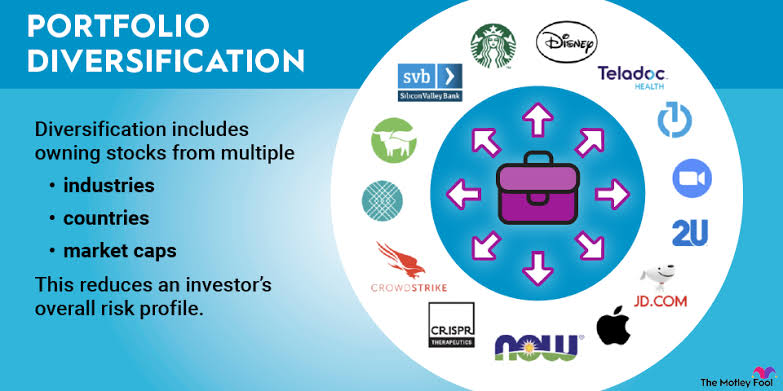
Diversification can help reduce the impact of poor performance from a single investment. It does not eliminate market risk, but spreading investments can make a portfolio less dependent on one asset or company.
Are investment fees important?
Yes. Even relatively small ongoing fees can have a significant effect on portfolio growth over long periods. Investors should understand and compare the fees associated with their accounts and investments.
Disclaimer: This article is for general educational purposes only and is not personalized financial, investment, tax, or legal advice. Investment decisions should be based on your individual circumstances, goals, and risk tolerance. Consider consulting an appropriately qualified professional before making significant financial decisions.